K3 Scout Exposes a Weak Link in Allied Defence Networks
A camera’s China-bound status traffic reveals how global supply chains can undermine the sovereign control allies expect from autonomous military systems.
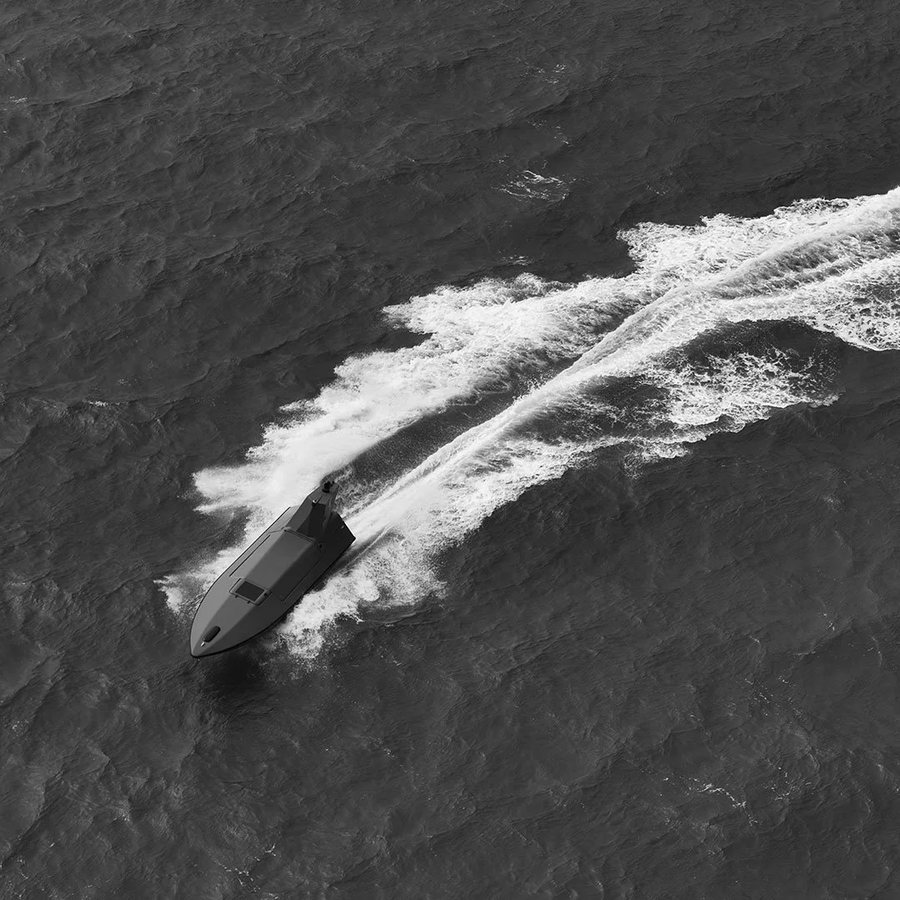
The K3 Scout incident is not principally about one camera or one IP address. It is about the route by which a seemingly ordinary commercial component can enter a strategic military network and create a connection that no government intended to depend on. In an era of rapidly scaled autonomous weapons, that route is becoming a geopolitical issue.
The Telegraph reported that cameras on British K3 Scout unmanned surface vessels sent heartbeat messages to an internet address in China. The Wall Street Journal and The Times also described the traffic. Britain’s Ministry of Defence says the behavior was discovered during a cyber-vulnerability assessment, after which the cameras were disconnected from the internet.
The ministry says its investigation found no evidence that sensitive data or systems were accessed, compromised or transmitted externally. Public reporting does not establish that reconnaissance video was sent to China. The confirmed problem is therefore a status channel, not a proven intelligence transfer.
That narrow finding still matters strategically. A heartbeat signal can reveal when a device is alive. More importantly, its existence shows that a subsystem retained an outbound route outside the intended mission network. Military autonomy depends on controlled data flows; any hidden or inherited external dependency weakens the assurance that the operator alone determines where information goes.
The K3 Scout sits inside a growing allied network. Britain acquired 20 craft through Project Beehive. The Royal Navy describes surveillance, force protection and precision strikes among their roles and has demonstrated airborne deployment. QinetiQ says it has worked to prepare K3 boats for potential operations near the Strait of Hormuz, one of the world’s most strategically sensitive maritime chokepoints.
The production route is also multinational. Kraken Technology Group says series manufacturing began in April at Rheinmetall’s Blohm+Voss yard in Hamburg. In May, Kraken announced an agreement with U.S. Special Operations Command worth up to $49 million. A British-designed platform, produced in Germany, using components sourced through a broader global supply chain, can therefore move quickly into American and allied procurement.
That structure creates the central paradox of modern defence industrial policy. Allies want resilient supply chains and sovereign control, but they also want the price, speed and innovation that come from commercial technology. Every off-the-shelf camera, processor or communications module may carry vendor relationships and firmware assumptions that originated far outside the strategic alliance.
Britain’s policy environment demonstrates the tension. The Ministry of Defence has acknowledged Chinese-manufactured goods in its supply chain and says additional security checks are used for sensitive surveillance equipment. The government has separately been removing certain Chinese-linked surveillance systems from sensitive sites. The K3 case suggests that component provenance must reach further down the supplier hierarchy than the name on the invoice.
The Telegraph also cited an unnamed source alleging that cameras could remain active after the craft were switched off and had operated near highly sensitive special-forces meetings. Those claims are not independently confirmed publicly. They increase concern, but they should not replace the established facts.
The next strategic contest is likely to be over assurance standards. As Europe and the United States expand unmanned fleets, governments will have to decide how much supplier disclosure, firmware inspection and network isolation they require before buying quickly. Too little control creates hidden dependencies; too much friction can slow the very innovation meant to deter adversaries.
K3 Scout is therefore a small warning about a much larger route. The future allied defence network will be built from thousands of connected components. Strategic autonomy will depend on ensuring that those components do not carry invisible paths back to networks outside the alliance.
54