
Trump Reimposes Cable News Ban at Xi State Dinner After Brief Lift
The White House blocked CNN and MS NOW from covering Xi Jinping's arrival at a state dinner, hours after the restriction was briefly lifted, prompting fresh accusations of media manipulation during a high-stakes diplomatic visit.
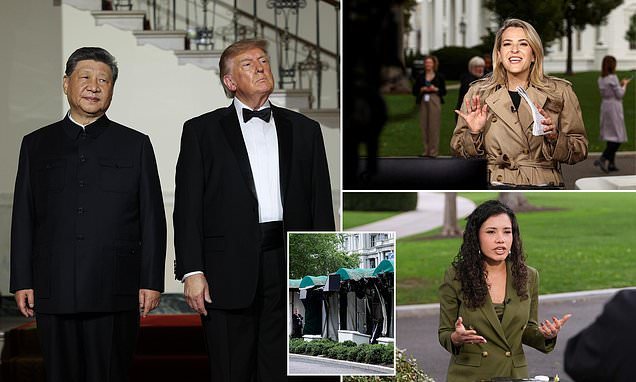
The White House barred CNN and MS NOW from covering Chinese President Xi Jinping's arrival at a state dinner, reimposing a cable news restriction that had been briefly lifted earlier the same day. The decision, confirmed by the networks, injected fresh controversy into a diplomatic visit already marked by logistical disputes and public friction between the US president and the press corps.
The ban was reinstated just hours after Donald Trump publicly criticised the two networks for what he described as insufficient coverage of earlier events during Xi's trip. According to the networks, their crews were excluded from the arrival ceremony at the White House, even as other outlets were permitted access. The move revived a long-running dispute over press access during high-profile state functions, with critics arguing that the selective exclusion of specific broadcasters amounts to political retaliation.
The state dinner itself was designed to showcase US-China relations at a moment of intense geopolitical competition. Xi's visit included a series of formal engagements, and the evening event was intended to project stability and ceremonial goodwill. Instead, the media restrictions overshadowed the diplomatic messaging, drawing attention to the president's volatile relationship with major news organisations. The White House has not offered a detailed public explanation for the reversal, leaving the networks and press freedom advocates to characterise it as an arbitrary decision driven by grievance rather than security or logistical necessity.
Earlier in the day, Trump had railed against the networks for failing to cover events during Xi's trip, suggesting that their exclusion from the dinner was a consequence of perceived unfair reporting. The pattern — briefly allowing access, then withdrawing it — created confusion among journalists covering the visit and raised questions about how press credentials are being managed for major international summits. The episode also underscored the broader erosion of traditional norms governing White House press access, as administrations increasingly use credentialing as a tool of pressure.
The evening featured other unusual moments. Guests were offered what was described as a first-ever tour of a ballroom construction site in the White House East Wing, a 90,000-square-foot golden ballroom expected to cost hundreds of millions of dollars. Trump framed the tour as a special treat for the visiting delegation, blending the ceremonial state dinner with a showcase of his personal construction project. The juxtaposition of a major diplomatic event with a tour of an unfinished building drew a mix of curiosity and criticism from observers.
Outside the White House, protesters drowned out the US national anthem as Trump and Xi prepared to enter, with the president appearing visibly frustrated by the disruption. The demonstration added to the charged atmosphere surrounding the visit, which was already being scrutinised for its optics and security arrangements. Meanwhile, separate reports noted that Trump's hands sparked health concerns during the evening, and that he appeared to nod off during a key state dinner speech — details that circulated widely on social media and in the tabloid press, further distracting from the diplomatic substance of the event.
For the White House, the media ban is likely to intensify scrutiny of how it manages coverage of Xi's visit. Press freedom groups have repeatedly warned that excluding specific outlets from pool coverage sets a precedent that can be applied to any administration. The networks affected have not indicated whether they will pursue formal complaints, but the incident is expected to feature in broader debates about transparency and the role of a free press in covering foreign policy. As the visit continues, the administration faces questions about whether the restriction will remain in place for subsequent events or was a one-off response to the president's frustration.
3