Press Reports Say Blood Pressure Benefits of Baxdrostat Last Two Years
A new daily pill called baxdrostat targets a common cause of high blood pressure, and reports suggest some patients kept benefits for up to two years after stopping treatment.
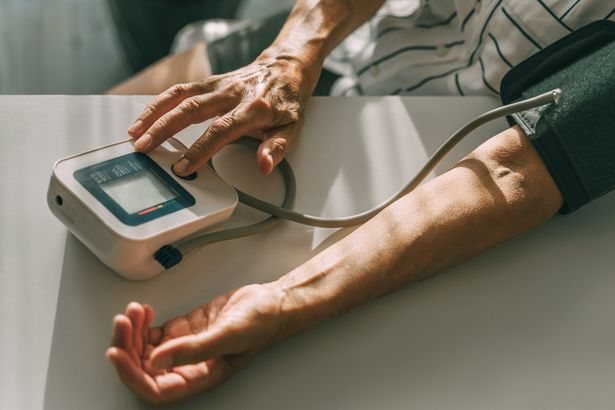
A new once-daily pill for high blood pressure, baxdrostat, is drawing attention after press reports suggested that some patients kept the benefits for as long as two years after they stopped taking it. Reporting in the Mirror and the Guardian in November described the drug as aimed at a common cause of hypertension, a condition that affects millions of people and raises the risk of heart attack and stroke.
According to the coverage, participants took the drug for six to twelve months, and their blood pressure improved during the course of treatment. Some patients later needed no blood pressure medication at all. Some reports go further, describing the possibility that the condition itself had been cured. Those claims are the most striking part of the story, but they rest on press descriptions rather than on a detailed account of the study.
The target of the drug is the feature that gives the reports their significance. Rather than simply lowering pressure while a patient takes a daily tablet, baxdrostat is described as acting on one of the common underlying causes of hypertension. That is why coverage has framed the potential benefit as reaching far beyond the people currently in treatment. Millions of people with the condition could, in principle, be affected if the findings hold up, which is the central reason the reports have gained traction.
The reporting does not set out the design of the trial, the number of people involved, or how long they were followed after treatment ended. Without those details, it is not possible to say whether the lasting effect amounts to a true cure or a sustained reduction in blood pressure over a limited period. Sample size, the presence or absence of a control group, and the length of follow-up are all unclear from the material available, and each of these would strongly shape how much weight the results can bear.
Long-term safety data and the drug's regulatory approval status were also not reported. That matters because hypertension is usually a condition managed over decades, and any treatment that a patient might take for a year or more needs a clear safety record before its benefits can be judged in full. The absence of regulatory information means readers cannot yet tell whether the drug is available to patients, is still under review, or remains at an experimental stage.
Hypertension is one of the most widespread long-term health conditions in Britain and elsewhere, and most patients depend on daily medication that must be taken indefinitely. A treatment that acts on an underlying cause and allows patients to come off medication would, if confirmed, represent a significant change in how the condition is managed. Until the full trial results and regulatory position are available, however, the reported benefits should be treated as promising early coverage rather than settled medical fact.
Source: mirror.co.uk
2