
Netanyahu Tells UN Gaza War Is 'Opposite of Genocide' as Delegates Walk Out
Israeli Prime Minister Benjamin Netanyahu used his UN General Assembly address to reject genocide accusations over Gaza, attack Western governments and New York's mayor, and frame the war as a fight for Israel's survival, prompting a walkout by dozens of delegates.
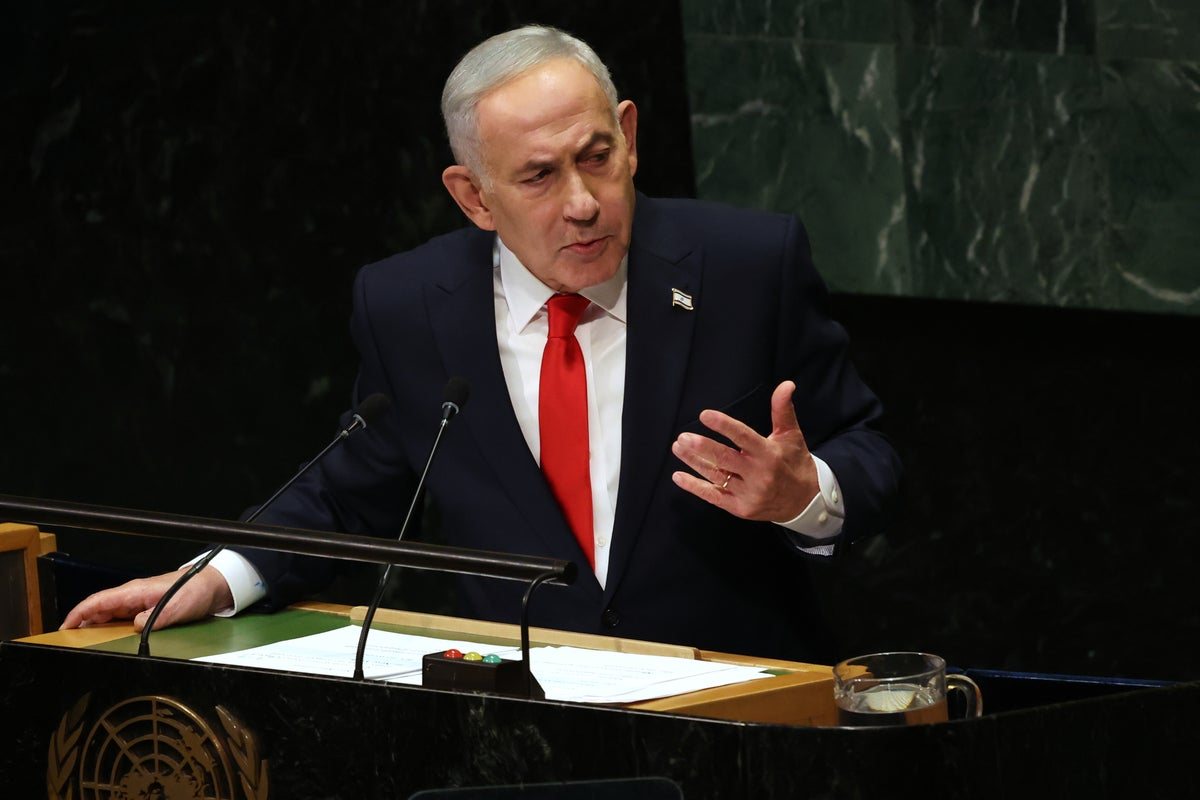
Israeli Prime Minister Benjamin Netanyahu told the United Nations General Assembly that Israel's war in Gaza is the «opposite of genocide», using a defiant address to reject international criticism of the humanitarian crisis and to cast himself as the defender of Israel against what he described as a global anti-Jewish conspiracy.
The speech, delivered as planned protests erupted on the streets of New York City, prompted dozens of delegates to walk out of the chamber. Netanyahu labelled those who left «moral cowards», according to accounts of the session, and made clear he would not be silenced by his critics abroad.
Much of his anger was directed at Western European governments, which he condemned for their positions on the conflict, and at regional leaders including Turkey's Recep Tayyip Erdoğan. He also accused Qatar and Turkey of spreading falsehoods about Israel's conduct of the war, widening a dispute with two states that have played roles in mediation efforts.
A striking feature of the address was its focus on New York City's mayor, Zohran Mamdani, whom Netanyahu called «antisemitic». He claimed that many Jews no longer feel safe in New York since Mamdani took office, turning a domestic American political figure into a central target of a speech otherwise devoted to international affairs. The Israeli leader also took aim at the international media and at the left-wing commentator Hasan Piker.
The tone and content suggested a leader addressing two audiences at once. With Israel facing international isolation over the war and Netanyahu fighting for political survival in upcoming elections at home, the UN podium served as a stage for a stump speech aimed at igniting his right-wing base. The attacks on foreign critics, international institutions and the press fit that domestic purpose as much as they reflected diplomatic strategy.
Netanyahu also defended his decision to attack Iran, describing it as «one of the easiest» he has ever made. The remark underscored his broader argument that Israel's military actions, including the campaign in Gaza and strikes against regional adversaries, are acts of self-defence rather than aggression.
The walkout by delegates gave an immediate visual answer to his claims. It signalled that many UN member states remain unconvinced by Israel's account of the war and are willing to register their dissent in the chamber itself. The protests outside the building added to the pressure, underlining how the conflict has mobilised public opinion in the United States and beyond.
The address is likely to deepen Israel's diplomatic isolation rather than ease it. By attacking Western European governments, Turkey and Qatar, and by singling out an American mayor, Netanyahu narrowed the space for the quiet diplomacy that has often accompanied UN gatherings. His language also complicated the position of allies who have continued to support Israel while urging restraint over civilian casualties in Gaza.
For the Palestinian leadership, the speech offered little sign of movement. Mahmoud Abbas, the Palestinian president, has been pressing for greater international recognition and for a halt to the war, and the gap between the two positions appeared as wide as ever after Netanyahu's remarks.
The coming weeks will test whether the confrontational approach strengthens Netanyahu at home or accelerates the international isolation he sought to defy. Much will depend on how Washington and European capitals respond, and on whether the walkout remains a symbolic protest or becomes part of a broader diplomatic shift over the war in Gaza.
5