
Ryanair Flight Lands at Manchester with Fuel Below Final Reserve
A Ryanair flight carrying 171 passengers declared an urgent Mayday alert before landing at Manchester Airport with fuel significantly below the final reserve, prompting an investigation into the serious incident.
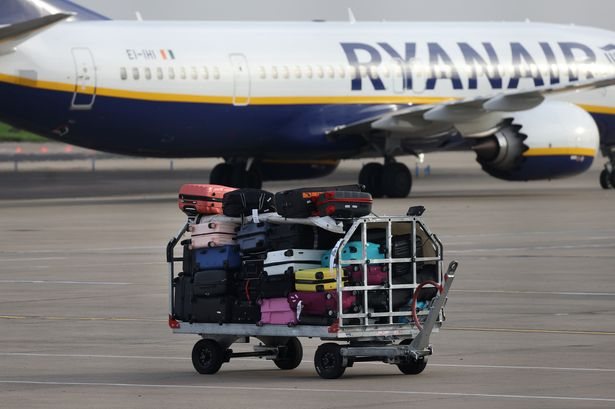
A Ryanair flight carrying 171 passengers declared an urgent Mayday alert before landing at Manchester Airport with fuel significantly below the final reserve, in what aviation authorities are treating as a serious incident. The aircraft touched down safely, but the low-fuel emergency has raised questions about the circumstances that led to the declaration.
The Mayday call, the highest priority distress signal in aviation, was issued as the flight approached Manchester. According to initial reports, the aircraft landed with a fuel quantity significantly below the final reserve fuel — the minimum amount required by regulations to divert to an alternative airport if necessary. The final reserve is a critical safety buffer, and landing below it is classified as a serious incident under international aviation rules.
Ryanair has not yet commented publicly on the specifics of the incident, but the airline is expected to cooperate fully with investigators. The UK Air Accidents Investigation Branch (AAIB) is likely to examine factors such as weather conditions, air traffic control instructions, and the flight crew's decision-making. The incident occurred during a period of adverse weather affecting parts of the UK, which may have contributed to delays or diversions.
The safety of the 171 passengers and crew was not compromised, as the aircraft landed normally. However, the declaration of a Mayday due to low fuel is a rare and serious event. Aviation experts note that fuel emergencies are among the most critical situations in commercial aviation, requiring immediate priority from air traffic control and often triggering a full emergency response on the ground.
This is not the first time Ryanair has been involved in a fuel-related incident. In 2023, a Ryanair flight from Porto to Dublin was forced to turn back after the pilot sent a hijack alert, which the airline later described as a false security incident. While that event was unrelated to fuel, it highlights the range of emergency scenarios that flight crews must manage.
The Manchester incident will likely lead to a detailed investigation focusing on fuel planning, weather avoidance, and communication between the flight crew and air traffic control. The final reserve fuel is calculated to allow an aircraft to fly to an alternate airport and hold for 30 minutes at 1,500 feet. Landing below this threshold indicates that the flight was unable to adhere to standard fuel protocols, which could be due to unforeseen circumstances such as stronger-than-forecast headwinds, air traffic delays, or a diversion that was not initially planned.
Passengers on board have not reported any injuries, and the aircraft taxied to the gate normally after landing. Ryanair is known for its strict fuel policies, and the airline has previously stated that it does not compromise on safety. The incident will now be subject to regulatory scrutiny to determine whether any operational or procedural changes are needed.
The AAIB typically publishes a report within several months of a serious incident, detailing the sequence of events and any safety recommendations. In the meantime, the focus remains on understanding how a commercial flight with 171 passengers came to land with fuel below the mandatory reserve. The outcome of the investigation will be closely watched by the aviation industry, as fuel management is a fundamental aspect of flight safety.
2