Poland Orders Border Evacuations After Russian Strike on Ukraine
Polish Prime Minister Donald Tusk says border crossings were evacuated after a fresh Russian attack on Ukraine, as a drone crash near Solca forced schools to close and air-raid alerts reached thousands of residents.
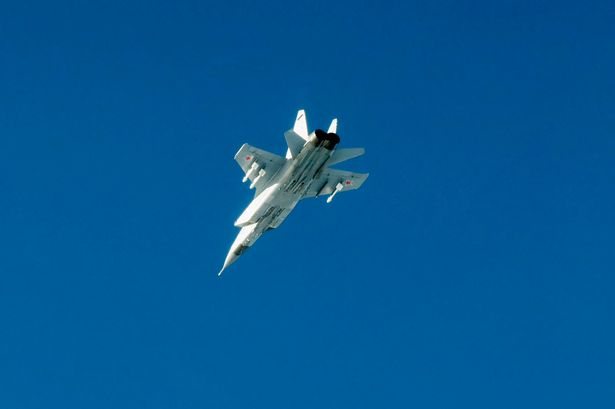
Poland was forced to evacuate border crossings and issue emergency alerts to thousands of residents after a fresh Russian attack on Ukraine, Prime Minister Donald Tusk said at a press conference. The measures mark one of the most direct disruptions to Polish territory since the start of the full-scale war next door, and they underline how quickly the conflict can spill across the frontier.
Tusk told reporters that the evacuations were ordered moments before he spoke, describing the move as a direct response to the latest Russian strike. The alert system was activated for communities close to the border, where families received warnings on their phones. The precise number of people affected has not been disclosed, but officials described the operation as urgent and wide-ranging.
Separately, a Russian drone crashed near the town of Solca, roughly 15 miles from the Ukrainian border. The incident prompted nearby schools to cancel classes, adding to the sense of disruption in a region that has grown accustomed to living beside an active war. No casualties from the drone crash have been reported, and it was not immediately clear whether the aircraft was part of the same attack wave that triggered the border evacuations.
The developments come as Russian forces continue to strike targets across Ukraine. In the north-eastern Kharkiv region, a Russian strike on a farm killed at least seven people and injured a further 12, according to reports from the ground. That attack formed part of a broader pattern of bombardment that has repeatedly sent debris and drones into neighbouring Nato territory, testing the alliance's air-defence posture and its political resolve.
Poland has been one of Ukraine's most vocal supporters since Russia's full-scale invasion, serving as a key transit route for Western weapons and humanitarian aid. Its border crossings with Ukraine are critical arteries for both military supplies and civilian traffic, which makes any evacuation order there a significant operational and symbolic event. The decision to clear crossings suggests authorities judged the risk to civilians and infrastructure to be immediate rather than theoretical.
The emergency alerts sent to thousands of residents reflect a wider shift in how frontline Nato states manage the war's spillover. Air-raid warnings, drone sightings and the temporary closure of schools and roads have become part of daily life in parts of eastern Poland, even as the country remains formally outside the conflict. Each new incursion raises questions about the threshold at which such incidents move from isolated disruptions to a sustained security threat.
Tusk's remarks at the press conference did not specify how long the evacuations would remain in place or whether additional crossings would be affected. The Polish government has not indicated that it plans to alter its support for Kyiv, and there was no suggestion that the alert represented a change in Nato's overall stance. Instead, the focus remained on the immediate safety of border communities and the practical consequences of a war that continues to reach beyond Ukraine's frontiers.
For residents near the border, the combination of evacuation orders, school closures and phone alerts is a reminder that geography alone offers limited protection. The drone crash near Solca, the strike on the Kharkiv farm and the clearing of border crossings are separate incidents, but they point in the same direction: the conflict's effects are being felt with growing intensity on Nato's eastern edge, and Poland is again at the centre of that pressure.
4