
AI Is Moving Power From Websites to Answer Engines
The shift from links to synthesized answers changes who controls discovery, monetization and data. Stack Overflow, stock-image companies and freelance platforms are early signals of a broader re-routing of the digital economy.
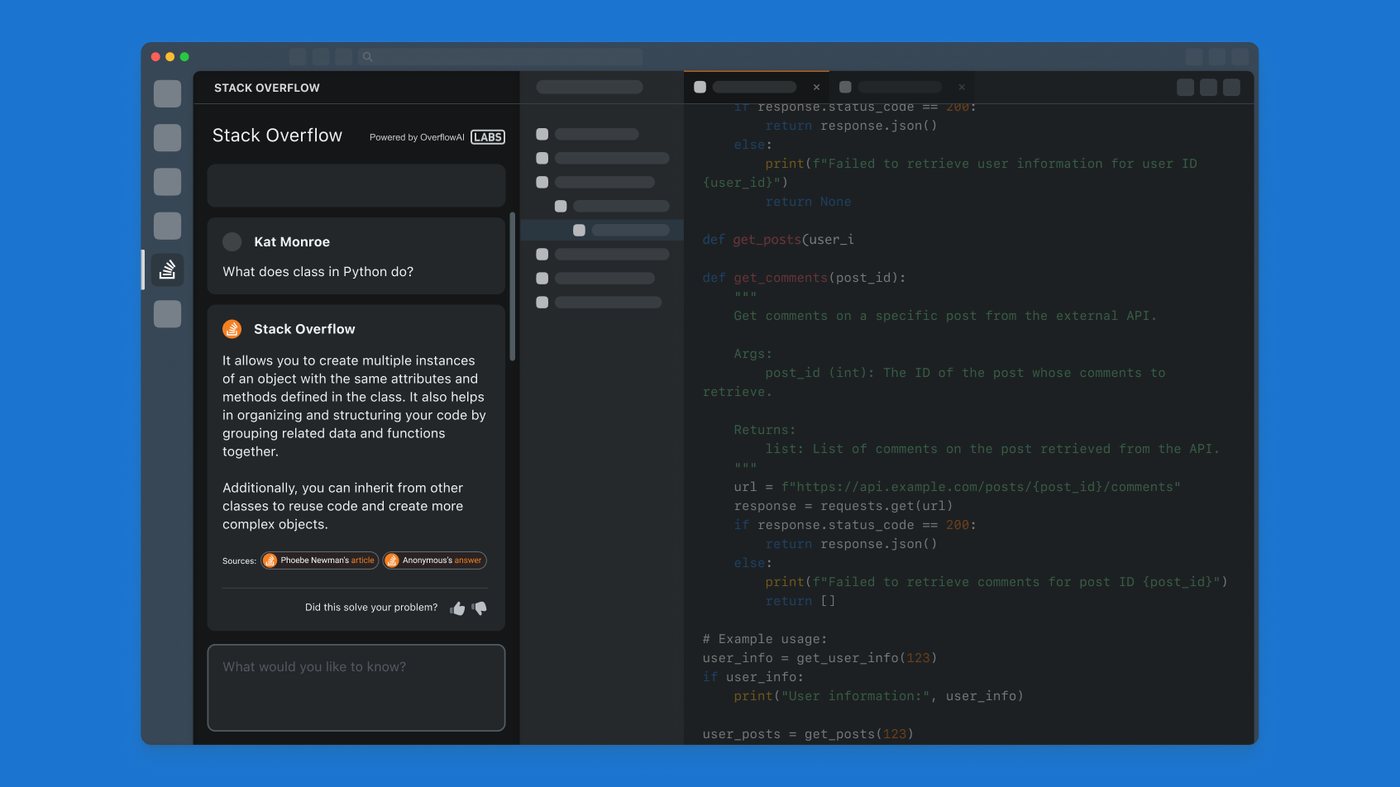
The internet’s strategic map is being redrawn around a new chokepoint: the answer interface. For years, search engines controlled discovery but still sent users outward to websites. Generative AI can keep the user inside the same system from question to answer and, increasingly, from answer to action. That moves power away from the destination site and toward the layer that interprets the web.
Stack Overflow is an early indicator. The viral claim that it lost 98.5% of traffic is imprecise, but new questions have fallen by nearly 99% from historical peak levels. More than 6,700 daily questions in 2014 became about 42 in May 2026. Research finds that ChatGPT accelerated the decline in public contributions.
The strategic consequence is not merely fewer forum posts. It is less new public information being created at the edge of the network. Private AI exchanges solve problems without necessarily adding pages that can be indexed, debated or independently archived. The center gains utility while the open periphery produces less new material.
Meanwhile, the audience is moving. Similarweb estimates generative AI platforms averaged 9.5 billion monthly web visits between June 2025 and May 2026. Cloudflare reports that AI crawlers consume content at a scale poorly matched by referrals back to publishers. This is a new route for information: source to crawler to model to user, with the source potentially bypassed at the moment of value capture.
The same routing shift appears in labor and media markets. A buyer can generate an image instead of entering a stock library, or test a model instead of posting a low-complexity freelance job. Shutterstock’s second-quarter 2026 revenue fell 17%. Fiverr’s active buyers dropped 17.8% in the first quarter, and its share price in late July was roughly 96.6% below its 2021 closing peak.
Yet the route does not end with automation. Upwork’s AI-related work grew more than 40%, and demand for AI skills rose 109%. The marketplace remains useful when the transaction involves implementation, accountability and specialist judgment rather than a generic output.
The policy and competitive question is who will control the next layer of distribution. Google argues its AI search still sends valuable traffic. ChatGPT referrals rose sharply when links were made more visible. That shows the flow is partly governed by product choices, not just model capability.
The open web is becoming infrastructure beneath a smaller number of answer and agent systems. If those systems retain most of the user relationship, they also gain leverage over attribution, pricing and access to audiences. The next contest will therefore be less about who owns the most pages and more about who controls the routes between knowledge, action and payment.
74