
Bank of England Deputy Signals Rate Rise 'Increasingly Likely' If Energy Prices Stay High
A senior Bank of England official has warned that an interest rate increase is becoming more probable if energy prices remain elevated, as inflation climbed to a five-month high of 3.1% and is forecast to reach around 3.7% by the fourth quarter.
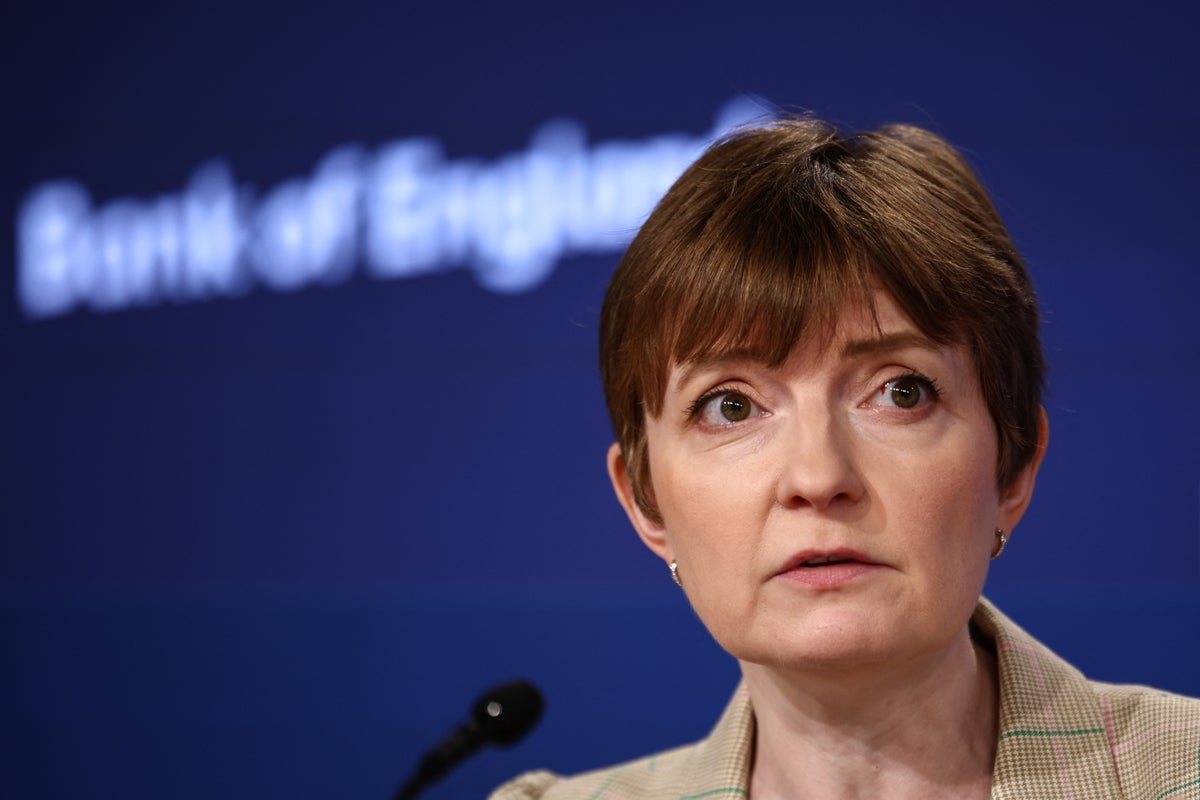
A deputy at the Bank of England has said an increase in interest rates is «increasingly likely» if energy prices remain high, in a warning that underscores the growing tension between stubborn inflation and a fragile economic outlook. The intervention comes as inflation has already risen to a five-month high of 3.1%, moving further away from the central bank's 2% target.
The Bank has predicted that inflation will increase to around 3.7% in the fourth quarter of this year, a forecast that suggests price pressures are far from contained. The deputy's remarks point to a policy dilemma: raising rates to curb inflation risks further straining households and businesses, while holding steady could allow price growth to become entrenched.
Energy costs are central to the warning. If they stay elevated, the deputy indicated that a rate rise becomes more probable, because higher energy prices feed directly into household bills and transport costs, and indirectly into the price of goods and services across the economy. The Bank's 2% target is the anchor for its decisions, and the current trajectory is moving in the wrong direction.
The comments carry particular weight because they come from a senior figure at the Bank, signalling that the Monetary Policy Committee may be leaning towards tightening if the data does not improve. Financial markets and businesses will read the remarks as a signal that borrowing costs could rise again, affecting mortgages, business loans and consumer credit.
For households, the prospect of higher rates adds to the pressure from energy bills that have already stretched budgets. For companies, particularly those in energy-intensive sectors, the combination of elevated input costs and more expensive credit could weigh on investment and hiring. The deputy's warning therefore sits at the intersection of monetary policy and the real economy.
The inflation reading of 3.1% is significant because it marks a five-month high and shows that the decline towards the 2% target has stalled. The Bank's own projection of around 3.7% in the fourth quarter implies that inflation could rise further before any sustained fall. That outlook makes the case for caution on rate cuts and strengthens the argument for a rise if energy prices do not ease.
The deputy's language — «increasingly likely» — is deliberately conditional. It ties the policy decision to the path of energy prices rather than committing to a specific move. That gives the Bank room to respond to incoming data, but it also leaves households and markets guessing about the timing and scale of any change.
Energy prices are influenced by global supply and demand, geopolitical tensions and weather patterns, factors largely beyond the Bank's control. Yet their domestic impact is direct: they shape the inflation rate the Bank is mandated to control. The deputy's warning reflects that reality, acknowledging that external price shocks can force the Bank's hand even when domestic demand is weak.
The broader economic context is one of slow growth and lingering uncertainty. Raising rates in such an environment is a difficult trade-off, but the Bank's primary remit is price stability. If inflation is forecast to rise to 3.7%, the case for holding rates steady weakens, and the deputy's comments suggest that the balance is tipping towards action.
What happens next will depend on the data. If energy prices fall, the pressure for a rate rise may ease. If they remain high, the deputy's warning may prove to be a prelude to a tightening move. Either way, the remarks have put the relationship between energy costs and interest rates back at the centre of the economic debate.
4