Trump Weighs Ban on Diesel Exports as Energy Secretary Warns of Backfire
The US president is considering restricting diesel exports to lower domestic fuel costs, but his own energy secretary cautions the move could backfire. If implemented, it would be the first restriction on American energy exports in over a decade.
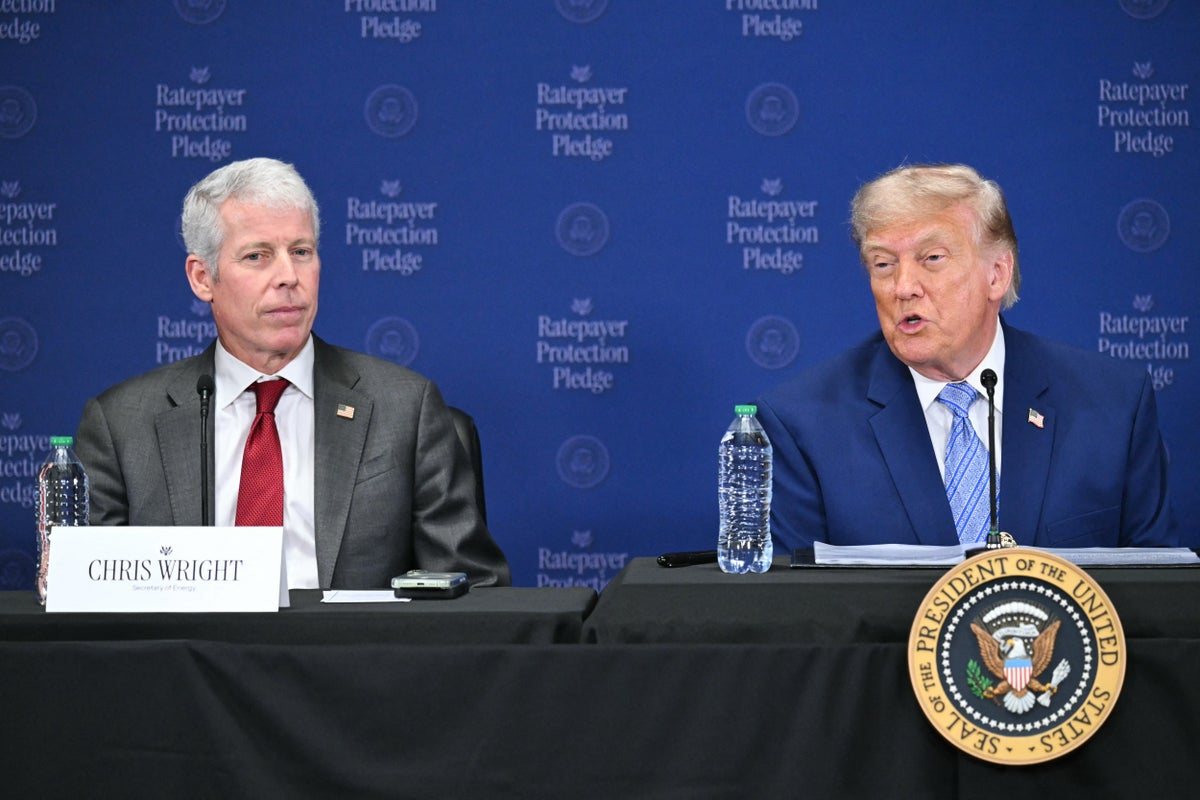
President Donald Trump is prepared to ban diesel gas exports in an effort to bring down fuel costs for American consumers, a move that would mark the first restriction on US energy exports in more than a decade. The proposal, however, has drawn a cautionary note from his own energy secretary, who has warned that such a restriction could backfire and ultimately harm the very consumers it is meant to help.
The potential ban would target diesel exports specifically, a significant category of American energy trade. The United States has become a major exporter of refined petroleum products in recent years, and diesel is a key component of that trade. Restricting those flows would represent a sharp reversal from the long-standing policy of open energy markets that has defined US trade in recent administrations.
The energy secretary's warning underscores a central tension in the plan: while limiting exports might increase domestic supply and theoretically lower prices at the pump, it could also disrupt global markets, provoke retaliatory measures from trading partners, and damage the US energy industry's competitiveness. The secretary's concern suggests that the administration is not united on the approach, and that internal debate continues over the risks and benefits.
If implemented, the ban would be the first restriction on American energy exports in over a decade. The last significant limits were lifted in 2015 when Congress ended a longstanding ban on crude oil exports. Since then, the US has emerged as a leading supplier to global markets, and any new restriction would signal a major shift in energy policy with wide-ranging implications for international trade, domestic fuel prices, and the broader economy.
The proposal comes amid ongoing pressure on the White House to address cost-of-living concerns, particularly energy prices that affect households and businesses. Diesel is especially important because it powers much of the freight and logistics sector, meaning its price feeds into the cost of goods across the economy. Lowering diesel costs could provide relief to consumers and industry alike, but the secretary's warning suggests the cure might be worse than the disease.
Energy analysts have long noted that export restrictions can have unintended consequences. By reducing the available market for US refiners, such a move could lead to lower production, job losses in the energy sector, and a decline in investment. It could also strain relations with allies who rely on American fuel supplies, potentially leading them to seek alternatives from other producers.
The timing of the proposal is notable given the global energy landscape, which remains volatile due to geopolitical tensions and shifting demand patterns. The US has positioned itself as a reliable energy partner, and a sudden restriction could undermine that reputation. The energy secretary's public caution may be an attempt to signal to markets and allies that the administration is weighing the consequences carefully.
It remains unclear whether the ban will be implemented or what form it might take. The president's readiness to act, as reported, suggests the option is actively on the table. But the internal disagreement highlighted by the energy secretary's comments indicates that the decision is not yet final and could be subject to further debate within the administration.
For now, the proposal has drawn attention to the delicate balance between domestic economic priorities and international energy trade. The outcome will be closely watched by industry stakeholders, policymakers, and consumers alike, as it could set a precedent for future interventions in energy markets. The White House has not announced a timeline for a decision.
13