
UK Borrowing Hits £18.3bn in August as Debt Costs Squeeze Budget
Public sector net borrowing reached £18.3 billion in August, the second-highest on record for the month, as rising debt interest costs and a deteriorating fiscal outlook intensify pressure on Chancellor John Healey ahead of the Budget.
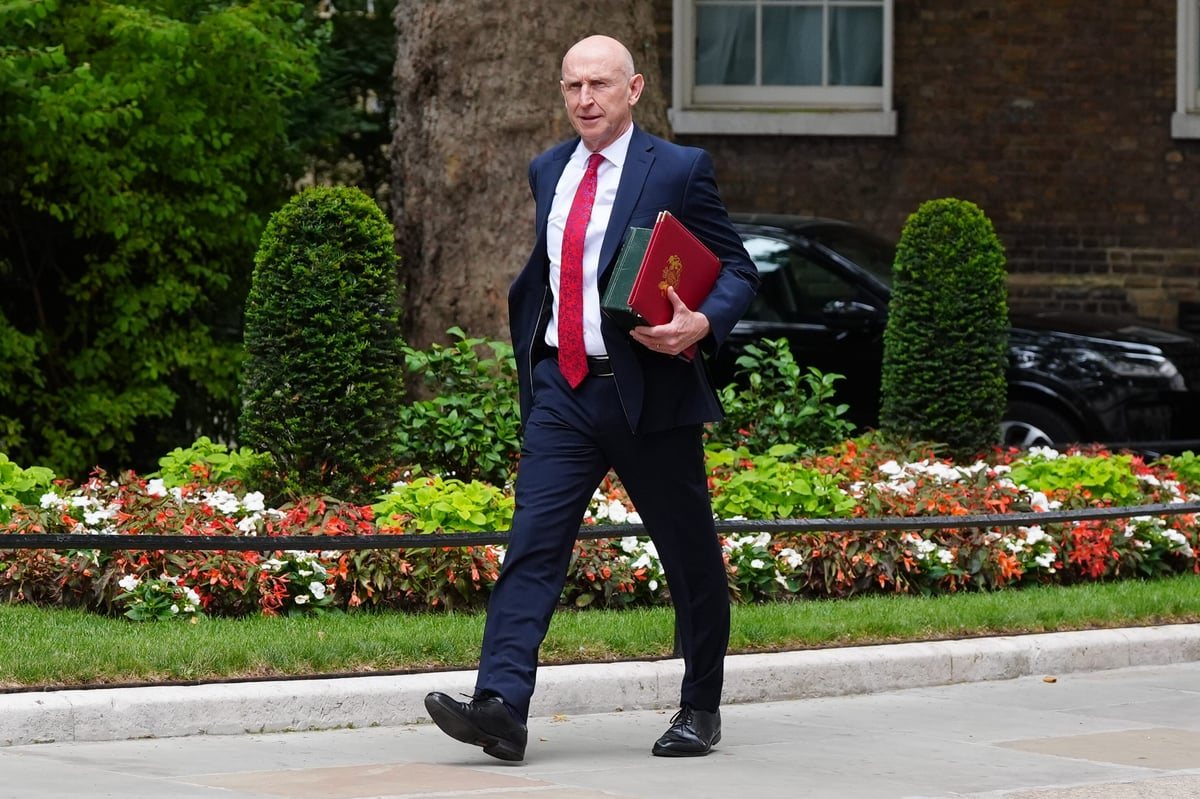
UK government borrowing rose to £18.3 billion in August, exceeding City forecasts and marking the second-highest August figure on record, according to public finances data that has sharpened the debate over tax and spending ahead of the Budget. The Office for National Statistics reported that public sector net borrowing was nearly a fifth higher than in the same month last year, driven largely by the rising cost of servicing the national debt.
The figure has been described as a «dismal picture» by analysts, who warn that the Chancellor, John Healey, faces a fiscal straightjacket as he prepares to set out his Budget. Borrowing for the month came in above expectations, leaving the government with less headroom against its own fiscal rules and fuelling speculation that tax rises or spending restraint will be necessary to keep the public finances on a sustainable path.
Chief Secretary to the Treasury Emma Reynolds said the government remains committed to meeting its fiscal rules with «a buffer against uncertainty». Responding to the data, she said: «Britain has huge potential to deliver good growth in every postcode, creating jobs, raising living standards and investing in the services people rely on. But we can only deliver that growth with fiscal discipline.» Reynolds added that with debt interest costing billions of pounds that could otherwise be spent on improving lives, the government must always know where the money is coming from to pay for public services.
Analysts said the latest figures support the view that a small or medium-sized tax and spending Budget is more likely than a big one, and that many of the Prime Minister's policy ambitions will be reined in or delayed to avoid large tax hikes or a backlash in the markets. Borrowing is now projected at around £125 billion, or 3.9 per cent of GDP, in 2026/27, above the Office for Budget Responsibility's forecast of £115 billion. The Chancellor may need to raise between £9 billion and £14 billion in the Budget to restore his existing fiscal headroom.
The August borrowing total was nearly a fifth more than the same month last year, reflecting both higher debt interest payments and weaker underlying receipts. The second-highest August on record underscores the scale of the challenge facing the Treasury as it tries to balance commitments to public services with the need to reassure bond markets.
The data has intensified political pressure on the Chancellor, with opposition figures and some economists warning that without decisive action, the government risks missing its fiscal targets. The cost of servicing the national debt has become one of the fastest-growing areas of public spending, crowding out resources that could otherwise be directed towards investment or frontline services.
Attention now turns to the Budget, where the Chancellor is expected to set out measures to bring borrowing under control. The options include tax rises, spending restraint, or a combination of both, though each carries political and economic risks. With growth forecasts uncertain and debt interest costs elevated, the room for manoeuvre is limited.
The fiscal backdrop is likely to shape the government's broader economic strategy in the coming months. Analysts will be watching for signals on whether the Chancellor prioritises consolidation or seeks to protect investment in growth-enhancing projects. For now, the August figures have reinforced the message that the public finances remain under significant strain.
3