
Labour MPs Push for Wealth Taxes at Budget as Treasury Fears Revenue Loss
Pressure is mounting on the Chancellor to introduce wealth taxes in the Budget, but critics warn the move could backfire by driving wealthy individuals abroad and reducing Treasury revenues.
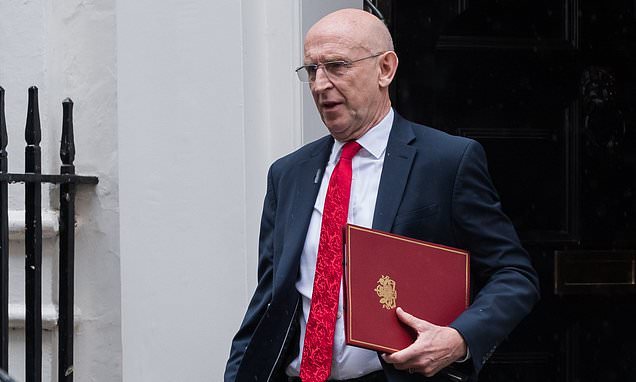
Pressure is mounting on the Chancellor to introduce wealth taxes in the upcoming Budget, with Labour MPs increasingly vocal in their demands. The calls come despite warnings from critics that such measures could backfire by choking off Treasury revenues and accelerating the departure of wealthy individuals from the country.
The debate has intensified as the government seeks ways to fund public services and address fiscal challenges. Supporters argue that wealth taxes would ensure the richest contribute their fair share, while opponents contend that they would drive capital and high earners abroad, ultimately reducing the tax base and harming the economy.
Concerns have been raised that wealthy individuals are already leaving the UK, a trend that could worsen if new taxes are introduced. Treasury officials are reportedly alarmed at the potential for wealth taxes to reduce rather than increase revenues, as has been seen in other countries where similar measures were implemented.
The Chancellor is said to be weighing the options carefully, balancing the need for revenue against the risk of capital flight. The Budget is expected to be a pivotal moment for the government's economic strategy, with the wealth tax debate at its centre.
Labour MPs have been vocal in their support for wealth taxes, arguing that the current tax system is unfair and that the wealthy should pay more. However, critics within the party and beyond warn that the policy could be counterproductive, especially if it leads to a decline in investment and entrepreneurship.
Economists have pointed out that wealth taxes are difficult to implement effectively and often fail to raise the expected revenues. They argue that the wealthy have the means to avoid such taxes by moving assets or relocating, which would leave a hole in the public finances.
The government is also facing pressure from business groups, which warn that wealth taxes would damage the UK's competitiveness and deter investment. They argue that the focus should be on growth and creating a stable environment for businesses to thrive.
As the Budget approaches, the debate is likely to intensify. The outcome will have significant implications for the government's fiscal plans and for the wider economy, with both supporters and opponents of wealth taxes watching closely.
The Chancellor is expected to announce the Budget in the coming weeks, and the decision on wealth taxes will be one of the most closely watched elements. The government must navigate a narrow path between raising revenue and maintaining economic stability, all while managing internal party pressures.
In the end, the question of whether to introduce wealth taxes is not just about economics but also about politics and fairness. The government's choice will send a clear signal about its priorities and could shape the political landscape for years to come.
4