Bank of England expected to raise interest rates to 4% to curb inflation
The Bank of England is widely expected to raise its base rate to 4%, its first increase in about three years, as UK inflation climbs again and markets price in a near-certain move.
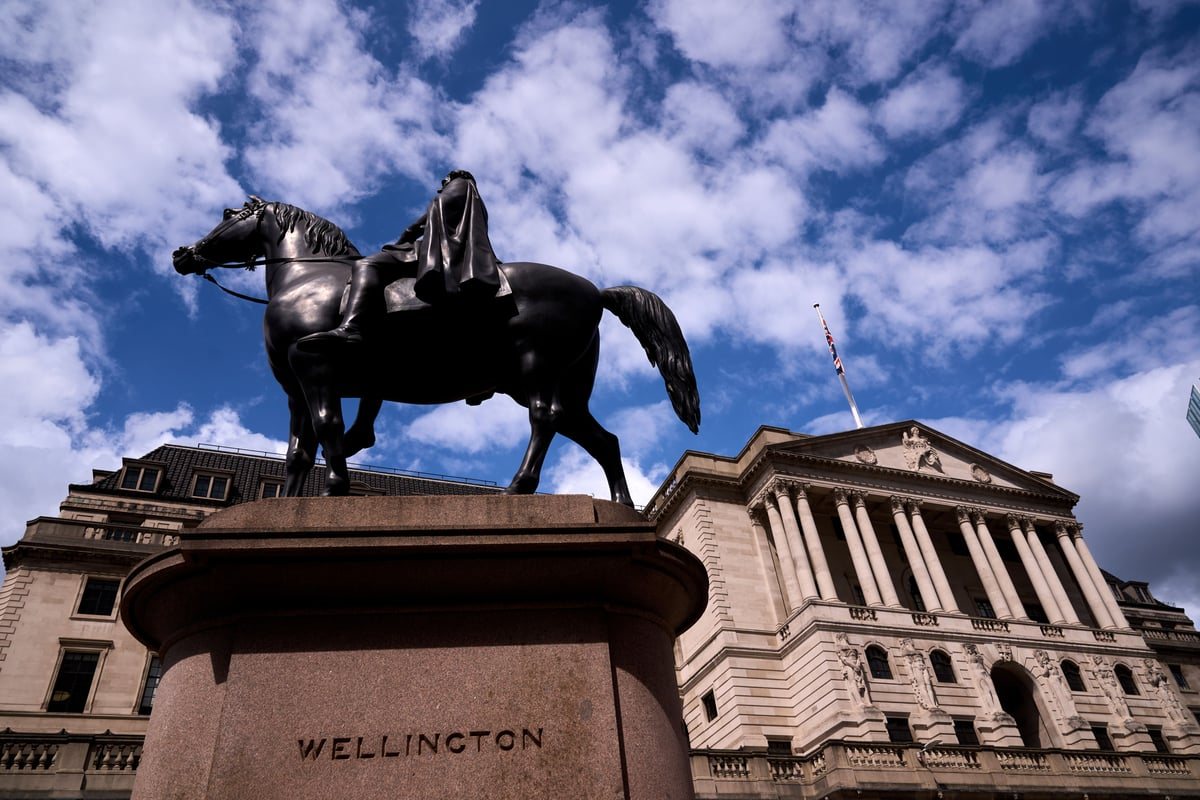
The Bank of England is widely expected to raise interest rates to 4% when it announces its decision, marking its first increase in about three years. The move is aimed at tackling rising inflation in the United Kingdom, which has picked up again after a period of easing. The decision is due on 5 November 2026.
Financial markets had already priced in the move heavily. Money markets put the likelihood of a UK rate hike at about 98%, leaving little doubt among investors about the direction of policy. The prospect of a higher base rate has been reported across several outlets, including the Standard, the Guardian's live blog, the Mirror and the Express, which have all followed the lead-up to the announcement closely.
Recent movements in global energy markets have shaped the backdrop to the decision. Oil prices fell during the week, which eases some of the pressure on the Bank as it weighs how far inflation pressures are likely to persist. Energy costs have been a central concern for policymakers, and the easing of oil prices has reduced the immediate strain on the price outlook, though it has not removed the underlying inflationary risk.
Diplomatic developments abroad have also been a factor in market sentiment. Peace talks in the Middle East have so far been described as rhetoric only, with no concrete deal in place. Investors have been pricing out a geopolitical risk premium that had built up in markets. Fears had also circulated that US strikes following the midterm elections had already been factored into expectations, meaning that much of the potential shock was anticipated before it arrived.
A further source of uncertainty is the direction of US foreign policy. Concern has been raised that Trump administration foreign policy could become more active and less restrained, which would add to volatility in global markets and complicate the outlook for the British economy. Such external pressures sit alongside the domestic task facing the Bank, which must judge whether inflation is becoming entrenched.
For households, the rate rise carries mixed consequences. Borrowers and mortgage holders are likely to face higher repayments as rates climb, placing added strain on family budgets already tested by the cost of living. Savers, by contrast, may see some benefit from higher returns on deposits, a general effect of tighter monetary policy that offers a partial offset for those holding cash.
The decision therefore sits at the intersection of domestic price pressures and an unsettled international environment. The Bank's move to 4% will be watched closely for its effect on inflation, on the cost of borrowing across the economy, and on the signal it sends about how policymakers intend to respond to price rises in the months ahead.
Source: standard.co.uk
8