
UK Mortgage Rates Hit Three-Year High as Further Increases Loom
The average five-year fixed mortgage rate in the UK has climbed above 5.90 per cent, reaching its highest level in three years, with analysts warning of further increases if the Bank of England raises interest rates again.
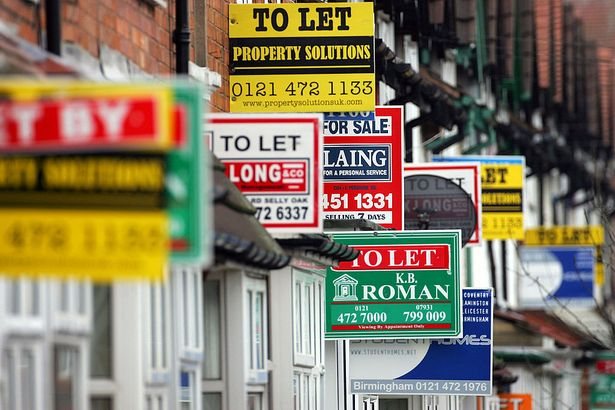
Mortgage rates in the United Kingdom have reached their highest level in three years, with the average five-year fixed-rate deal now exceeding 5.90 per cent, according to financial data provider Moneyfacts. The milestone comes before an anticipated increase in the Bank of England's base rate, a move that analysts expect within the coming months and one that would place further upward pressure on borrowing costs for homeowners and prospective buyers.
The rise in fixed-rate mortgage pricing reflects broader shifts in the financial markets, where lenders are pricing in the likelihood of tighter monetary policy from the central bank. When the Bank of England raises its base rate, the cost of wholesale funding for lenders typically increases, and those costs are passed on to consumers through higher mortgage rates. The current trajectory suggests that the era of ultra-low borrowing costs remains firmly in the past, with significant implications for household budgets across the country.
For existing homeowners coming to the end of fixed-rate deals agreed during periods of historically low interest rates, the remortgage process now presents a substantial financial shock. A borrower moving from a rate below 2 per cent to one above 5.90 per cent could see monthly repayments rise by hundreds of pounds, depending on the size of the loan. This squeeze on disposable income is likely to affect consumer spending patterns and broader economic activity, as households devote a larger share of their earnings to servicing mortgage debt.
First-time buyers face an even more challenging environment. Higher mortgage rates reduce affordability and borrowing capacity, making it harder to get onto the property ladder. Combined with house prices that remain elevated in many parts of the UK, the dual burden of high purchase costs and expensive financing has cooled demand in some segments of the market. Industry observers note that transaction volumes have softened as potential buyers reassess their budgets and wait for greater certainty on the direction of interest rates.
The expectation of further Bank of England rate hikes stems from persistent inflationary pressures in the economy. Policymakers have signalled that they will take whatever action is necessary to bring inflation back towards its 2 per cent target, even if that means tolerating slower growth in the short term. Financial markets have responded by adjusting their expectations for future rates, and mortgage lenders have moved quickly to reprice their product ranges in anticipation.
Moneyfacts, which tracks the mortgage market, reported that the average five-year fixed rate has risen to more than 5.90 per cent. This figure represents a significant increase from the lows seen in recent years and underscores the scale of the adjustment underway. The data provider's findings are closely watched by industry participants and consumers alike, as they offer a snapshot of the prevailing cost of home finance.
For those with mortgages, the advice from financial advisers has been to review their situation early. Borrowers approaching the end of a fixed term are encouraged to explore their options well before their current deal expires, as locking in a rate now could provide protection against further increases. However, the decision is not straightforward, as fixing at a higher rate may prove costly if inflation eases and rates subsequently fall.
The housing market's response to higher borrowing costs will be a key indicator of the broader economic outlook. A sustained period of elevated mortgage rates could dampen house price growth, reduce mobility in the housing market, and weigh on sectors tied to property transactions, such as estate agency, conveyancing, and home improvement. At the same time, savers may benefit from better returns on deposit accounts as banks compete for funds.
With the Bank of England's next policy meeting on the horizon, attention will focus on any signals about the pace and scale of future rate rises. For now, homeowners and buyers alike are left to navigate an environment in which the cost of borrowing has returned to levels not seen for three years, and the prospect of further increases remains firmly on the table.