
Southport killer Axel Rudakubana accused of throwing boiling water at Belmarsh prison officer
Axel Rudakubana, convicted of the Southport murders, is alleged to have thrown boiling water mixed with sugar at a prison officer at HMP Belmarsh, where he also faces charges of assault and possessing a dangerous weapon.
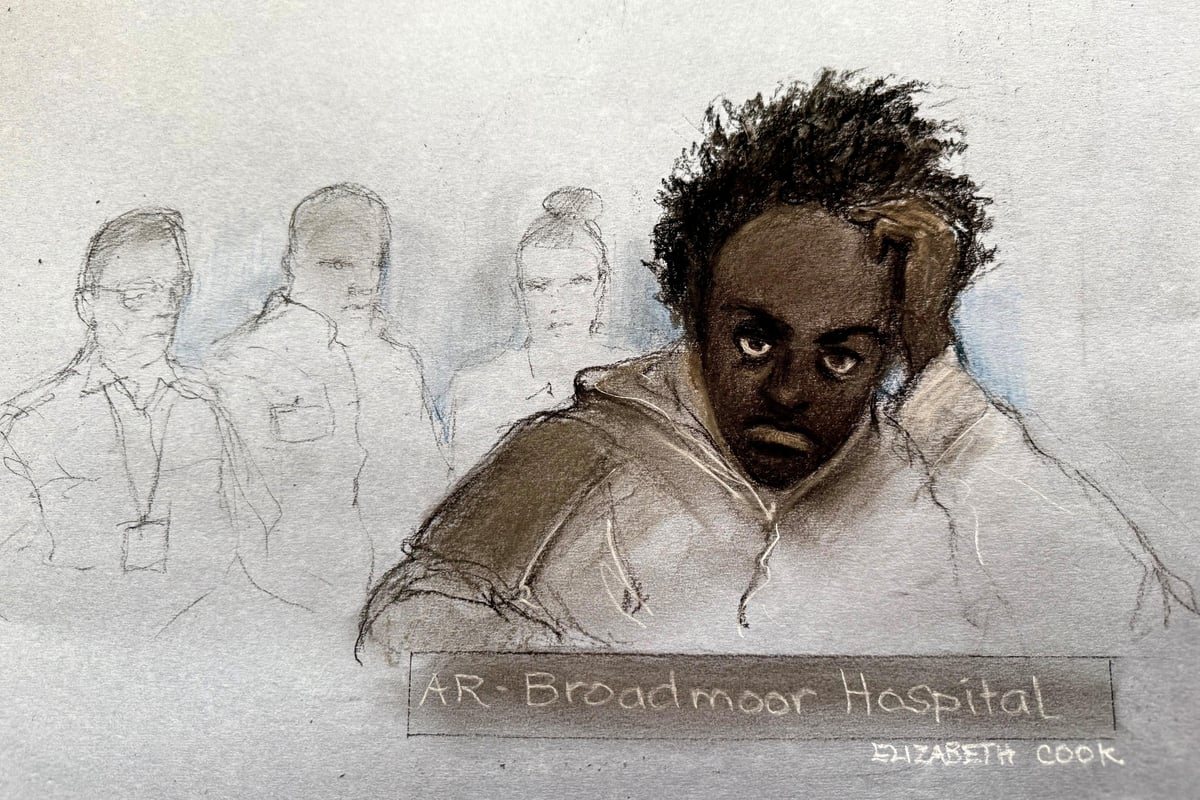
Axel Rudakubana, the man convicted of killing three young girls in Southport, has been accused of throwing boiling water mixed with sugar at a prison officer at HMP Belmarsh. The alleged assault took place when Rudakubana threw the scalding liquid through a hatch on his cell door, according to court proceedings.
The incident is one of several allegations of violence against prison staff at the high-security jail in south-east London. Rudakubana is also accused of punching a male officer who had challenged him when he attempted to walk past officers seeking to establish whether he had taken his medication. He further faces a charge of possessing a dangerous weapon in his cell.
Rudakubana was convicted of the murders of Bebe King, six, Elsie Dot Stancombe, seven, and Alice da Silva Aguiar, nine, who were killed at a Taylor Swift-themed dance class in Southport in July 2024. The attack shocked the nation and led to widespread unrest. He was sentenced to life imprisonment with a minimum term of 52 years.
The latest allegations were heard at a court hearing, though details of the proceedings remain limited. The case has been adjourned, and Rudakubana is expected to face trial on the assault and weapon charges at a later date. The prison service has not commented on the specific allegations.
HMP Belmarsh is a Category A men's prison in Thamesmead, south-east London, known for housing some of the UK's most high-profile and dangerous offenders. It has a unit for prisoners with mental health issues, and Rudakubana's legal team may raise issues related to his mental health. The court heard that he had been assessed under the Mental Health Act.
The allegations add to the notoriety of Rudakubana, who was 17 at the time of the Southport attack. His case prompted a review of how authorities handle suspects with histories of violence and mental health concerns. The prison service has faced questions about safety and staffing levels at Belmarsh and other high-security facilities.
The charges against Rudakubana are serious and, if proven, could lead to additional prison time. Assaulting a prison officer carries a maximum sentence of several years, while possessing a weapon in prison is also a criminal offence. The case is likely to draw further attention to conditions inside Belmarsh and the challenges of managing extremely high-profile inmates.
Rudakubana's next court appearance has not been scheduled, but the case will continue to be monitored closely by both the media and the families of his victims. The Southport murders remain a painful chapter in recent British history, and any further legal developments involving Rudakubana will be reported with sensitivity.