
Trump aide Natalie Harp reportedly supplied unflattering clips behind White House media purge
Natalie Harp, a close aide to President Donald Trump, reportedly provided unflattering news clips that led to the removal of several media outlets from the White House press pool, according to a new report. The episode highlights the administration's tightening control over press access and the growing influence of loyal staff in shaping media coverage.
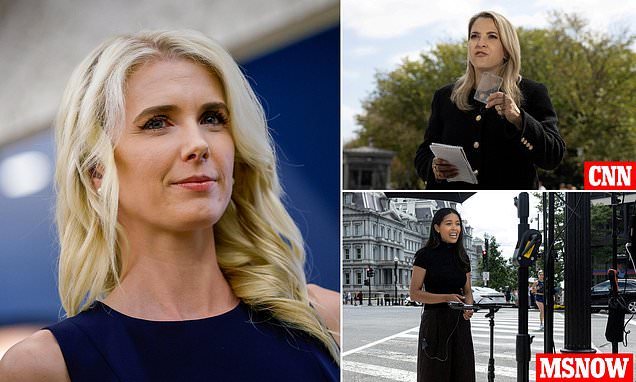
Natalie Harp, a longtime aide to President Donald Trump, reportedly supplied unflattering news clips that contributed to the removal of several media outlets from the White House press pool, according to a report. The move has intensified scrutiny of the administration's approach to press access and the role of loyal staff in filtering coverage of the president.
The outlets affected by the purge were reportedly those whose coverage the White House considered unfriendly. Harp, who has served as a close assistant to Trump and is known for her fierce loyalty, allegedly compiled and shared clips that highlighted critical reporting. Those clips were then used to justify excluding certain journalists from official events and briefings, the report claims.
The White House has not publicly commented on the specific allegations, but the development fits a broader pattern of the administration restricting access to mainstream media organisations it views as adversarial. Since returning to office, Trump has repeatedly clashed with major news networks and newspapers, accusing them of bias and unfair treatment. The press pool, which traditionally includes a rotating group of correspondents covering the president, has become a focal point in that conflict.
Harp's reported involvement underscores the influence of a small circle of aides who shape the information reaching the president. Her role has drawn attention before, particularly for her practice of providing Trump with printed news articles and social media posts that align with his views. Critics argue that such practices create an echo chamber, while supporters say the president is entitled to surround himself with staff who share his agenda.
The removal of outlets from the White House press pool raises questions about transparency and the public's access to independent reporting on the executive branch. Press freedom advocates have warned that excluding journalists based on the tone of their coverage sets a dangerous precedent. The White House Correspondents' Association has previously objected to similar moves, stressing that a diverse press pool is essential for informing the public.
Neither Harp nor the White House has issued a formal response to the report. The episode is likely to fuel ongoing debates about media access, political loyalty, and the boundaries between official communication and partisan messaging. As the administration continues to reshape its relationship with the press, the consequences for public discourse and democratic accountability remain a central concern.