
Nats Under Fire as Second Air Traffic Control Failure in Two Weeks Disrupts UK Flights
Airlines have reacted with anger after National Air Traffic Services suffered its second major incident in a fortnight, with Ryanair renewing calls for chief executive Martin Rolfe to resign. Monday's disruption was the fourth Nats-caused failure in under four years, leaving passengers stranded and flights cancelled.
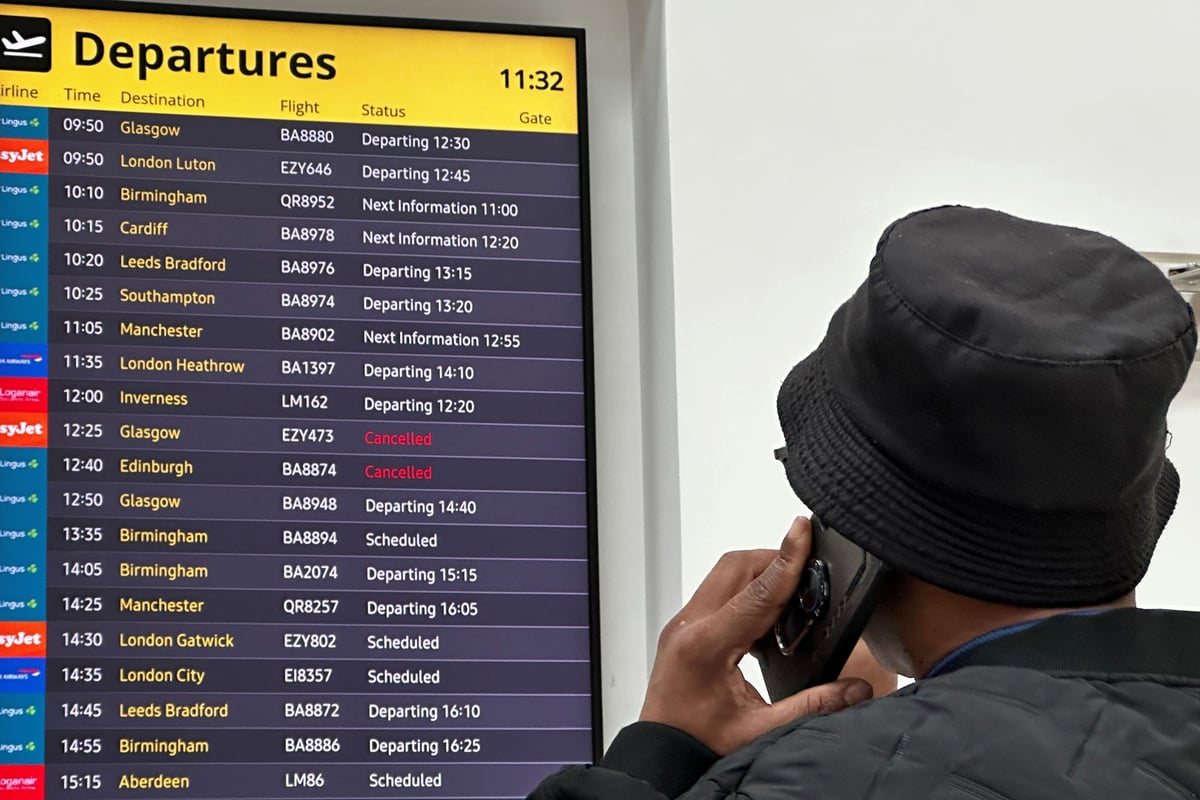
National Air Traffic Services (Nats) is facing renewed criticism from airlines after a second major disruption to UK air travel in two weeks, with Ryanair repeating its demand for the company's chief executive, Martin Rolfe, to step down. The latest incident on Monday led to widespread flight cancellations and delays, prompting carriers to express what they described as dismay and anger at «yet another» failure of the country's air traffic control system.
Monday's disruption was the fourth incident caused by problems at Nats in under four years, according to accounts of the sequence of events. The recurrence has intensified pressure on Rolfe, who has now been urged to quit by Ryanair and faces fresh calls to resign from other quarters. The airline industry's frustration is compounded by the fact that the latest failure came only a fortnight after a previous major issue, raising questions about the resilience and reliability of the UK's air traffic control infrastructure.
At Manchester Airport, the impact was severe, with 18 flights cancelled to and from the airport on Monday alone. Passengers reported being stuck for as long as nine hours at Paris airport following the air traffic control problem, illustrating the knock-on effects that such failures have on travellers far beyond the immediate area of the fault. The disruption affected not only Manchester but also other UK airports, as airlines including Ryanair, easyJet, Jet2 and British Airways were forced to adjust schedules and manage stranded passengers.
The political dimension of the crisis has also come into focus, with Transport Secretary Heidi Alexander drawn into the fallout. The incident has highlighted the vulnerability of the UK's airspace management at a time when passenger numbers are recovering and airlines are operating close to capacity. For an industry still recovering from the pandemic, any interruption to air traffic control services carries significant financial and operational consequences, affecting not just airlines but also airports, ground handlers and the wider travel economy.
Ryanair's call for Rolfe's resignation is not new, but it has gained traction amid the latest failures. The airline has been a persistent critic of Nats, arguing that the repeated incidents demonstrate a systemic problem that requires a change in leadership. Other carriers have echoed the sentiment, expressing their dismay and anger at the disruption caused to their operations and to their customers. The pressure on Rolfe is now acute, as he faces questions about how the organisation will prevent further incidents and restore confidence among airlines and the travelling public.
The broader context is one of increasing scrutiny of Nats, which operates as a public-private partnership and is responsible for managing UK airspace. The four incidents in under four years have raised concerns about investment in technology and staffing, as well as the robustness of contingency planning. While Nats has not yet issued a detailed response to the latest criticism, the repeated nature of the failures suggests that the issue is unlikely to fade quickly. For passengers, the immediate concern is the reliability of their travel plans, while for the aviation sector, the focus is on accountability and reform.
As the investigation into Monday's incident continues, the pressure on Nats and its leadership is expected to remain intense. The airline industry has made clear that it expects action, not just explanations, and the coming days will be crucial in determining whether Rolfe can weather the storm or whether the calls for his resignation will grow louder. For now, the disruption has served as a stark reminder of how dependent modern air travel is on a single, complex system — and how quickly that system can bring the plans of thousands of travellers to a halt.
4