
Dollar General Warns Shoppers Are Squeezed by Fuel, Utility and Food Costs
The discount retailer's chief executive says higher-income households are now behaving like lower-income ones as they juggle essential bills, signalling widening financial stress among US consumers.
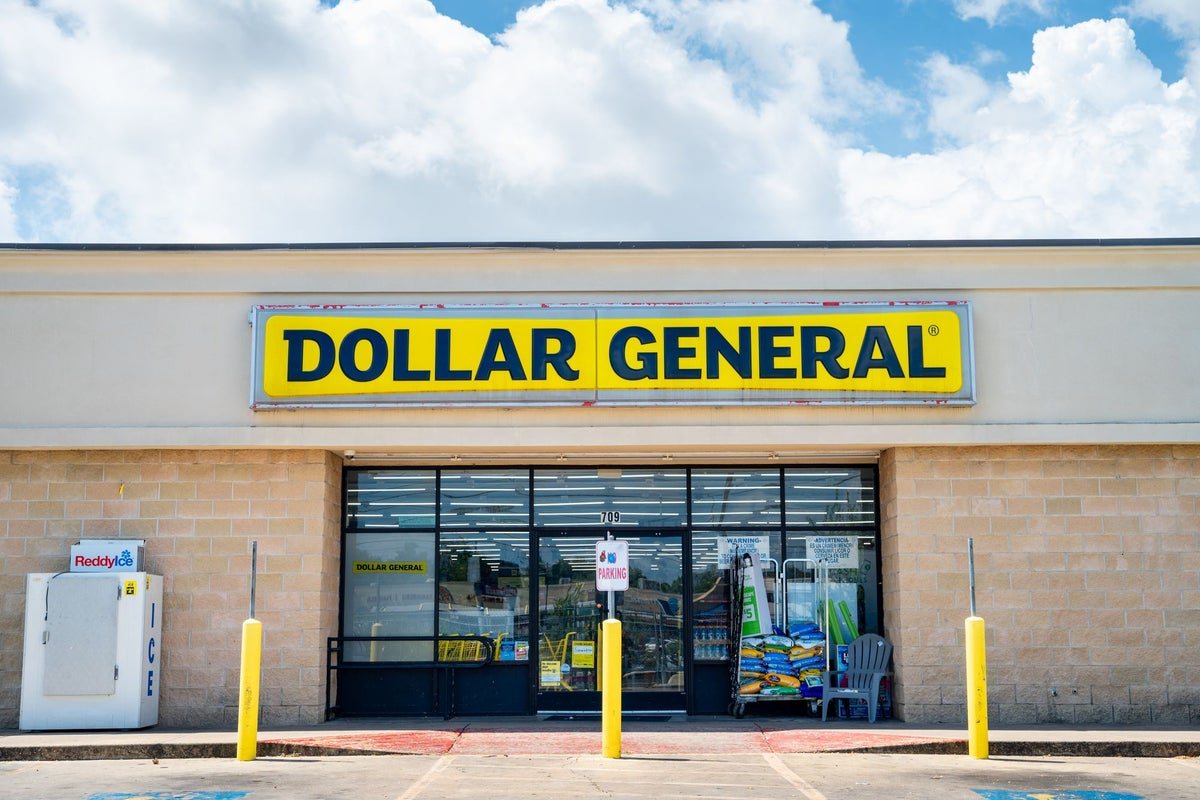
The chief executive of Dollar General has delivered a stark assessment of American household finances, saying that shoppers are struggling to balance spending on fuel, utilities and food, and that higher-income customers are now behaving like those on lower incomes. The warning from one of the largest discount retailers in the United States suggests that financial strain is spreading well beyond the households that typically rely on budget chains.
The company's message points to a consumer base under pressure from the cumulative cost of everyday essentials. Rather than discretionary purchases, shoppers are prioritising unavoidable bills — petrol, electricity, gas and groceries — and adjusting their behaviour accordingly. When better-off shoppers begin to trade down in the same way as lower-income households, it is a signal that the squeeze is not confined to the poorest.
Dollar General occupies a distinctive position in the US retail landscape. Its network of small-format stores is concentrated in rural and small-town communities, where customers often have fewer alternatives for basic goods. That makes the chain a useful barometer of how far household budgets stretch between pay cheques. The company's comments therefore carry weight beyond its own balance sheet, offering a window into the spending decisions of millions of Americans.
The pressures described are familiar ones. Fuel costs feed directly into the cost of commuting and heating, while utility bills have risen sharply in many regions. Food price inflation, though slower than at its peak, has left grocery bills significantly higher than they were a few years ago. For households without much slack, these three categories alone can consume a large share of monthly income, leaving little room for anything else.
Economists and retail analysts watch discount chains closely because their customer base tends to react quickly to changes in disposable income. A shift in behaviour among higher earners is particularly notable. It can indicate that even households with relatively comfortable incomes are cutting back, delaying purchases or switching to cheaper alternatives. That pattern, if sustained, can ripple through the wider economy by dampening demand in other sectors.
The comments also highlight a broader question about the health of consumer spending, which remains a key driver of US economic growth. If households are increasingly focused on essentials, retailers selling clothing, electronics, home goods and other non-essential items may face weaker sales. Businesses that cater to lower-income shoppers could see more competition as wealthier customers seek out bargains.
For policymakers, the signal is a reminder that inflation is experienced unevenly. Headline figures may show price growth easing, but the lived reality for many households is still shaped by the cost of basics. Wages have risen in recent years, yet for some workers they have not kept pace with the combined effect of higher prices for fuel, power and food.
Dollar General's warning does not amount to a formal forecast, but it adds to a growing body of anecdotal and survey evidence about consumer caution. Retailers across the sector have reported similar themes: shoppers buying smaller packs, switching to own-brand products and reducing trips. The difference here is the explicit suggestion that the stress has moved up the income scale.
What happens next will depend on whether fuel and utility costs stabilise and whether food inflation continues to moderate. If those pressures ease, household budgets could recover some breathing room. If they persist, the trading-down behaviour described by Dollar General may become a more entrenched feature of the US consumer landscape, with consequences for retailers, investors and the wider economy.
5