
Tory and Reform mayors plan tax rebates for residents under devolution push
Conservative and Reform UK mayors are planning to introduce local tax rebates as part of a devolution drive led by Greater Manchester Mayor Andy Burnham, with proposals to give mayors a share of income tax revenue.
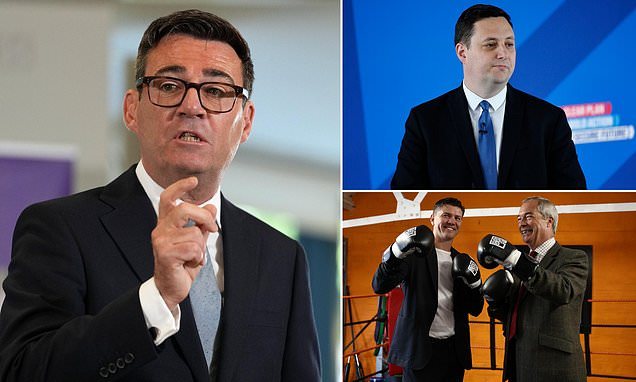
Conservative and Reform UK mayors are preparing to offer tax rebates to local residents as part of a broader devolution initiative championed by Greater Manchester Mayor Andy Burnham, according to reports. The plans would see regional mayors use newly devolved powers over income tax to return money directly to households, marking a significant shift in local fiscal policy.
The proposal is being discussed among a group of metro mayors from both Conservative and Reform parties, who see tax rebates as a way to demonstrate the tangible benefits of devolution. Under current proposals, mayors would be granted a share of income tax revenue collected in their regions, allowing them to set local rates or issue rebates to residents. This would represent one of the most substantial transfers of fiscal responsibility from Whitehall to local leaders in recent years.
The devolution drive, which Burnham has been pushing for several years, gained fresh momentum after the new Prime Minister signalled support for giving mayors greater control over tax and spending. Burnham, a Labour mayor, has been at the forefront of negotiations, arguing that local leaders are best placed to understand the needs of their communities and should have the financial tools to address them. His approach has drawn praise from cross-party figures, including London Mayor Sadiq Khan, who said there was «no evidence» that Burnham was «anti-London» and expressed excitement about the «direction of travel» on devolution.
Khan added that devolution of income tax powers could help mayors fund local priorities such as transport, housing, and skills training without relying on central government grants. The London mayor has himself long argued for greater fiscal autonomy for the capital, including control over property taxes and business rates.
The tax rebate plan is seen as an attempt to win over sceptical voters who have questioned whether devolution delivers real improvements to daily life. By putting money back in people's pockets, proponents hope to build public support for further transfers of power from Westminster. Critics, however, warn that giving mayors control over income tax could lead to a patchwork of different rates across the country, potentially creating tax competition between regions and complicating the national fiscal system.
Burnham has also used the devolution debate to challenge assumptions about educational and career pathways. In a recent intervention, he argued that society should «value the hard hat every bit as much as the graduation cap», calling for more investment in technical and vocational training tailored to local job markets. This stance is part of a wider push to ensure that devolution addresses not just fiscal autonomy but also social mobility and employment.
The tax rebate proposals are expected to be formalised in the coming months, with pilot schemes possible in some combined authority areas. If successful, they could pave the way for a more fundamental overhaul of how local government is funded in England, moving away from a model heavily reliant on central grants towards one where elected mayors have meaningful budgetary discretion.
The developments come amid a wider reassessment of the relationship between central and local government, with both Conservative and Labour politicians expressing interest in deeper devolution. However, the involvement of Reform UK mayors, who have been vocal critics of the current tax system, adds a new dimension to the debate. Their support for rebates could appeal to voters frustrated with high taxes and perceived waste in public spending.
Whitehall officials are understood to be studying the proposals, though any changes would require primary legislation. A government spokesperson said ministers were «open to proposals that empower local leaders and deliver better value for taxpayers», while cautioning that any devolution of tax powers must be «fiscally responsible and consistent with national economic stability».
Analysts suggest that the tax rebate plan, if implemented, could become a model for other regions seeking greater autonomy. The success of the initiative will likely depend on the ability of mayors to demonstrate that local control of taxation leads to improved public services and economic growth, without undermining the broader fiscal framework.