Famous man seeks injunction to block publication of sexual misconduct claims
A well-known public figure asked the High Court to stop the Guardian and ITN from publishing allegations of sexual misconduct involving girls and young women, which he denies, and his lawyers argued publication would put him at high risk of suicide.
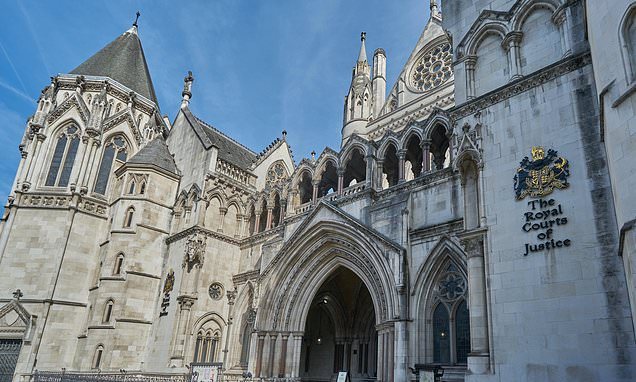
A well-known public figure has asked the High Court to stop two news organisations from publishing allegations that he engaged in inappropriate and exploitative sexual activities with a large number of girls and young women. The man, referred to in court as PPT, denies the claims. His legal team told the court that publication would highly likely lead him to take his own life.
PPT is seeking a permanent injunction against the Guardian and ITN to prevent them from publishing the allegations. Court reporting indicates that the claims concern an alleged abuse of power and status involving young women. Because the proceedings are ongoing, the allegations remain unproven and have not been tested in open court.
His lawyers argued that the risk of suicide is serious enough to justify restricting publication. The application places the case at the intersection of press freedom, privacy and the protection of people who may be vulnerable, a balance the courts are regularly asked to weigh when a named individual seeks to stop reporting before a story appears.
The request is for a permanent injunction rather than a temporary order, which would bar publication outright if granted. Pre-publication injunctions of this kind are rare in the United Kingdom and are generally reserved for cases where a claimant can show that publication would cause harm that cannot be remedied afterwards. Whether the court accepts that the suicide risk meets that threshold will be central to its decision.
The Guardian and ITN are the named outlets in the application. The allegations, as described in the reporting so far, centre on a claimed pattern of conduct over an extended period rather than a single incident, which is one reason the outlets have sought to publish. Reports of the hearing have consistently noted that PPT is contesting the substance of the claims rather than their existence, meaning the dispute before the court is as much about whether reporting should be allowed as it is about the underlying conduct.
Coverage of the hearing has also highlighted the procedural weight of the case. Applications to restrain publication before a story runs are contested on the basis that they can prevent the public from learning of matters of genuine concern, while claimants argue that reputational and personal harm can be severe and irreversible. In this case the claimed suicide risk has been placed squarely before the judge as the reason immediate restraint is needed.
No independent confirmation of the specific allegations has been published, and the material available does not identify any complainants or witnesses. The outcome of the application will determine whether the Guardian and ITN are able to publish their reporting, and it will shape how the court approaches similar requests in future.
5