Britain plans to extend home electricity rates to slow public EV chargers
The government will fund a two-year scheme from spring 2027 to bring public slow-charger prices closer to home rates, and a taskforce will test ways for drivers to use their domestic tariff at local public points.
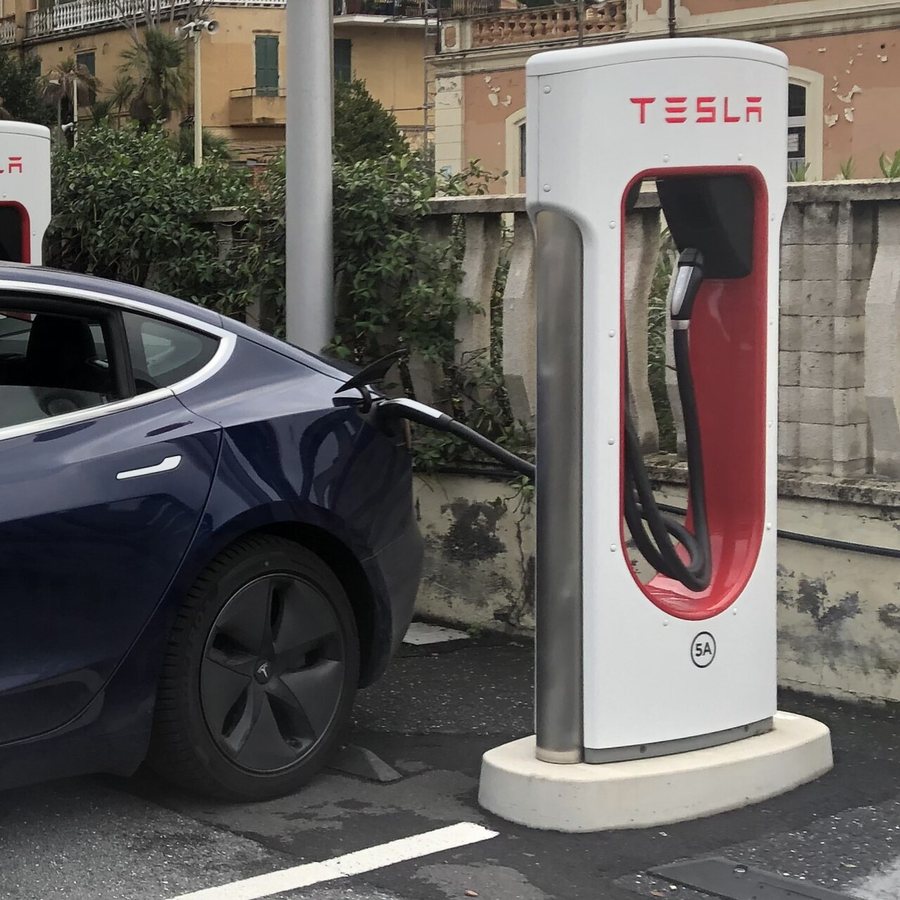
The UK government is moving to close the price gap between charging an electric car at home and at public chargers, a difference that an independent report says is keeping around a third of drivers from switching to electric vehicles. A £100 million fund confirmed by the Treasury will be used to bring public charging costs closer to home rates for two years, starting in spring 2027.
The measure was announced during the Autumn Budget. The Department for Transport (DfT) will also set up a taskforce to pilot ways for drivers to use their domestic energy tariff at the local, lower-powered public charging points that make up roughly a third of the UK network. The funding would target slower AC units and would exclude DC rapid chargers. It is not yet clear how the money will be passed on to drivers.
The announcement follows an independent report commissioned by the DfT's Office for Zero Emission Vehicles and published on 28 October. The report recommended «porting» of home energy tariffs for use at slow chargers as the best long-term response to what it described as an inequity between drivers with and without off-street parking. The government has framed the policy as ending the so-called driveway divide.
The financial case for electric cars depends heavily on access to cheap home electricity. According to the latest Zapmap data, the average price of an AC charger is 54p per kWh, just over double the Ofgem-capped flat rate of 26p and around eight times the off-peak rates of 7p offered by some utility companies. Using the DfT's example of an electric car covering 8,000 miles a year and consuming an average of 3.3 miles per kWh, a driver relying on public chargers could pay about 16p per mile, compared with between 2p and 8p at home. The government estimates the new funding could save drivers around £150 a year.
Earlier policies have also tried to address the gap. Drivers without off-street parking can receive a grant of up to £500 towards installing a home charger, but the scheme carries conditions: they must fit a solution that stops cross-pavement cables becoming a trip hazard, and the charger does not guarantee them use of the adjacent parking space. Last week the DfT also removed the requirement to apply for planning permission to install pavement-crossing gulleys, a change it says can save drivers up to £300.
Simon Lightwood, the minister for buses and local transport, said: «If you don't have a driveway, you shouldn't be stung for charging your car. We're putting a stop to the so-called driveway divide.» He added: «The EV revolution is soaring. Sales are up 36% on last year and 200,000 drivers have already cashed in on our Electric Car Grant to go electric. Now we want everyone to feel the benefit, wherever they live.»
4