Budget forecasts point to years of squeeze on family finances
New Budget forecasts paint a bleak outlook for household finances, undermining the new government's promise of breathing space for families under pressure.
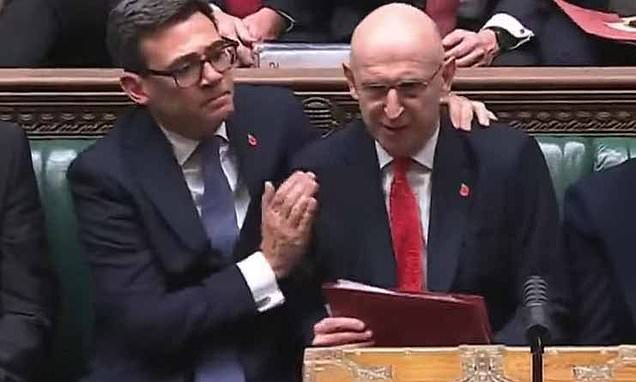
Household finances face several more years of strain, according to the forecasts that accompanied the first Budget of Andy Burnham's premiership, a set of projections that cut across the government's message that the measures would give families room to breathe.
The Budget was delivered in the days after John Healey made a series of announcements, and it was widely framed in the press as a blow to the new administration's early ambitions. The Manchester Evening News described the Budget as a massive blow to the government, coming only hours after those announcements. The government had presented its approach as easing the pressure on everyday costs, with the aim of giving households some relief after a difficult period. The official forecasts, however, suggest that the improvement in living standards will be slow, leaving many families with little immediate change in their budgets.
Writing for the Daily Record, the Secretary of State for Scotland, Douglas Alexander, argued that yesterday's Budget meant «easing the squeeze and laying the foundations for the jobs of the future». He said the measures were intended to provide breathing space for Scots facing everyday costs, linking short-term support with longer-term investment in employment. That framing sits at the centre of the government's defence of its plans: that relief for households and investment in jobs go hand in hand.
Critics have looked to the forecast figures as evidence that the relief on offer is limited and that benefits will take years to reach household budgets. The tension between the two readings is the central political question the Budget leaves behind. For the government, the task is to show that the foundations laid now will translate into higher incomes and lower costs for ordinary families. For opponents, the projections offer a ready counterpoint, suggesting the squeeze on incomes will persist well beyond the first months of the new premiership.
The Budget's reception also reflects the speed with which it followed the Healey announcements, leaving the government little room to set out its case before the forecasts drew attention. Coverage in Manchester and Scotland has focused on the same question from different angles: whether the measures amount to genuine relief or a slower route to recovery. How quickly the projections are tested against real spending and wage data will determine which account of the Budget holds up.
4