
Banks face smaller tax rise than feared to fund breathing space
Banks will pay an extra 3% on the corporation tax surcharge from January for 15 months, a smaller increase than some had expected, as the new chancellor seeks room for households.
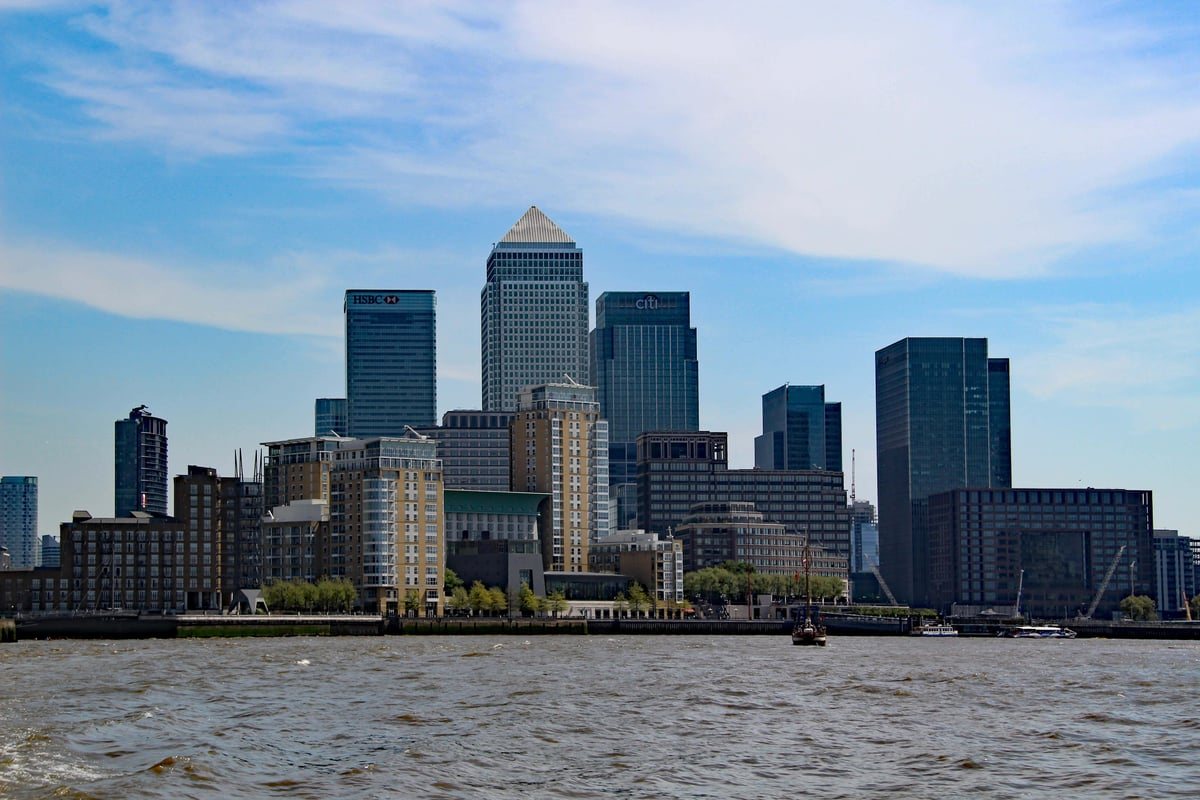
Banks will pay an additional 3% on the corporation tax surcharge from January, for a period of 15 months, a rise that is smaller than some had feared. The change is part of John Healey's first budget as chancellor, which he has presented as offering «breathing space» to households facing what he describes as «global economic storms».
The budget contained a record number of measures. Among them was a one-off £100 energy payment to millions of people, and the increase in the levy on bank profits is one of the ways the government intends to pay for the package. Because the surcharge rise is limited to 15 months, the additional revenue is tied to a defined window rather than being built into the permanent tax system, leaving its longer-term position open to later decisions.
The Conservatives have criticised the government for postponing big decisions, including on defence and welfare. Their argument is that a budget packed with short-term measures does not settle the harder questions facing the public finances, and that key choices have been pushed back rather than made. The government's response has centred on the immediate support it is offering households at a time of pressure on living costs.
Economics editor Heather Stewart has been analysing the budget's approach, and the picture she sets out is one of a package that combines near-term relief with delayed decisions. For the banking sector, the outcome is a lighter burden than some commentators had anticipated before the statement, although the surcharge still represents a direct increase in what banks pay on their profits for the duration of the measure.
The budget also marks the start of a new chancellorship, with the first statement giving a clear signal of how the government intends to balance support for households against the cost of paying for it. The bank levy sits at the centre of that balance, with the fixed 15-month term defining how long the extra revenue will be collected and giving the government room to revisit the arrangement once that period ends.
3