Chancellor spares smokers and vapers from new tax rises in Budget
John Healey's first Budget leaves tobacco and vaping duty untouched weeks after a steep inflation-linked increase, while vape shops lose business rates relief.
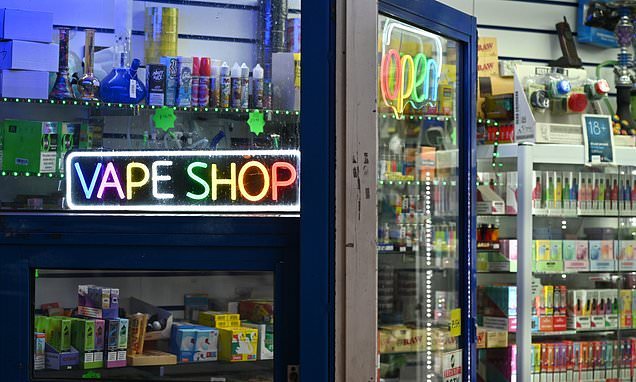
Chancellor John Healey has spared smokers and vapers from fresh tax increases in his first Budget, weeks after a steep rise in duty that outpaced inflation. The decision means no additional levy on tobacco or vaping products in this package, although the government has moved to withdraw business rates relief from vape shops.
The Budget follows a duty increase on tobacco products that was set above the rate of inflation, a move that had already drawn criticism from retailers and campaigners who argue that higher prices push consumers towards the illicit market. By choosing not to add a further rise, the Treasury has held the current duty position, leaving the cost of cigarettes and vaping products where it stands for now.
The same Budget removes a form of business rates relief that had helped vape retailers, meaning specialist shops will face higher property costs from the coming tax year. Industry representatives have warned that the change could put pressure on small independent traders, many of which operate on tight margins in high streets across the country.
The wider Budget also contained measures affecting drivers and households. Healey extended the 5p per litre cut in fuel duty until July 2027, keeping the total duty on fuel at 52.95p per litre, after the cut had been due to expire on 31 December 2026. He said the decision was driven by the war in the Middle East, which he argued was still pushing up fuel prices.
Opposition leader Kemi Badenoch said she was glad to see fuel duty temporarily frozen but questioned why it could not be held at that level for longer, pointing to the Conservatives' record of freezing fuel duty for fourteen years. Edmund King, president of the AA, said the freeze only delayed the price shock when the duty rose again, and argued that the government could have gone further by cutting fuel duty by an extra 5p, at least for diesel. He suggested that extra VAT income generated by higher prices could have offset the lost revenue.
The government also confirmed that business mileage rates would change. The rate for drivers covering less than 10,000 miles a year, temporarily raised from 45p to 55p per mile for the current tax year, will become permanent. The rate for those covering more than 10,000 miles annually rises from 25p to 35p per mile.
Healey further confirmed that the temporary removal of VAT on domestic electricity will be extended until July next year. Electricity drawn from public electric vehicle chargers will continue to attract VAT at 20 per cent. King said this widened the so-called pavement tax, the gap between drivers who can charge at home and those who cannot, and described it as a missed chance to encourage take-up of electric vehicles.
4