
Egyptian court fines editor Lina Attalah and shuts independent outlet Mada Masr
A Cairo court has convicted prominent editor Lina Attalah of managing an unlicensed website and ordered the shutdown of the independent news outlet Mada Masr, amid a widening crackdown on independent media in Egypt.
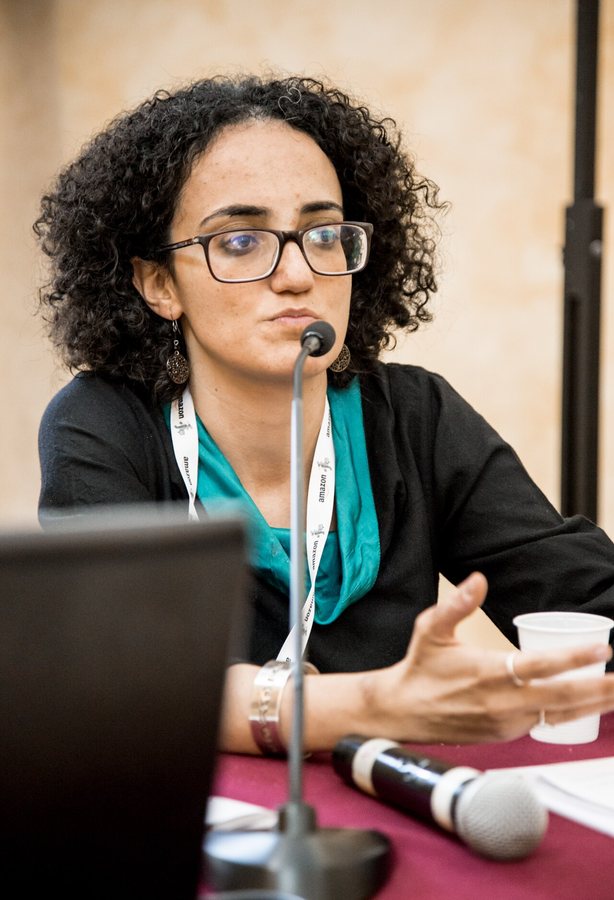
A Cairo court has convicted Lina Attalah, a prominent Egyptian journalist and editor-in-chief of the independent news outlet Mada Masr, of managing an unlicensed website and has ordered the site shut down. Attalah was taken briefly into custody and has since been released by the authorities, a development that has prompted fresh international concern over press freedom in Egypt.
The ruling marks a sharp escalation in what press freedom advocates describe as an intensifying crackdown on independent media. Mada Masr has long been one of the most prominent independent news platforms in the country, reporting on politics, social issues and the actions of the state. The court's decision to order its closure brings the outlet's operation to an end under the terms of the verdict, leaving its editorial team and readers facing an uncertain future.
Attalah's conviction rests on the charge that she managed a website without the licence required under Egyptian rules. Critics of the authorities argue that licensing requirements have been used to restrict outlets that operate outside the state's preferred framework. The case, in their view, reflects a broader pattern of pressure on journalists who question official narratives. The source material does not include a detailed public statement from the government defending the ruling in this specific case.
The sequence of events underlines how quickly the situation has moved. Attalah was detained, then released, and the court's order against the website followed the conviction. Each step has been reported as part of a single process aimed at the outlet and its leadership, rather than as a series of separate incidents. The reporting available at the time does not specify the length of her detention or the exact wording of the court's reasoning, so these details cannot be stated with confidence.
The episode comes as international observers have repeatedly raised alarm about the space available to independent reporting in Egypt. Attalah's detention and the closure order have drawn concern from press freedom groups, who warn that the case could deter other journalists from pursuing critical coverage. Whether the verdict will be appealed, and how the outlet's staff and readership will respond, were not detailed in the reporting available at the time.
The case also raises wider questions about how regulatory frameworks for online media are applied in Egypt. Because the charge concerns licensing rather than the content of individual articles, the ruling highlights the legal tools that can be used to limit independent outlets without direct reference to their journalism. For readers following how institutions and public narratives shape the modern world, the case shows how control of information can operate through administrative and judicial channels as well as through editorial pressure.
4