King Charles raises slavery legacy on Caribbean tour
King Charles has begun his Caribbean tour in the Bahamas and confirmed he will discuss the legacy of slavery with Commonwealth leaders at a forthcoming summit.
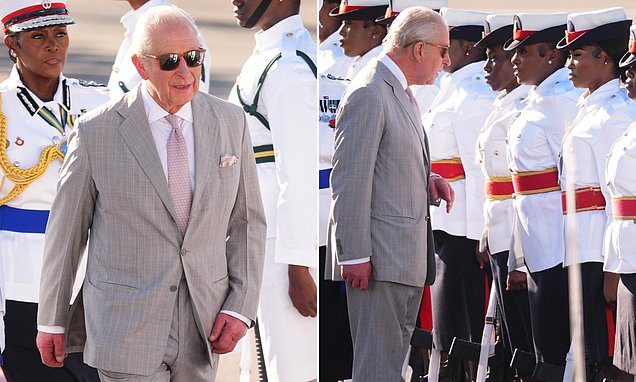
King Charles has confirmed he will raise the legacy of slavery with Commonwealth leaders at a summit, as he opens a tour of the Caribbean in the Bahamas. The move comes as several Commonwealth nations renew their calls for Britain to engage in talks on reparations, placing the subject at the centre of the visit from its first day.
The king arrived in the Bahamas to a ceremonial welcome and attended a youth rally at Clifford Park. The site is where the country officially gained its independence from British colonial rule in 1973, a detail that gave the visit added symbolic weight. Reports from the arrival describe him acknowledging the great suffering of the past, a phrase that has framed much of the coverage of the trip so far.
Coverage of the arrival noted that the visit was taking place amid demands from Commonwealth countries for an apology and reparations linked to slavery. One report said the monarch would not shy away from the shameful aspects of the past. Another described him as having chosen to face the issue of slavery immediately on landing in the country, rather than leaving it until later in the tour.
The timing matters because the Bahamas is the first stop on a wider Caribbean itinerary, and the summit discussion is expected to bring the question of slavery before the leaders of the Commonwealth as a group. Slavery and colonial rule remain central to debates across the Commonwealth about how Britain should account for its history, and the king's public framing of the issue places the royal household directly within that debate.
For the monarchy, the trip carries a different kind of weight from a routine state visit. Reports note that the ceremonial welcome and the youth rally were staged in a country whose independence is closely tied to the end of British colonial governance, and the king's remarks on the past were delivered in that setting. Whether the summit discussion produces commitments on reparations has not been confirmed in the supplied material, and the coming days of the tour are likely to show how the subject is handled in the region.
5