Israeli exit polls show Netanyahu’s bloc short of clear majority
Exit polls from Israel’s general election point to a deadlock, with Netanyahu’s party expected to win the most seats but a rival bloc possibly able to oust him.
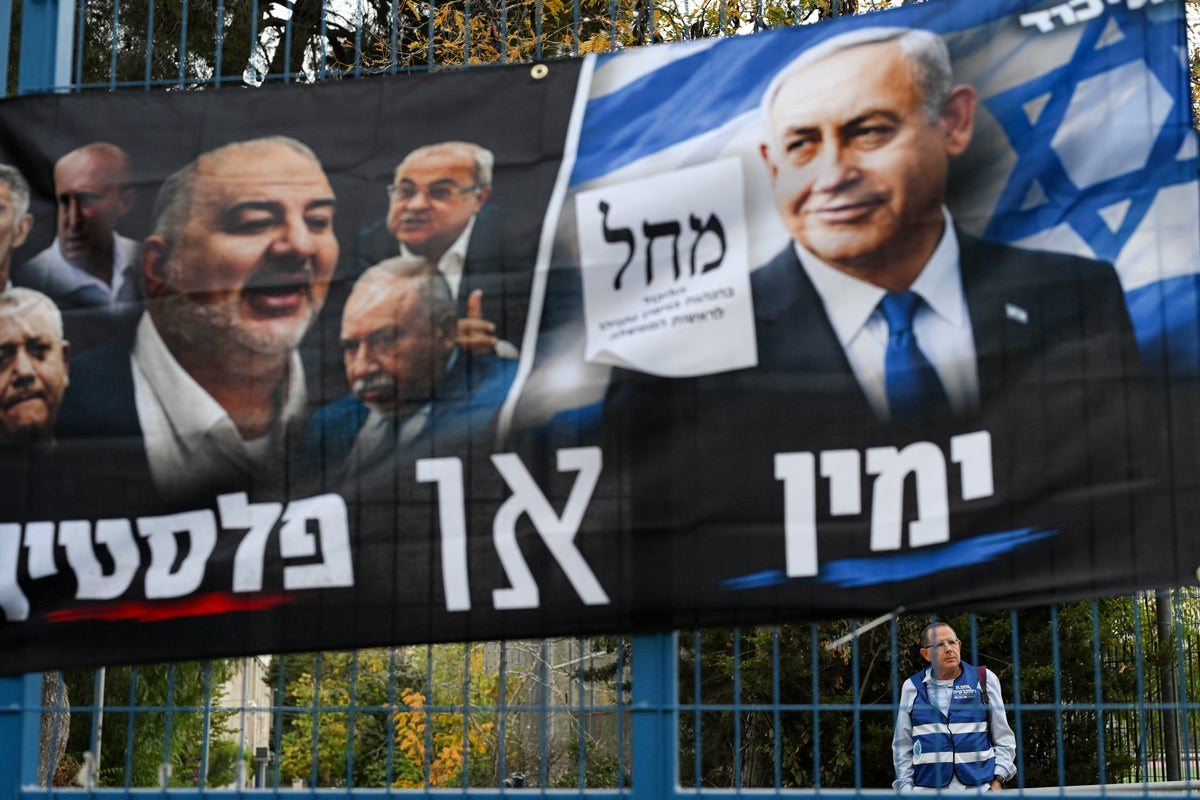
Exit polls from Israel’s general election point to a deadlock, with no clear winner emerging after a vote widely seen as a referendum on Prime Minister Benjamin Netanyahu. Early projections suggest Netanyahu’s Likud party could win the largest number of seats, but a rival bloc may still be large enough to force him from power.
The stalemate follows three years of war under Netanyahu’s government. Israelis have now passed their judgement on the prime minister and his record during that period, and the result leaves the country’s political future uncertain. Coalition talks are expected to determine who ultimately forms the next government, and the outcome of those negotiations will decide whether Netanyahu remains in office.
Netanyahu spent much of election day posting on social media that a high Arab turnout was an “emergency” and a “matter of life or death” for the Israeli right. His remarks underscored how much weight he placed on mobilising his base in the final hours of voting. Turnout among Arab Israeli voters has been a recurring factor in recent elections, and the levels seen on polling day drew his particular attention.
Exit polls are an early indicator rather than a final count, and the official tally will determine the precise distribution of seats. Even so, the projections point to a fragmented result in which neither Netanyahu’s camp nor its opponents can easily secure a governing majority on their own. Such outcomes typically lead to prolonged negotiations between parties with very different priorities, and the bargaining over ministries, policy commitments and coalition terms is likely to define the weeks ahead.
For Netanyahu, the central question is whether he can assemble a coalition capable of commanding a majority in the Knesset. If the opposition bloc proves larger than the exit polls suggest, he could face a serious challenge to his return to office. Either way, the outcome will shape Israel’s domestic politics and its approach to regional security at a time of heightened tension, following a period in which the war has dominated the national agenda.
The vote has also been read as a verdict on the broader direction of government policy since the war began. Supporters of the prime minister have argued that continuity is needed to see security objectives through, while his critics have focused on the costs of the conflict and the questions it has raised about the government’s conduct. The exit polls do not settle that debate, but they show a country divided almost evenly over whether Netanyahu should continue to lead it.
6