Super El Niño could kill 870,000 people worldwide, researchers warn
Researchers at the University of Chicago estimate a strong El Niño event could cause around 870,000 deaths globally, with China, India and Nigeria among the countries expected to be hardest hit.
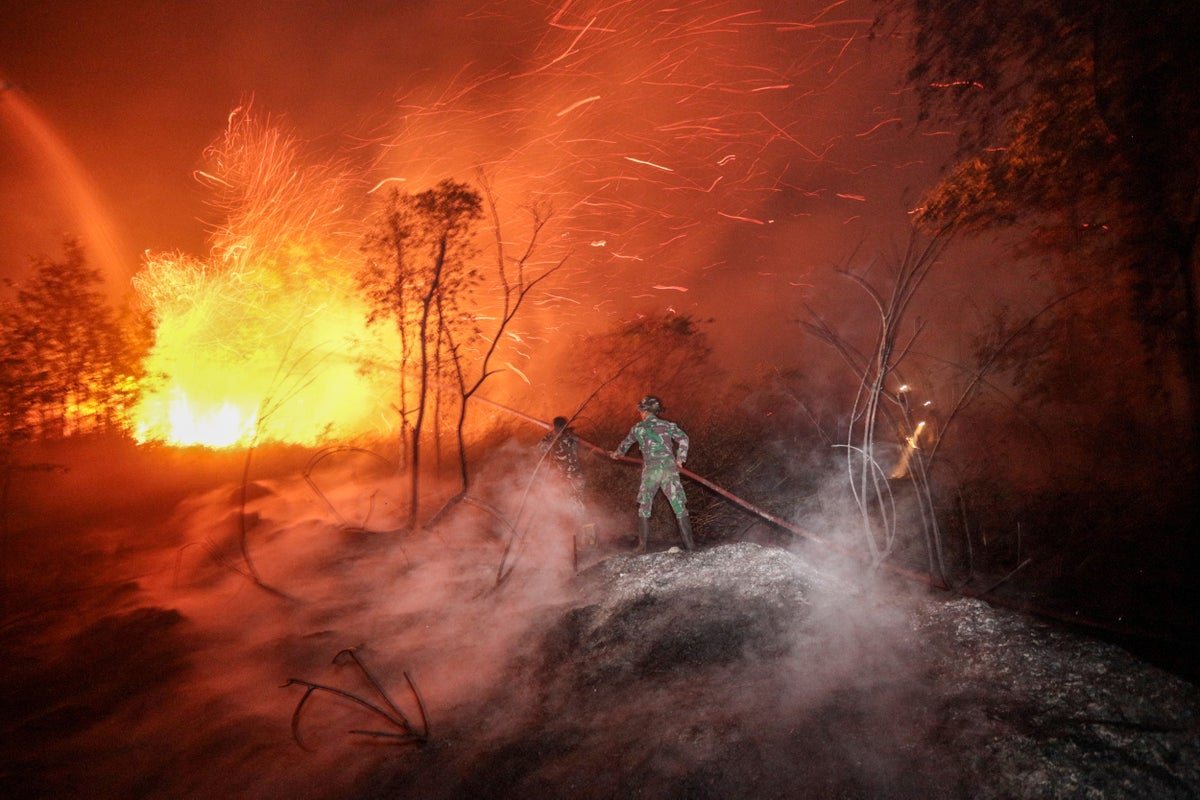
A powerful El Niño weather pattern could be responsible for around 870,000 deaths worldwide, according to researchers at the University of Chicago. The scientists warn that China, India and Nigeria are expected to be among the countries hit hardest by the phenomenon and its knock-on effects.
El Niño is a natural climate cycle marked by the warming of surface waters in the central and eastern Pacific Ocean. Its effects reach far beyond the ocean, altering rainfall, temperatures and drought patterns across several continents. A particularly strong episode, the researchers suggest, could bring extreme weather on a scale that threatens food production, water supplies and public health in vulnerable regions.
The study places the projected death toll in the context of climate change, which the researchers say is intensifying the impacts of such events. By linking weather extremes to mortality, the analysis highlights how heat, drought and disrupted harvests can translate into rising deaths, particularly among populations with limited capacity to adapt.
China, India and Nigeria stand out in the forecast because of their large populations and their exposure to climate-sensitive agriculture and water systems. Disruptions to rainfall and temperature in these countries can quickly affect food availability and living conditions for millions of people, and the loss of harvests in one season can carry consequences for households that have few reserves to fall back on.
The projection is a reminder that the human cost of climate events is not measured only in the immediate hours of a heatwave or flood. Deaths linked to a strong El Niño can follow from months of crop failure, water shortages and strain on health services, which means the toll may build gradually rather than arrive in a single disaster.
The warning adds to growing concern among climate scientists that extreme climate events are becoming more frequent and more dangerous. Governments, the researchers implicitly argue, will need to plan for heat response, food security and water management well ahead of any future El Niño episode if the projected losses are to be reduced.
4