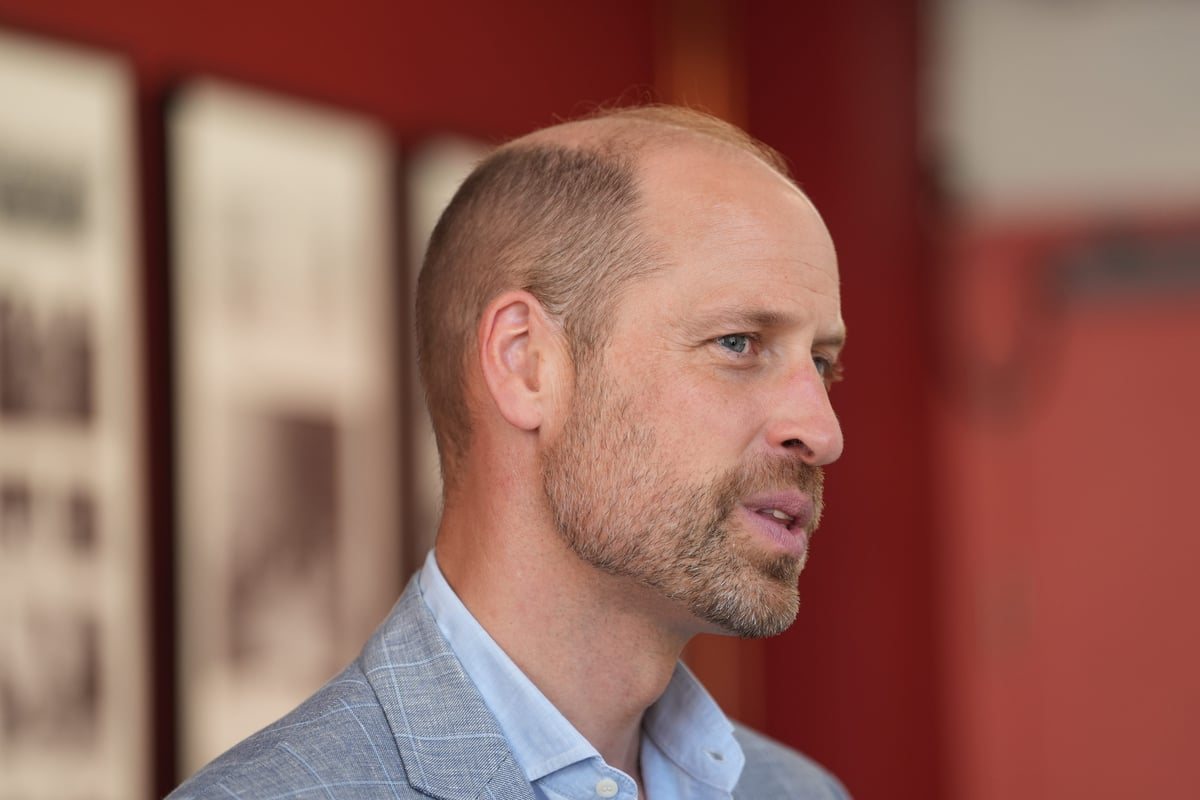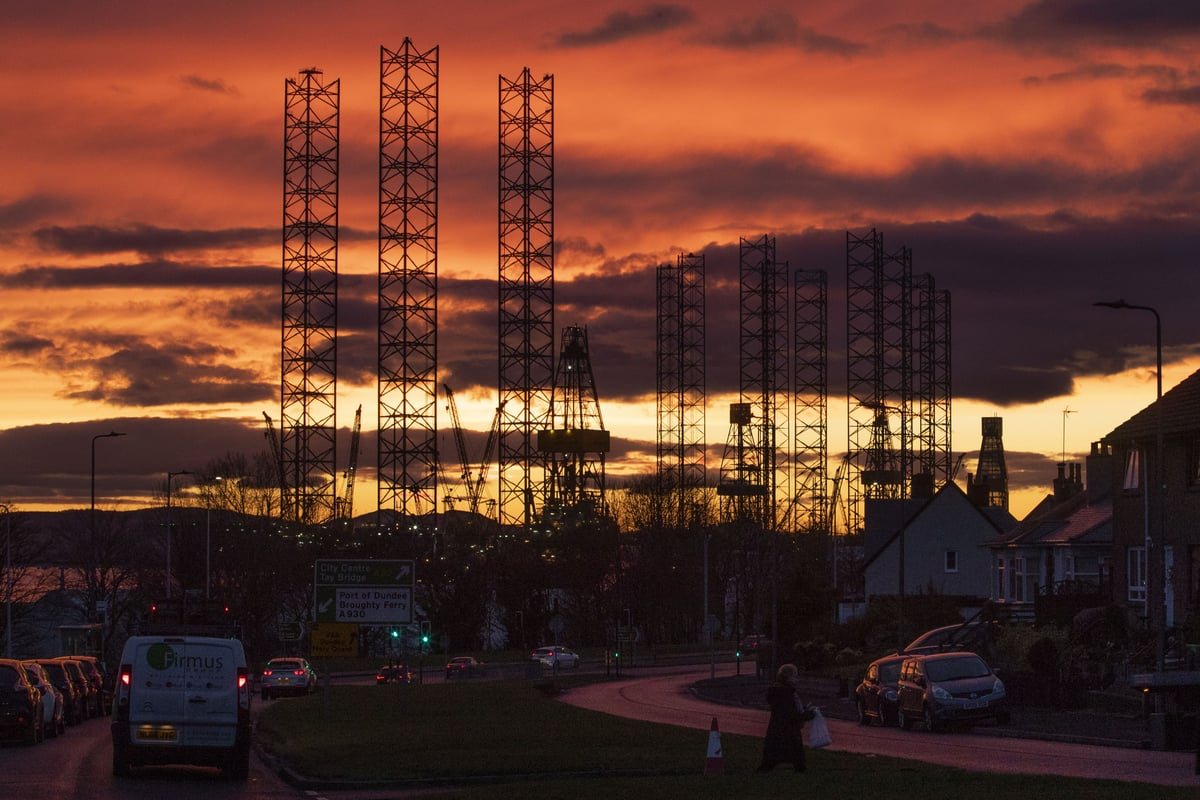
Scottish First Minister John Swinney has emphasised that the transition to a low-carbon economy must be a central consideration in decisions regarding new North Sea oil and gas projects. Speaking about the future of the basin, Swinney stressed that the climate crisis requires a fundamental rethinking of how the country balances energy security with its net-zero commitments.
The First Minister's remarks come as the UK and Scottish governments face mounting pressure to clarify their positions on fossil fuel extraction. Environmental groups have long called for a halt to new licences, arguing that continued exploration is incompatible with the Paris Agreement targets. Industry representatives, however, warn that a rapid shutdown could jeopardise jobs and energy supplies.
Swinney acknowledged the complexity of the issue, noting that the North Sea remains a significant source of employment and revenue for Scotland. He said the government must navigate a path that supports workers and communities while accelerating the shift to renewable energy. The First Minister did not announce any specific policy changes but indicated that the climate transition would be a decisive factor in future approvals.
The debate over North Sea oil and gas has intensified in recent months. The UK government has granted new licences under its strategy to bolster domestic energy production, a move criticised by climate activists and some opposition parties. Scotland, which has set ambitious targets to reach net-zero emissions by 2045, relies heavily on revenues from the North Sea.
Swinney's comments suggest a potential recalibration of the Scottish Government's stance. While previous administrations have supported the industry, the First Minister's emphasis on the climate transition signals a growing recognition of the need to align energy policy with environmental goals. He described the situation as a critical moment for the country.
The North Sea Transition Authority, which regulates the sector, has already introduced measures to ensure new projects meet strict emissions standards. However, campaigners argue that these steps are insufficient and that no new developments should be approved. The Scottish Government has also faced legal challenges over its climate plans, with courts ruling that existing policies are not robust enough to meet statutory targets.
Industry bodies have responded cautiously to Swinney's remarks. They argue that the North Sea can play a role in the transition by providing a bridge fuel while renewables are scaled up. The sector supports around 200,000 jobs across the UK, many of them in Scotland, and contributes billions of pounds in tax revenues. Any slowdown in new projects, they warn, could lead to deindustrialisation and increased reliance on imports.
Environmental organisations welcomed the First Minister's focus on the climate crisis but called for concrete action. Friends of the Earth Scotland said that words must be followed by a clear moratorium on new licences. Greenpeace UK urged the government to end what it called the era of fossil fuel expansion.
The issue is likely to feature prominently in the run-up to the next Scottish Parliament elections. Political parties are divided on the pace of the transition, with the Scottish Greens pushing for an immediate halt to new drilling, while the Conservatives and some Labour figures advocate a more gradual approach. Swinney's Scottish National Party has sought to position itself as a leader on climate action while defending the economic benefits of the North Sea.
Swinney's statement also comes amid broader global discussions about the future of fossil fuels. The International Energy Agency has repeatedly stated that no new oil and gas fields are needed if the world is to achieve net-zero emissions by 2050. The United Nations has urged governments to phase out fossil fuel subsidies and invest in clean energy.
For Scotland, the challenge is particularly acute. The country has vast renewable energy potential, especially in offshore wind and tidal power, but the transition requires significant investment in infrastructure and retraining programmes. Swinney acknowledged that the government must ensure that no community is left behind as the economy shifts away from fossil fuels.
The First Minister's remarks have reignited the debate over the North Sea's role in Scotland's future. As the world grapples with the escalating impacts of climate change, the decisions made in the coming months will have lasting consequences for the environment, the economy, and the lives of thousands of workers. Swinney's call to consider the climate transition as critical marks a notable moment in the ongoing discussion about how to balance these competing priorities.