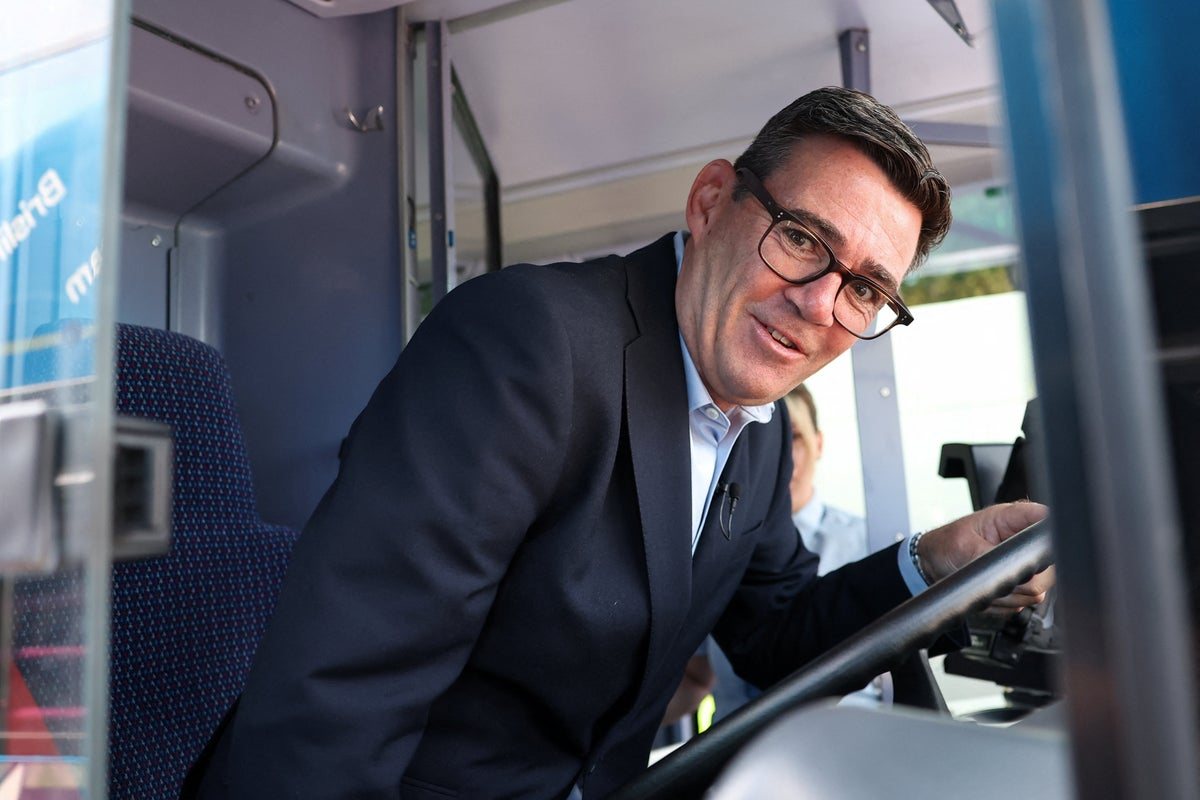
Greater Manchester Mayor Andy Burnham has come under fire from MPs and environmental campaigners after it emerged that his administration is using money originally earmarked for international climate aid to subsidise the region's £2 bus fare cap. The decision has been condemned as a short-sighted move that prioritises local transport policy over global climate responsibilities.
The £2 fare cap, introduced as a temporary measure to ease cost-of-living pressures for commuters, has been extended using funds drawn from Greater Manchester's climate change budget. This budget was previously allocated to support projects in developing countries, helping them adapt to the impacts of climate change and reduce their carbon emissions.
Critics argue that diverting climate aid undermines the UK's commitments to international climate finance and sends a damaging signal to vulnerable nations already struggling with the effects of global warming. Labour MP for Manchester Central, Lucy Powell, expressed her dismay, stating that «balancing the books on the backs of the world's poorest is the wrong choice.» She urged the mayor to find alternative funding sources that do not compromise climate justice.
Environmental groups have also voiced strong opposition. Friends of the Earth described the move as «a betrayal of the global community,» while Greenpeace UK called it «a deeply disappointing decision that prioritises short-term political gain over long-term environmental responsibility.» These organisations have called for an immediate reversal of the funding diversion and a renewed commitment to international climate aid.
The controversy highlights a broader tension between local transport priorities and global climate obligations. Burnham has defended the decision, arguing that the bus fare cap provides immediate financial relief to thousands of residents and encourages the use of public transport, which itself contributes to reducing carbon emissions. He emphasised that the funding was redirected within the framework of existing budgets and that the region remains committed to its overall climate goals.
However, critics counter that the logic is flawed. They point out that the climate aid was specifically designated for projects in countries that are most vulnerable to climate change but have contributed least to the problem. Redirecting these funds, they argue, not only breaks a moral commitment but also risks damaging the UK's reputation as a reliable partner in international climate negotiations.
The row comes at a time when the UK government is under increasing pressure to meet its climate finance pledges. The country has committed to providing £11.6 billion in international climate finance over five years, but campaigners say progress has been slow and that such local diversions could set a dangerous precedent.
Burnham's office has stated that the bus fare cap will remain in place for the foreseeable future, with a review scheduled to assess its impact on both ridership and the region's carbon footprint. The mayor has also indicated that he is exploring other funding mechanisms to restore the climate aid budget in the next financial year.
The situation has reignited debate about how local authorities balance competing priorities in an era of tight budgets and rising public expectations. While the £2 fare cap has been popular with passengers, the method of funding it has now placed Burnham at the centre of a political and environmental controversy that shows no signs of abating.