Ukraine’s Patriot Plan May Shift to a European Production Route
The emerging compromise would keep sensitive PAC-3 technology under U.S. control while moving more assembly and sustainment capacity onto European soil.
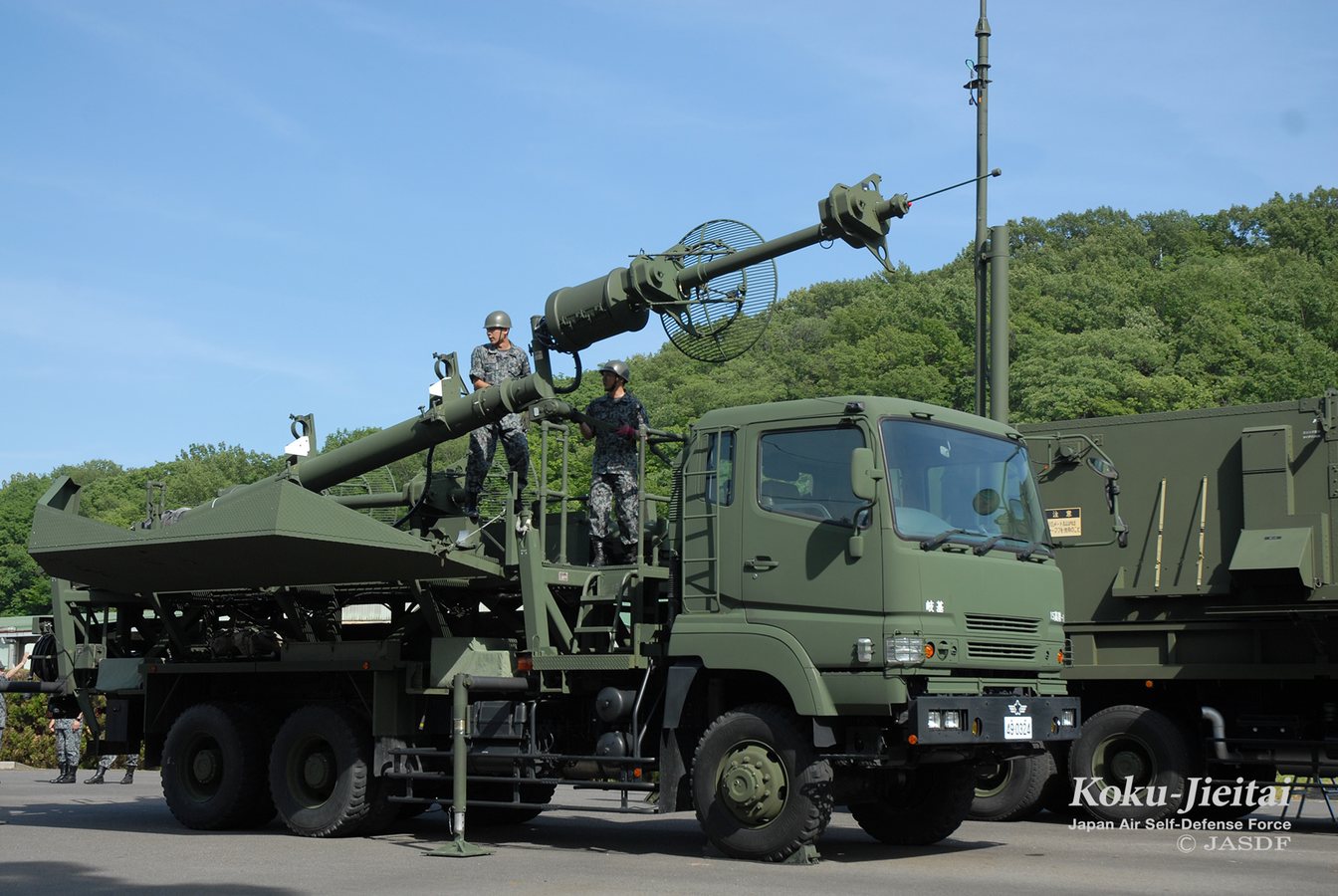
The route from an American Patriot factory to Ukrainian air defense may soon stop being a simple export line. The Telegraph reports that U.S. officials are considering a model in which interceptors for Ukraine are manufactured or assembled in Germany or another European country, partly because a major production facility inside Ukraine would be exposed to Russian strikes. The same debate is tied to Washington’s reluctance to release the most sensitive PAC-3 seeker technology.
Donald Trump opened the political route on 8 July when he told Volodymyr Zelenskyy that Ukraine would receive the right to manufacture Patriots. The announcement did not define whether production would be domestic, European or distributed. The Associated Press subsequently reported that a license could cover final assembly from imported kits or selected components without transferring every manufacturing process.
The central bottleneck described by The Telegraph is Boeing’s PAC-3 Ka-Band Active Radar Seeker. In the terminal phase, the seeker detects and tracks the target and provides guidance data for the hit-to-kill interceptor. Because it combines advanced radar, electronics and software in a militarily critical function, Washington treats the manufacturing package as highly sensitive.
A European route offers a way to separate several risks. It moves factories outside the direct Russian strike envelope, places them inside NATO industrial-security regimes and allows Ukraine to receive dedicated output without necessarily receiving every technical secret. The Telegraph says Under Secretary for Policy Elbridge Colby supports such a model. Colby’s public emphasis on European responsibility for conventional defense makes an expanded European missile-production network consistent with his broader policy line.
The continent already has several pieces of the route. Germany’s COMLOG partnership is expanding production of Patriot GEM-T under a NATO contract for up to 1,000 missiles. The GEM-T program is derived from PAC-2 and does not mean Germany already possesses the PAC-3 seeker manufacturing package. Separately, the United States, Germany, the Netherlands, Poland and Sweden agreed in July to explore a dedicated PAC-3 maintenance facility in Europe. Lockheed Martin is also expanding component supply chains across several European states.
The U.S. end of the chain is growing at the same time. Boeing is tripling seeker production under a seven-year framework and has invested more than $200 million in its Huntsville footprint. Lockheed Martin plans to increase PAC-3 MSE annual capacity from roughly 600 to about 2,000. That scale makes a distributed production network more practical because sensitive U.S. modules can be supplied in larger volumes to foreign integration sites.
The trade-off is speed. Every additional jurisdiction adds export approvals, certification, secure logistics and industrial coordination. AP cited a minimum of 18 to 24 months for a pilot line even with full component kits. Building in Europe may reduce physical risk without reducing bureaucratic complexity.
If Washington chooses this route, the Patriot license could become a template for a wider defense-industrial map: U.S. companies retain high-end technology, European sites take on assembly and sustainment, and Ukraine receives both weapons and gradually expanding manufacturing competence. The next negotiation will decide whether that network is designed as a temporary wartime workaround or as a permanent shift in how NATO produces missile defense.
73