
Russia’s patronal system is narrowing the route from loyalty to safety
Pladrom’s investigation connects prosecutions of war-industry executives and regional officials with the removal of Yabloko’s election list. The pattern is not a single purge but a system where access to power remains conditional.
Russian power has always depended on routes: routes to budgets, contracts, governors, security institutions and the presidential centre. Pladrom’s investigation shows how several of those routes became dead ends during 2025 and 2026.
The first route runs through the drone economy. Yuri Kozarenko, then chief executive of Transport of the Future, stood beside Vladimir Putin during a January 2025 visit to a Samara unmanned-aircraft production centre. Fifteen months later, Kozarenko was in pre-trial detention on a large-scale fraud charge. The allegation has not been publicly tied to the defence order, and no finding of guilt has been made. Yet the sequence captures the fragility of elite access: a place inside a flagship industrial project is not the same as durable protection.
Another route runs through procurement. Aerocom chief Viktor Yankov was detained in Buryatia in a case investigators linked to funds allocated for drone systems used in combat tasks. In Krasnodar, investigations into former regional officials later produced additional allegations connected to drone procurement. Russia’s accelerated military purchasing has created both strategic capacity and a large field for criminal enforcement.
The industrial route reaches the centre of the defence sector. Krasmash chief Alexander Gavrilov was arrested after registering for a United Russia preliminary vote. Uralvagonzavod deputy director Dmitry Semizorov was detained in a case involving a state defence order. His company argued that his absence could harm fulfilment of the order; prosecutors did not support detention. The court imposed it anyway.
The regional route is equally stark. Former Kursk governor Alexei Smirnov was sentenced to 14 years, his former deputy Alexei Dedov to 17, and former Bryansk deputy governor Alexander Petrochenko to 10. These are separate cases with different records, and they do not prove a centrally planned purge. What they do show is how little institutional shelter remains once a former office-holder moves from being an insider to being a defendant.
This is where the concept of patronal politics matters. In such a system, formal institutions still exist, but personal networks and selective enforcement become crucial mechanisms for allocating opportunity and risk. Loyalty can open the route to office, procurement or political participation. It does not guarantee that the route stays open.
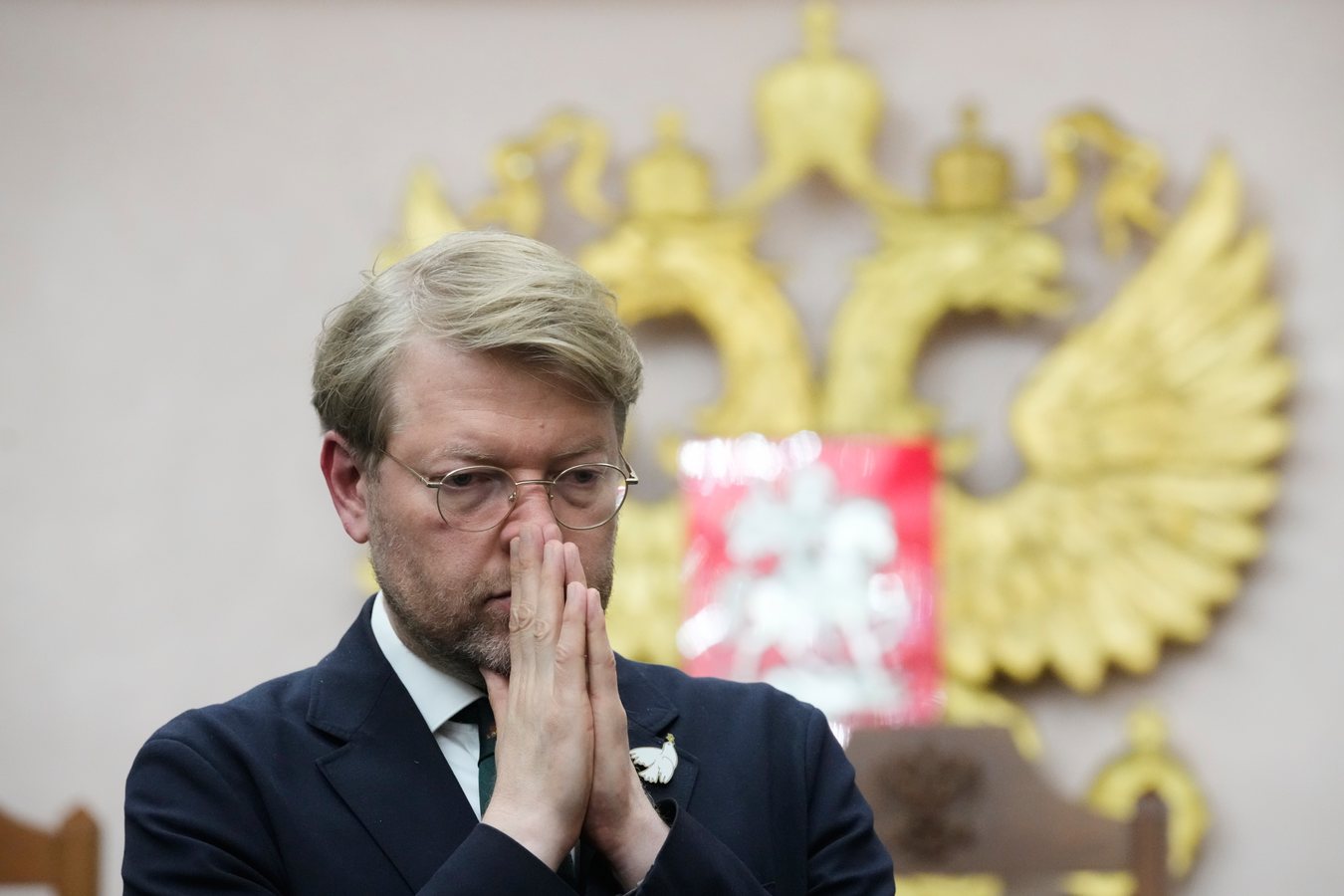
Yabloko illustrates the same dynamic in the electoral sphere. The party has not been banned as an organisation and remained legally registered. It obtained registration of its federal list for the September 2026 Duma election. Then, on 10 August, the Supreme Court cancelled that registration after a suit by Rodina. Yabloko announced an appeal.
Describing Yabloko simply as “Kremlin-controlled” would go beyond the available evidence. The more revealing point is that it operated as a permitted opposition party within a controlled political route. The state tolerated the organisation while restricting individual figures and setting the boundaries of electoral participation. The cancellation of the federal list suggests that those boundaries are becoming narrower.
Russia’s system therefore presents two forms of conditionality at once. For insiders, access to the war economy or governing apparatus does not guarantee legal safety. For a registered opposition party, legal existence does not guarantee electoral access. The route to power remains open only while the gatekeepers choose to keep it open.
59