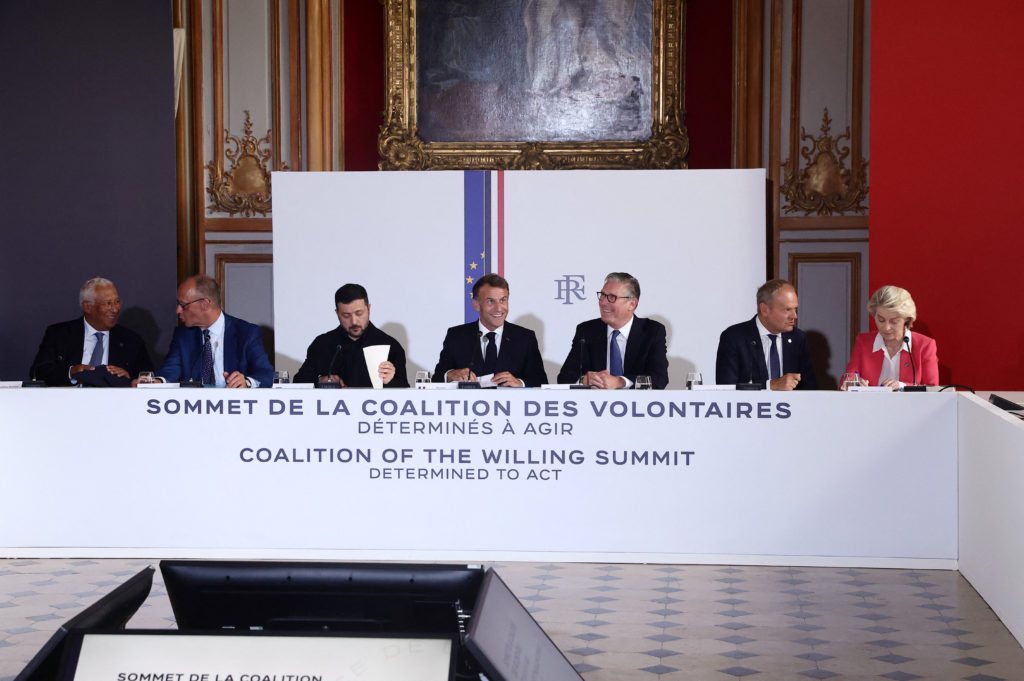
Ukraine and nine other countries have announced the formation of a coalition aimed at protecting Europe from ballistic missiles, drawing on Kyiv's extensive experience in countering Russian missile attacks. The initiative, unveiled during a meeting of European leaders in Paris, marks a significant step in continental defense cooperation amid the ongoing war in Ukraine.
The coalition brings together nations willing to pool resources, intelligence, and technology to develop a shared missile defense architecture. French President Emmanuel Macron hosted the gathering, which included leaders from the United Kingdom, Germany, and other European states, as part of broader efforts to strengthen European security. The announcement comes at a time when Ukraine has made notable advances on the battlefield, raising hopes that Moscow could be pushed toward negotiations.
Ukrainian President Volodymyr Zelenskyy has been a key advocate for the coalition, emphasizing that his country's firsthand knowledge of Russian missile tactics is invaluable. Since the full-scale invasion began in February 2022, Ukraine has faced thousands of ballistic and cruise missile strikes, forcing it to develop innovative countermeasures. These include the use of Western-supplied air defense systems such as the Patriot and NASAMS, as well as electronic warfare and drone-based interception methods.
The coalition's primary goal is to create a layered defense system capable of detecting, tracking, and neutralizing ballistic missiles before they reach their targets. Ballistic missiles, which follow a high-arcing trajectory and can travel at hypersonic speeds, pose a particular challenge due to their short flight times and limited reaction windows. European nations have long sought to close this gap, and Ukraine's operational experience is seen as a critical asset.
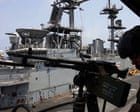
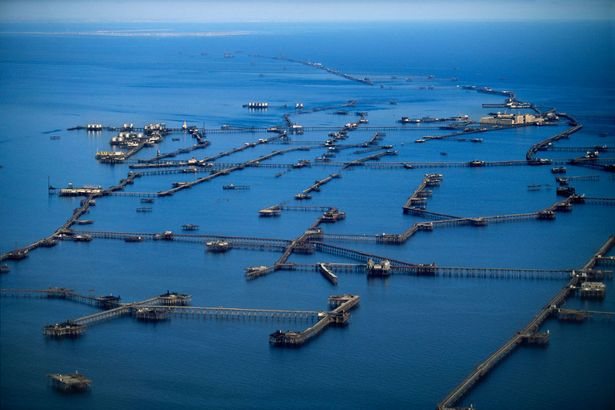
In parallel with the defense initiative, Ukraine has intensified its offensive operations against Russian military assets. According to reports, Russia has been forced to suspend shipping in the Sea of Azov after Ukrainian drones targeted 90 vessels in less than a week. This disruption highlights the growing effectiveness of Ukraine's asymmetric warfare capabilities, which include long-range drone strikes and naval drones that have repeatedly hit Russian warships and port infrastructure.
The coalition's formation also reflects a broader shift in European defense policy, with many countries increasing military spending and seeking closer integration. The war in Ukraine has exposed vulnerabilities in Europe's air and missile defense networks, prompting urgent calls for joint solutions. NATO has already begun deploying additional Patriot batteries along its eastern flank, but the new coalition aims to go further by establishing a dedicated European framework outside the alliance's existing structures.
Germany, a key participant, has pledged to contribute radar systems and interceptor missiles, while the United Kingdom has offered expertise in command-and-control systems. France, which has its own independent nuclear deterrent, is expected to provide strategic coordination. Other members include Poland, the Baltic states, and Nordic countries, all of which share a direct concern about Russian missile threats.
The coalition will also focus on information sharing and joint training exercises. Ukrainian air defense crews have already trained with their European counterparts, and this cooperation is expected to deepen. The goal is to create a seamless network where data from sensors in one country can be used to guide interceptors in another, effectively creating a single European air defense umbrella.
Experts note that the initiative faces significant technical and political hurdles. Integrating different national systems, ensuring interoperability, and securing long-term funding are major challenges. However, the urgency of the threat has galvanized support. Russia has repeatedly used ballistic missiles to target Ukrainian energy infrastructure and civilian areas, and European leaders fear that similar tactics could be used against their own countries in a future conflict.
The announcement has been welcomed by NATO, which sees the coalition as complementary to its own efforts. Jens Stoltenberg, the alliance's secretary general, has previously called for a more robust European pillar within NATO, and this initiative aligns with that vision. The coalition is expected to present a detailed roadmap within the next six months, outlining specific capabilities, timelines, and cost-sharing arrangements.
For Ukraine, participation in the coalition offers both strategic and symbolic benefits. It reinforces the message that Kyiv is not just a recipient of security but an active contributor to European defense. It also provides a platform for Ukrainian engineers and military planners to share lessons learned from the battlefield, potentially influencing the design of future systems.
The coalition's formation comes amid a broader diplomatic push to end the war. Macron and other leaders have expressed hope that Ukraine's recent advances could force Putin to the negotiating table. However, they also acknowledge that a strong defensive posture is essential to deter further aggression and ensure long-term stability in Europe.
As the coalition moves forward, its success will depend on sustained political will and the ability to translate battlefield lessons into practical defense solutions. With Ukraine's experience at its core, the initiative represents a new model of European security cooperation—one forged in the crucible of war.