A Russian soldier was violently thrown from a Soviet-era helicopter machine gun after the weapon spun out of control during what appeared to be an attempt to use it as a ground-based defense against Ukrainian drones. The incident, captured on video and supplied by East2West, shows the soldier struggling to control the four-barrel YakB-12.7 rotary gun mounted on an improvised platform before being dragged and flung several yards away. Another soldier can be seen ducking as the weapon swings in his direction. East2West reported that no one was injured, though Fox News Digital has not independently verified the location, date, or circumstances of the footage.
The YakB-12.7 was originally developed for use aboard the Soviet-designed Mi-24 Hind attack helicopter. Russian forces have reportedly attempted to repurpose such weapons as ground-based defenses against the growing threat of Ukrainian drones, which have become a central feature of the conflict. The incident underscores the risks of using aging military hardware in roles for which it was not designed, as both sides in the war search for effective ways to counter unmanned aerial vehicles.
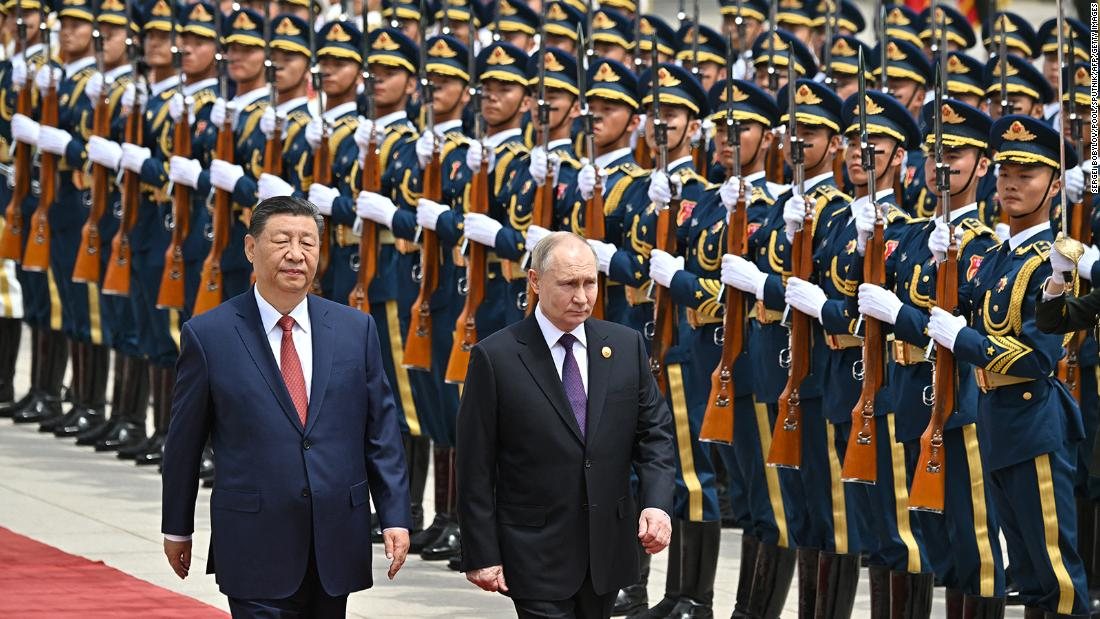
The video emerged as diplomatic and military developments continued to shape the broader conflict. President Donald Trump said in an interview with Fox News that he believes Russian President Vladimir Putin is ready to reach an agreement to end the war in Ukraine. “I say, ‘Vladimir, it’s time for you to stop. It’s time for this war to end,’” Trump told Fox News chief foreign correspondent Trey Yingst. Trump said he believed Putin was “ready to make a deal” to end the fighting, though no concrete progress toward a ceasefire has been reported.
On Wednesday, Russian Foreign Ministry spokeswoman Maria Zakharova warned that any multinational force deployed by Ukraine’s allies after a ceasefire would be regarded as a legitimate military target. “We would regard such units as legitimate military targets,” Zakharova said, according to Reuters. Members of the Western “coalition of the willing” reaffirmed at a meeting in Paris this week that they intend to deploy a multinational force after hostilities end, aiming to reassure Ukraine and help rebuild its military.
Fighting continued across Ukraine and Russian-occupied territory. Ukraine’s military said Wednesday that its forces struck the Balaklava thermal power station in Russian-occupied Crimea, a facility that accounts for nearly half of the peninsula’s electricity generation, according to Reuters. Russia, meanwhile, launched another major drone and missile attack against Ukraine’s southern Odesa region, killing three people, regional Governor Oleh Kiper said. He reported that civilian, industrial, and port infrastructure had been targeted during five consecutive days of Russian attacks.
Ukrainian President Volodymyr Zelenskyy said Wednesday that Ukraine expects to develop the technical capability to manufacture missiles for U.S.-made Patriot air-defense systems by the end of 2026. The statement signals Kyiv’s long-term commitment to strengthening its air defenses, which have been critical in countering Russian missile and drone strikes. The intensifying drone war has forced both militaries to search for additional ways to intercept unmanned aircraft, sometimes using weapons designed decades before modern drones emerged.
The incident with the YakB-12.7 machine gun is a stark reminder of the improvisation and risk that characterize the current phase of the conflict. As both sides adapt to the realities of drone warfare, the use of outdated equipment in new roles continues to pose dangers to soldiers on the ground. The broader war shows no signs of abating, with diplomatic efforts stalled and fighting intensifying in multiple regions.