
One Nation surges to top of Australian opinion polls
Australia's right-wing populist One Nation party has surged to 31% in the latest Newspoll, overtaking the governing Labor Party and the conservative coalition, signaling a major shift in the country's political landscape.
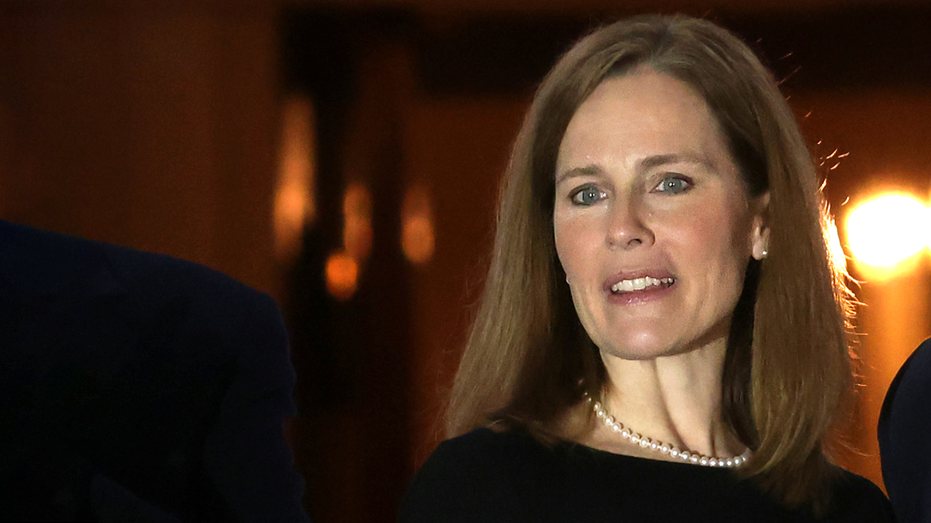
Australia's political landscape is experiencing a seismic shift as the right-wing populist One Nation party has surged to the top of national opinion polls, overtaking both the governing Labor Party and the conservative Liberal/National coalition. According to the latest Newspoll, widely regarded as the country's most accurate political survey, One Nation now commands 31% of voter support, while Labor stands at 30% and the coalition has plummeted to just 18%. The Greens remain steady at 11%.
This dramatic rise marks an extraordinary turnaround for a party that, at the last federal election in May 2025, secured only 6.4% of the primary vote and currently holds just two seats in the House of Representatives and four in the Senate. Founded in the late 1990s by its current leader Pauline Hanson, One Nation was long considered a fringe movement that never posed a serious threat to the two major parties that have alternated in power since the late 1940s.
The surge has drawn comparisons to the rise of Nigel Farage's Reform Party in the United Kingdom, with analysts noting that Australian politics appears to be following a similar trajectory. The conservative coalition is disintegrating, Labor is under increasing electoral pressure, and a significant number of disaffected voters are now willing to consider a right-wing populist party winning government for the first time.
Last week, Hanson was invited to speak at the National Press Club in Canberra for the first time in her career, a clear indication that One Nation has become a significant political force. During her address, she outlined a comprehensive populist program that includes abolishing multiculturalism in favor of a monocultural society, scrapping the Human Rights Commission, ending government funding for the ethnic television station SBS, abandoning net-zero emissions targets, ending subsidies for renewables, and promoting nuclear energy alongside coal and gas exploitation.
Her platform also calls for ending mass immigration, passing more restrictive abortion laws, opposing wage increases for ordinary workers, abolishing certain workers' rights, and eliminating transgender rights. This is a far more detailed policy agenda than the party has previously presented, and while some aspects have drawn praise, much of it remains highly controversial.
The poll data reveals that disenchantment with both mainstream parties is the primary driver behind One Nation's rise. Nearly 70% of voters surveyed expressed the view that the mainstream parties that built the current mess are not capable of fixing it, and that Australian politics is overdue for a major shake-up. This dissatisfaction is rooted in the failure of successive governments to alleviate the cost-of-living crisis that has impoverished many Australians over the past two decades.
Both Labor and the coalition have remained committed to policies that have become increasingly unpopular, including net-zero targets, mass immigration, multiculturalism, transgender rights, and support for America's foreign military engagements. Critics argue that these policies have exacerbated the cost-of-living crisis and eroded social cohesion, creating fertile ground for a populist alternative that promises to reverse them and restore cultural unity.
The collapse of the conservative coalition as a viable governing force has also fueled One Nation's ascent. The coalition has been deeply divided for over a decade over net-zero, immigration, and culture war issues. These internal divisions have only worsened as the party debates whether to attack Hanson's policies or embrace them in hopes of forming an electoral alliance. Progressive coalition voters have defected to Teal independents who firmly support elite policies like net-zero, while conservative voters have shifted to One Nation.
As the coalition has bled support to both the left and the right, wealthy donors who once backed it have redirected their funds to One Nation. Billionaire mining magnate Gina Rinehart, a prominent supporter of Donald Trump, has become One Nation's most generous financial backer and recently purchased a private jet for Hanson to use on the campaign trail. The party now has more resources than ever before to mount a nationwide campaign for seats in the House of Representatives.
The rise of One Nation raises fundamental questions about the future of Australian democracy. If the party continues to gain momentum, it could fundamentally alter the country's political dynamics, potentially forcing a realignment that has not been seen in decades. Whether this surge translates into actual seats at the next election remains to be seen, but the current polling suggests that Australian voters are increasingly open to alternatives outside the traditional two-party system.