
French Police Investigate Possible Sabotage After Normandy Train Derailment Injures 44
A train carrying 186 passengers derailed in Normandy on Friday evening, injuring 44 people. French police are investigating whether sabotage caused the incident, which has raised concerns about rail safety and security.
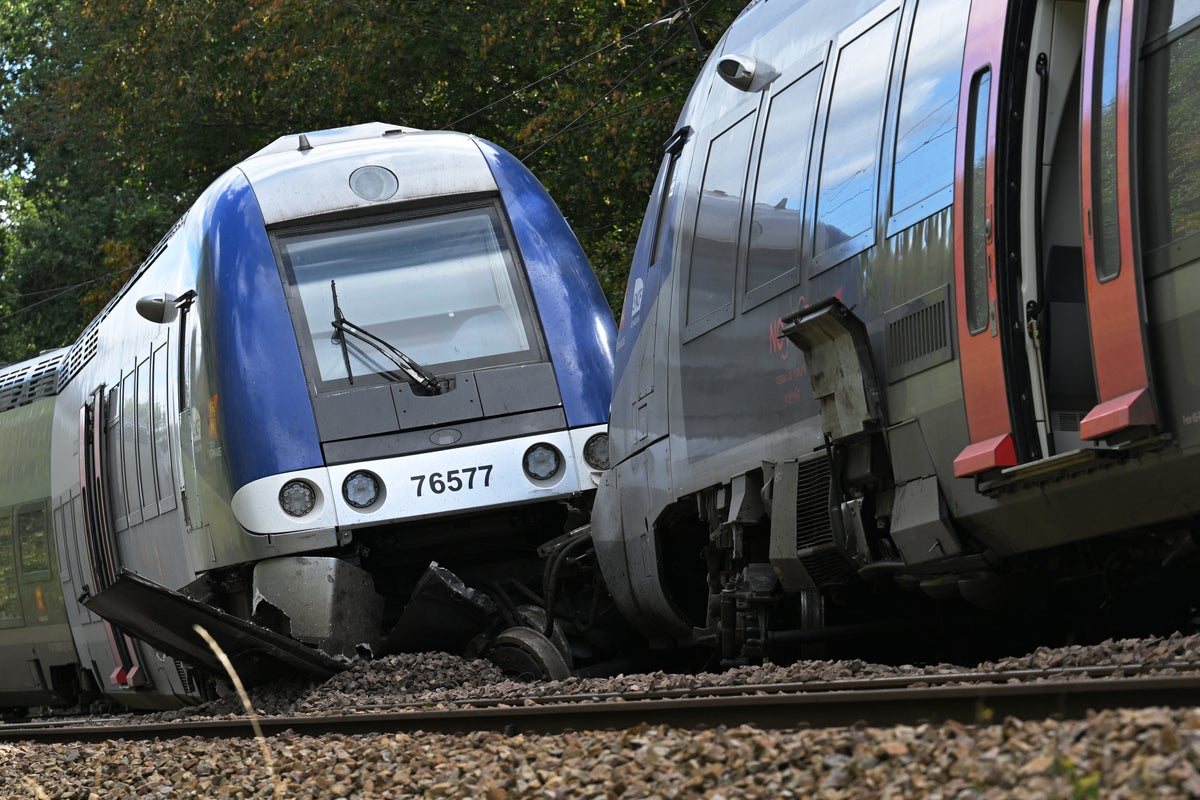
French authorities have launched an investigation into a train derailment in Normandy that left 44 people injured, with police examining the possibility that the incident was caused by sabotage. The train, which was carrying 186 passengers, came off the tracks on Friday evening, according to officials.
The derailment occurred in the Normandy region, though the exact location and the train's operator have not been fully detailed in initial reports. Emergency services responded to the scene, and the injured were treated for various injuries, none of which have been reported as life-threatening. The condition of the passengers and the extent of their injuries remain under assessment.
Investigators are focusing on whether the derailment was the result of deliberate interference with the railway infrastructure. The possibility of sabotage has not been confirmed, but police are treating it as a serious line of inquiry. No group or individual has claimed responsibility, and no arrests have been announced.
The incident has prompted concerns about the security of France's rail network, which is a critical part of the country's transport infrastructure. The Normandy region is a key corridor for both passenger and freight traffic, and any disruption can have significant economic and social impacts. Authorities have not yet indicated whether the derailment was an isolated event or part of a broader threat.
France has experienced previous incidents of railway sabotage, including during periods of social unrest and protests. In recent years, the national rail operator SNCF has reported acts of vandalism and deliberate obstruction on its network. However, the scale and consequences of this derailment are notable, given the number of passengers involved and the injuries sustained.
The investigation is being led by French police, who are working to determine the cause of the derailment. They are examining the track, the train's mechanical systems, and any evidence of external interference. Forensic teams have been deployed to the site, and investigators are reviewing surveillance footage and witness statements.
Passengers on board described a sudden and violent jolt as the train left the tracks. Some were thrown from their seats, and panic ensued as people tried to evacuate. Emergency responders arrived quickly, setting up a triage area and transporting the injured to nearby hospitals. Local authorities have praised the swift response of emergency services.
The derailment has also raised questions about the safety protocols in place on France's railways. While the network is generally considered safe, incidents of this nature can undermine public confidence. The government has not yet issued a formal statement on the investigation, but officials are expected to provide updates as more information becomes available.
Sabotage on railway networks is a tactic that has been used in various countries to disrupt transport and draw attention to political or social causes. In France, there have been instances where activists have targeted rail infrastructure during protests against government policies. However, it is too early to speculate on the motive behind this incident.
The injured passengers are receiving medical care, and support services have been offered to those affected. The train has been secured, and the track is being examined by investigators. Services on the line may be disrupted while the investigation continues.
French police have urged anyone with information to come forward. They are particularly interested in any suspicious activity near the tracks before the derailment. The investigation is ongoing, and further details are expected in the coming days.
The incident underscores the challenges of protecting extensive rail networks from deliberate acts of interference. As authorities work to establish the facts, the focus remains on the injured and ensuring the safety of the travelling public.
74