
Ex-Foreign Office chief launches legal challenge over sacking in Mandelson vetting row
Sir Olly Robbins, former top civil servant at the Foreign Office, has launched a legal challenge against his dismissal by Prime Minister Sir Keir Starmer following the Peter Mandelson US ambassador vetting scandal.
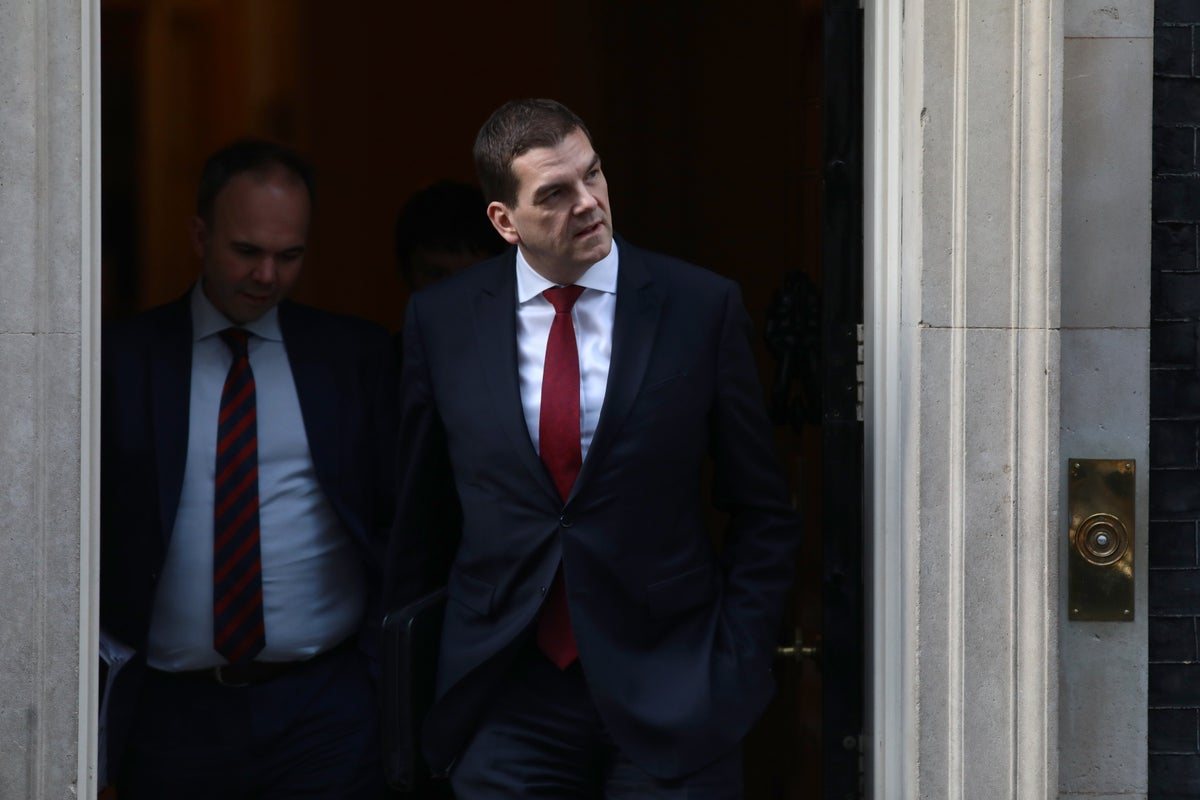
Sir Olly Robbins, the former top civil servant at the Foreign Office, has initiated a legal challenge against his dismissal by Prime Minister Sir Keir Starmer, a move that escalates the political fallout from the Peter Mandelson vetting scandal. The FDA union, which represents senior civil servants, confirmed on Tuesday that Sir Olly has submitted a formal legal claim over his sacking, arguing that the decision was unjust and politically motivated.
The dispute stems from the revelation that Peter Mandelson, a former Labour cabinet minister and close ally of Sir Keir, did not pass crucial security checks required for his proposed appointment as British ambassador to the United States. Sir Olly, who served as the permanent under-secretary at the Foreign, Commonwealth and Development Office, was dismissed after it emerged that he had been involved in the vetting process for Mandelson, though the exact nature of his role remains contested.
The FDA union has publicly backed Sir Olly, calling on the prime minister to «admit that sacking Olly was a mistake». A union spokesperson stated that the dismissal appeared to be a «scapegoating exercise» designed to deflect blame from higher-ranking officials who approved the vetting process. The union has also raised concerns about the handling of the case, suggesting that Sir Olly was not given a fair opportunity to respond to the allegations before his termination.
Sir Olly Robbins is a highly respected figure in the British civil service, having served as the UK’s chief Brexit negotiator under former Prime Minister Theresa May before taking the top role at the Foreign Office. His dismissal has sparked criticism from opposition politicians and civil service advocates, who argue that it undermines the principle of impartiality in the senior ranks of government. Some have questioned whether the prime minister acted on the basis of incomplete or misleading information about Sir Olly’s role in the Mandelson affair.
The legal challenge is expected to focus on the procedural fairness of the dismissal, with Sir Olly’s legal team likely to argue that the decision breached employment law and civil service codes. The case could also examine the extent to which political considerations influenced the sacking, given the sensitivity of the Mandelson appointment and the prime minister’s personal involvement in the matter. Downing Street has declined to comment on the legal proceedings, citing the ongoing nature of the case.
The Mandelson vetting scandal has already caused significant embarrassment for the government. Peter Mandelson, a veteran Labour figure and former European trade commissioner, was widely expected to be appointed as ambassador to Washington, a key diplomatic post. However, it emerged that he had failed to pass the necessary security clearance, raising questions about the vetting procedures and who was responsible for the oversight. The affair has also strained relations between the government and the civil service, with some officials expressing concern about political interference in appointments.
Sir Olly’s legal challenge adds a new dimension to the controversy, potentially forcing the government to defend its decision in court. Legal experts suggest that the case could set a precedent for how senior civil servants are disciplined in politically sensitive situations. If Sir Olly succeeds, it could lead to calls for reforms to the dismissal process for top officials, ensuring greater transparency and accountability.
The FDA union has indicated that it will continue to support Sir Olly throughout the legal process, which is likely to take several months. In a statement, the union said: «We believe that Sir Olly was treated unfairly and that his dismissal was not based on a proper assessment of the facts. We urge the prime minister to reconsider his decision and to engage in a constructive dialogue to resolve this matter.»
The case has also drawn attention to the broader challenges facing the civil service under the current government. Critics argue that the increasing politicisation of senior appointments risks undermining the effectiveness and independence of the civil service. Supporters of the government, however, maintain that the prime minister has the right to hold senior officials accountable for failures in their areas of responsibility.
As the legal challenge proceeds, the spotlight will remain on Sir Keir Starmer and his handling of the Mandelson affair. The prime minister has faced questions about his judgment in nominating Mandelson for the ambassador role without ensuring that the vetting process was completed properly. The opposition has called for a full inquiry into the matter, but the government has so far resisted such demands, arguing that internal processes are sufficient to address any shortcomings.
For now, Sir Olly Robbins’s legal action ensures that the controversy will not fade quietly. The outcome of the case could have lasting implications for the relationship between the government and the civil service, as well as for the careers of those involved in one of the most contentious diplomatic appointments in recent British history.