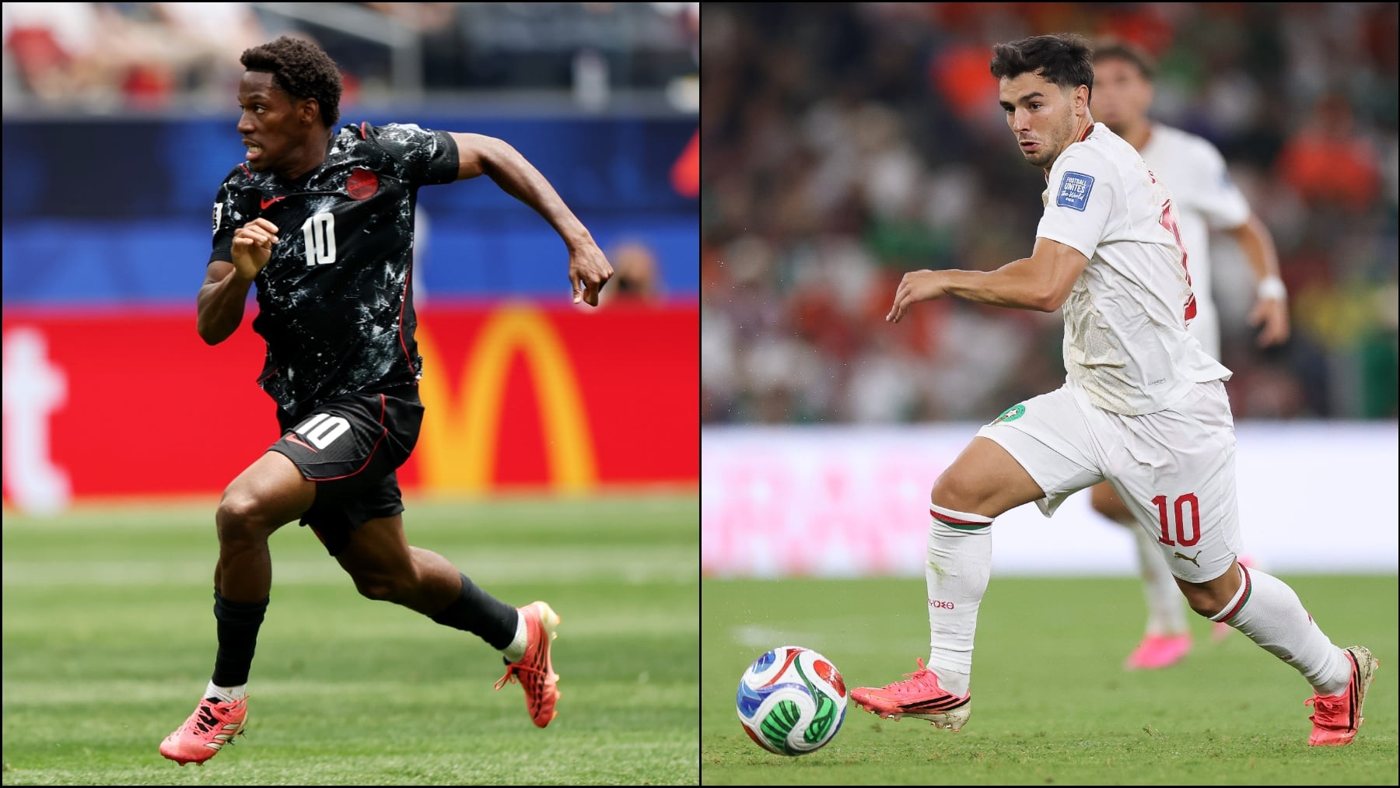
The 2026 World Cup round of 16 began with a compelling matchup between Canada and Morocco, played at the NRG Stadium in Houston on Saturday evening. The game, which kicked off at 19:00 local time, pitted one of the tournament's co-hosts against a team that reached the semifinals in Qatar 2022. For Canada, the match carried extra significance as it was forced to play away from home after finishing second in its group, losing the right to host the knockout stage on home soil.
Canada entered the round of 16 after a narrow victory over South Africa in the previous round, a performance that raised questions about its consistency. Despite showing promise during the group stage, the Canadian side struggled against a weaker opponent, leaving fans and analysts uncertain about its ability to compete against a more experienced Moroccan team. Morocco, meanwhile, advanced after a dramatic penalty shootout win against the Netherlands, a result that led to the resignation of Dutch coach Ronald Koeman. The African side has been buoyed by its historic run four years ago and is eager to prove that performance was no fluke.
Key players to watch included Canadian forward Jonathan David, who has scored three goals so far in the tournament, and Moroccan striker Ismael Saibari, also with three goals, who recently signed for Bayern Munich. Both players have been instrumental for their teams, and their form was expected to be decisive in this encounter. The match was officiated by English referee Michael Oliver, a veteran of the Premier League, with Jarred Gillett handling VAR duties.
The atmosphere in Houston was festive, as the game coincided with the United States' Independence Day on July 4. Fans from both nations filled the stadium, with Canadian supporters making the journey from Vancouver, a four-hour flight away, to cheer on their team. The Canadian contingent expressed disappointment at not being able to host the match, but remained hopeful that their team could pull off an upset against a Moroccan side widely considered the favorite.
Morocco's squad, featuring players like Achraf Hakimi, Brahim Díaz, and Noussair Mazraoui, brought a blend of experience and talent that has made them a formidable opponent. Canada, on the other hand, relied on a younger lineup, including defenders like Luc de Fougerolles and midfielders such as Stephen Eustaquio, to challenge the Moroccan defense. The tactical battle was expected to be intense, with Morocco's disciplined structure facing Canada's energetic and direct style of play.
The winner of this match was set to face the victor of the Paraguay-France game later that evening, adding further stakes to an already high-pressure encounter. As the tournament progresses, both teams understood that every match could be their last, and the round of 16 represented a critical step toward the quarterfinals. For Canada, a win would mark a historic achievement, while Morocco aimed to build on its recent success and cement its status as a rising force in international football.
Beyond the immediate result, this match highlighted the broader dynamics of the 2026 World Cup, which is being co-hosted by the United States, Canada, and Mexico. The tournament has already seen several surprises, and the round of 16 promised more drama as teams vied for a place in the later stages. With the world watching, Canada and Morocco delivered a contest that reflected the passion and unpredictability of the sport.