
Fewer Than Half of Grammar School Pupils Are White British, New Figures Show
Newly published data reveal that white British pupils now make up less than half of grammar school intakes, prompting a head teacher to warn that some families fear children will be 'hot-housed' if they win a place.
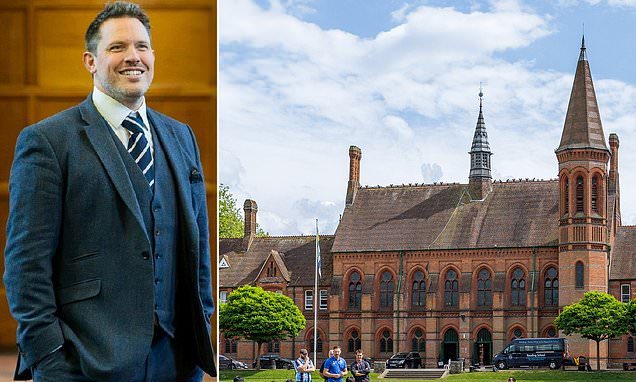
White British pupils now account for fewer than half of those attending grammar schools in England, according to newly published figures that underline how the selective sector's intake has shifted. The data show that the long-standing association between grammar schools and white British families has weakened, with pupils from a wider range of ethnic backgrounds now making up the majority of places.
The disclosure has prompted a head teacher to describe the anxiety that some families feel about the selective system. According to the head, parents worry that a grammar school place will mean their child is 'hot-housed' — pushed through an intense, exam-focused regime rather than given room to develop at a more natural pace. That concern, the head suggested, may deter some families from pursuing entry at all, even when their children are academically able.
The figures are significant because grammar schools remain one of the most contested features of the English education landscape. Only a minority of local authorities still operate selective schools, and entry is determined largely by performance in the eleven-plus and related tests. Because those tests reward preparation, families with the time and money to invest in tutoring have a structural advantage, a factor that has long shaped debate about who actually gains from selective education.
The changing ethnic composition of grammar school rolls reflects broader demographic change across England. Areas that retain grammar schools have seen their populations diversify over recent decades, and pupils from Indian, Chinese, Bangladeshi, Pakistani, African and other backgrounds now compete successfully for places. For many of these families, selective schooling is viewed as a route to academic achievement and social mobility, and the eleven-plus is approached as a serious undertaking rather than an optional extra.
At the same time, the head teacher's remarks point to a less discussed dimension of the debate: the perception among some white British families that grammar schools are no longer environments they recognise or want. Whether that perception is driven by concerns about academic pressure, by the logistics of the admissions process, or by a sense that the schools have changed, it has consequences for the social mix of the sector.
The figures also raise questions about the purpose of selective education. Defenders argue that grammar schools offer a rigorous academic environment that stretches able pupils and provides a ladder for children from less advantaged homes. Critics counter that the system entrenches advantage, because coaching and preparation determine outcomes, and that the eleven-plus measures prior access to resources as much as raw ability.
Concerns about 'hot-housing' sit awkwardly alongside both positions. If families believe that a grammar place will subject their child to relentless pressure, the appeal of the sector narrows, and the schools may find themselves drawing from a smaller pool of applicants. That in turn affects the character of the intake and the wider claim that grammar schools serve their local communities.
The new figures are likely to feed into an already polarised argument about selection. Campaigners who want to see grammar schools expanded will point to the diversity of current pupils as evidence that the system is open to talent from all backgrounds. Opponents will argue that the data show a sector increasingly detached from the communities it was originally built to serve, and that the anxiety described by the head teacher is a symptom of a system that places too much weight on a single test at the age of ten or eleven.
For parents, the practical question remains unchanged: whether to enter a child for selective tests, and what kind of education they want that child to receive. The head teacher's warning suggests that the answer is no longer straightforward for many families, and that the reputation of grammar schools as a universally desirable destination is more fragile than it once appeared.