
Trump, Musk and the Politics of Strategic Interdependence
The repaired Trump-Musk relationship links electoral money, space infrastructure, AI, China and federal power — making their private détente a matter of public strategy.
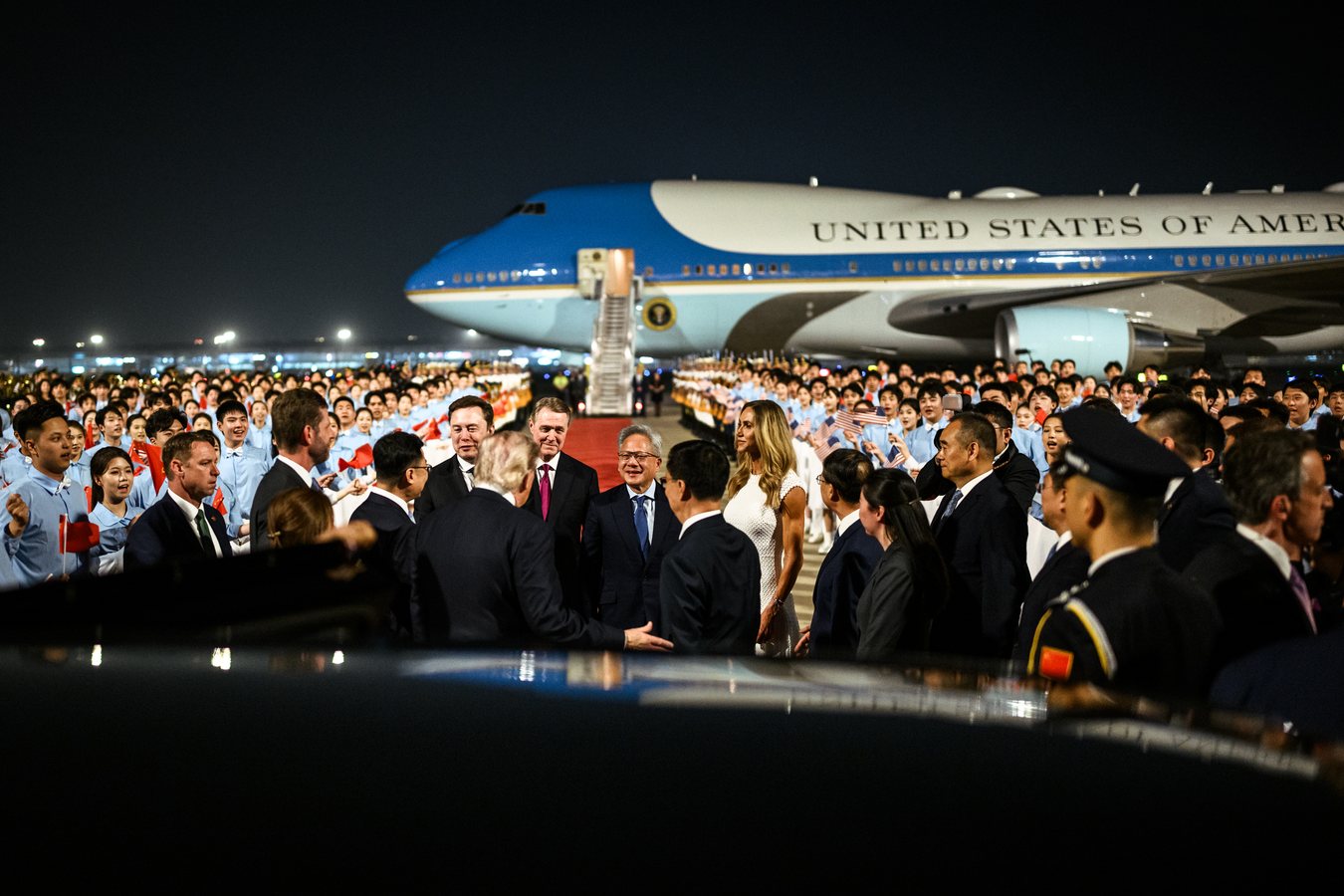
The most consequential feature of the Donald Trump-Elon Musk relationship is not its volatility but its strategic interdependence. Trump controls the American presidency and the Republican political machine. Musk controls companies embedded in space launch, satellite communications, electric vehicles and artificial intelligence, as well as a major political financing network and the social platform X. When the relationship collapsed in June 2025, the dispute immediately touched federal contracts and space infrastructure. When it recovered in 2026, the repair quickly extended to elections, China and AI.
Their history began from opposite positions. Musk rejected Trump as a presidential choice in 2016, then joined business advisory councils after the election before resigning over the Paris climate accord. In 2020, Trump praised Musk and supported Tesla’s factory reopening fight. In 2022, the two traded insults. In 2023, Musk hosted Ron DeSantis’s presidential launch, briefly giving a platform advantage to Trump’s principal Republican challenger.
The geopolitical dimension emerged after Musk endorsed Trump following the July 2024 assassination attempt. Their August conversation on X covered immigration, energy and the structure of government, with Musk proposing an efficiency commission. The entrepreneur then joined Trump’s Butler rally and spent at least roughly $250 million supporting Trump and allied Republican activity.
The partnership entered the state itself after the election. Trump announced the DOGE project and later created the U.S. DOGE Service by executive order. Musk was a White House employee and senior adviser but, according to a White House court filing, not the DOGE administrator and not an official with independent decision-making authority. The formal limitation did not diminish his practical proximity to power.
That proximity mattered because Musk’s companies intersect with the government in unusually sensitive fields. The March 2025 White House Tesla showcase demonstrated political support for one of his commercial brands. The June conflict exposed the other side. After Musk attacked Trump’s tax-and-spending legislation, Trump threatened federal contracts and subsidies. Musk briefly threatened to decommission Dragon, a spacecraft integral to U.S. access to the International Space Station, before reversing himself.
The dispute also became personal and political. Musk backed impeachment and posted an unsubstantiated claim involving Trump and Epstein-related files, later deleting it. He subsequently said some of his posts had gone too far. In July he announced an America Party, suggesting he might build a political vehicle outside the Republican system.
That route was abandoned as strategic incentives reasserted themselves. JD Vance and Susie Wiles maintained communication with Musk. The public thaw began with a meeting at Charlie Kirk’s memorial in September 2025 and continued with Musk’s attendance at a White House dinner in November. In early 2026, Musk gave $10 million to the main Republican Senate and House fundraising vehicles.
The clearest sign of restored strategic coordination came in May 2026. Musk traveled with Trump on Air Force One to Beijing. The White House photographed Trump introducing him to Chinese officials. According to The Wall Street Journal, Musk told Trump he planned to help Republicans in the midterms. Their calls now cover China, AI and global events — subjects central both to U.S. state strategy and Musk’s corporate interests.
America PAC’s planned investment of at least $100 million in Republican turnout makes the electoral side explicit. Yet the relationship is no longer framed as unconditional loyalty. Musk says he became too involved in politics; Trump has privately indicated the old closeness will not return.
That may make the new arrangement strategically clearer. They do not need to trust each other completely. They need stable communication across areas where their interests overlap: elections, technology, regulation, space and international competition. The next rupture, if it comes, would therefore be more than celebrity drama. It would test a network that now runs through key parts of American political and technological power.
60