Mahmood Signals Flexibility on Care Worker Visa Reforms
The Home Secretary has told the Labour conference she is considering changes to indefinite leave to remain rules that unions and cabinet colleagues say unfairly penalise foreign care workers.
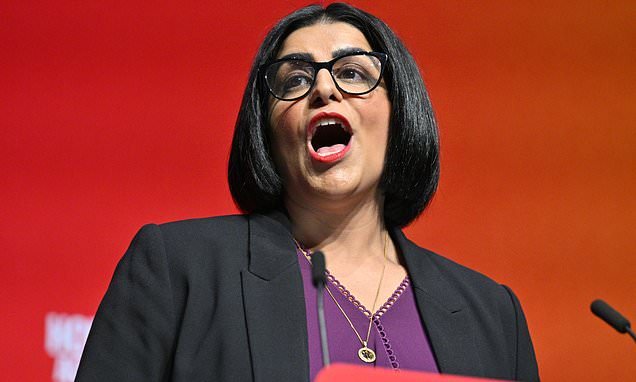
Home Secretary Shabana Mahmood has indicated she is prepared to soften her plans to make it harder for foreign workers to claim permanent residence in the UK, after acknowledging that the reforms have been criticised as unfair. In a speech to the Labour party conference, she said the government would reach a position that balances fairness for those who came to the country legally with fairness to British citizens.
The proposals concern the route to indefinite leave to remain, which currently allows many migrant workers — including a significant number in the adult social care sector — to settle permanently after a qualifying period. Mahmood's plans would tighten those rules, a move that has drawn opposition from within her own cabinet and from trade unions representing care staff.
Addressing delegates, the Home Secretary said she recognised that «some have said elements of these reforms are not fair». She added that the government would «come to a position that balances fairness for those who came here legally and fairness to British citizens across this country». The remarks were widely interpreted as a signal that the final policy could be diluted before it is implemented.
The pressure on Mahmood has been building for weeks. Cabinet colleagues have reportedly urged her to reconsider the scope of the changes, while unions have warned that restricting settlement rights would worsen chronic staff shortages in care homes and leave vulnerable people without support. The Home Office has not yet published detailed regulations, and the consultation period has given critics room to lobby for amendments.
Outside the conference venue in Liverpool, hundreds of care workers joined a demonstration demanding that the proposed settlement plans be abandoned. The protest underlined the political sensitivity of the issue for a Labour government that relies on both union support and a promise to manage migration effectively.
Mahmood's speech also touched on other aspects of the government's immigration policy. She announced new routes for refugees to come to the UK, a measure intended to provide safe and legal alternatives to dangerous Channel crossings. In a separate passage, she spoke of her «revulsion and fear» at the sight of masked racists, a reference to recent public disorder that has heightened tensions around migration debates.
The Home Secretary's comments at conference do not constitute a formal policy change. Any alteration to the indefinite leave to remain rules would require new immigration rules laid before Parliament, and the timing of such a move remains unclear. Officials have stressed that no final decision has been taken.
For care workers and their employers, the uncertainty is already having an effect. Recruitment agencies report that some overseas staff are delaying decisions about coming to the UK until the rules are clarified. Sector leaders argue that any restriction on settlement rights would make it even harder to fill vacancies in a workforce that is heavily reliant on international recruitment.
Politically, the episode highlights the balancing act facing the government as it tries to reduce net migration while maintaining public services that depend on migrant labour. Mahmood's willingness to listen to critics may buy time, but it also risks fuelling accusations of weakness from those who want tougher controls. The coming weeks are likely to see further lobbying from both sides before the government settles on its final position.
6