COP31 climate talks near final deal, summit president says
The president of the COP31 UN climate summit in Antalya, Turkey, says negotiators are close to a final agreement as talks run into overtime.
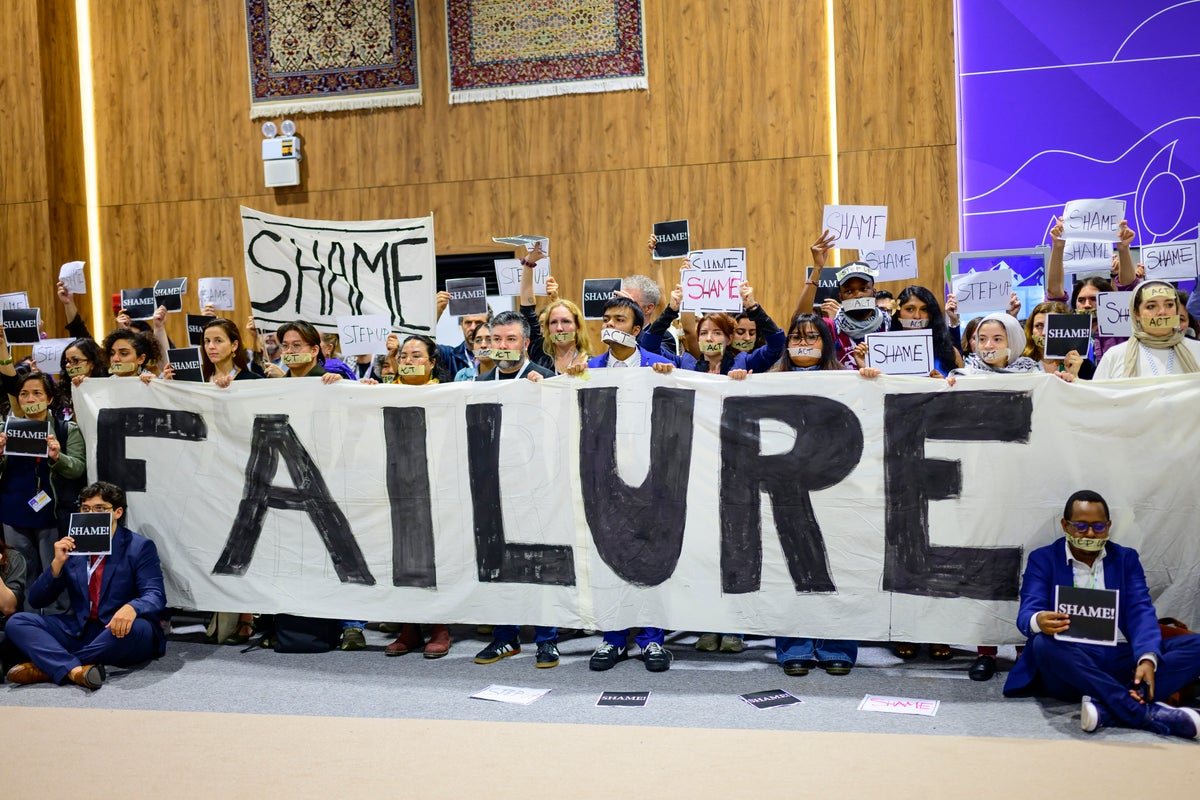
The president of the COP31 UN climate summit in Turkey has said negotiators are close to a final agreement, even as the talks run into overtime. The conference, held in Antalya, had been expected to conclude on schedule, but delegates are now working beyond the official deadline to close the remaining gaps.
Hopes had been raised that a year marked by severe climate disasters around the world might push governments toward more ambitious commitments. Extreme weather events in recent months have hit communities across several regions, and many delegates have argued that these impacts should sharpen the focus of the negotiations. The primary source summarised the mood of the summit with a single line: it had been hoped that the disasters would help sharpen minds in Turkey, which is now into overtime. Whether that pressure has translated into concrete compromises is still being tested in the final hours of the summit.
BBC climate editor Justin Rowlatt has reported from the COP 31 UN climate summit in Antalya on the question of whether the conference will produce a new global climate deal. His coverage places the talks within the wider international effort to cut greenhouse gas emissions and to help vulnerable countries cope with the consequences of a warming planet. The question he put to viewers, whether COP31 will end with a new global deal, reflects how much the outcome is being awaited beyond the negotiating rooms.
The COP process brings together national governments under the United Nations framework to set shared goals and track progress. Each summit typically ends with a negotiated text that must be agreed by consensus, which is why late-running sessions are common when disagreements persist over financing, emissions targets or the pace of the transition away from fossil fuels. Because every participating government has a veto over the final text, a single unresolved issue can keep the entire conference open after its scheduled close.
The summit president's assessment that a deal is within reach suggests that core differences have narrowed, though officials have not publicly detailed every outstanding point. Observers will be watching whether the final text includes firm commitments on emissions reductions and support for developing nations, areas that have long divided negotiating blocs. Any agreement would be judged against the scale of the climate challenge and the expectations set by recent disasters, and the credibility of the process itself will depend on whether the text carries concrete obligations rather than general pledges.
If delegates confirm a final package before the talks formally close, it would mark the conclusion of a summit that began with high hopes and ends under the pressure of time and competing national priorities. If they do not, the overtime session will have ended without the breakthrough that many had anticipated from a year of climate disasters.
Source: independent.co.uk
9