Pet influencers are earning thousands per post as animal accounts grow into big business
Internet-famous pets and the people who run their accounts are turning animal content into a lucrative business, with some influencers reportedly earning thousands of pounds for each sponsored post.
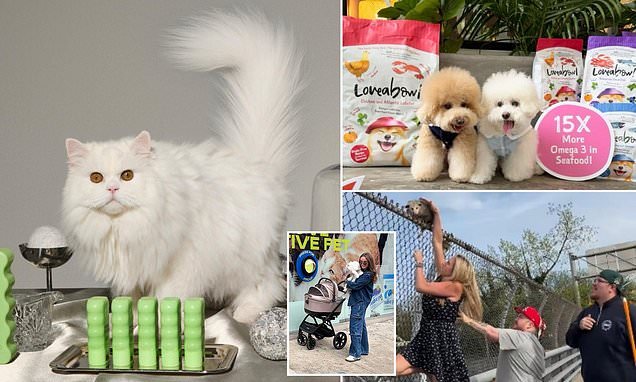
Pets with large social media followings are generating serious money for the people who manage them, with some pet influencers reportedly earning thousands of pounds for a single sponsored post. What began as affectionate photos of dogs, cats and other animals shared among friends has grown into a commercial sector in which brands pay for placement in feeds, videos and stories.
The model works much like human influencer marketing. An animal account builds an audience around its personality, daily routine or appearance, and then companies from pet food makers to toy manufacturers, accessories brands and other consumer goods firms pay to feature products. Because the animal itself is the face of the account, the appeal to followers is often emotional rather than promotional, which can make sponsored content feel less like advertising and more like a recommendation from a familiar companion.
Owners who manage these accounts treat them as professional operations. Building an audience requires regular posting, consistent visual style and engagement with followers, all of which take time and planning. The most successful accounts tend to be those with a clearly defined character, whether that is a playful dog, a photogenic cat or an unusual animal that stands out in a crowded feed. Fees are typically set according to follower numbers and the level of engagement a post receives, rather than the number of followers alone.
The growth of the sector reflects wider changes in how brands spend their marketing budgets. Many companies have shifted money away from traditional advertising towards influencer partnerships, which they see as a way of reaching specific audiences with content that appears more authentic. Pet-related products sit comfortably within this trend, as pet owners are a large and highly engaged group who often share their routines and purchasing decisions online.
The business is not without its complications. Brands must ensure that sponsored posts are clearly labelled so that followers understand when content is paid for, a requirement that applies in the United Kingdom under advertising rules that govern influencer marketing. There are also questions about the welfare of animals used in constant content production, with critics arguing that frequent filming, travel and public exposure can be stressful for pets. Account managers who promote their animals commercially have a responsibility to make sure the animals are not overworked or placed in situations that could harm them.
The rise of pet influencers also shows how quickly a hobby can become a livelihood in the digital economy. For some owners, income from sponsored work now rivals or exceeds earnings from their main jobs. For brands, animal accounts offer a route into households that is both emotionally resonant and measurable through engagement figures. As long as audiences continue to respond to animal content and companies continue to invest in influencer campaigns, the commercial pet economy is likely to keep expanding.
Source: dailymail.com
17