
Trump Says US Will Win Iran Conflict 'Very Soon' as Peace Talks Begin
President Donald Trump has rejected a seven-day ceasefire plan and told staff he expects to resume hostilities after the November midterms, even as US officials open talks with peace negotiators.
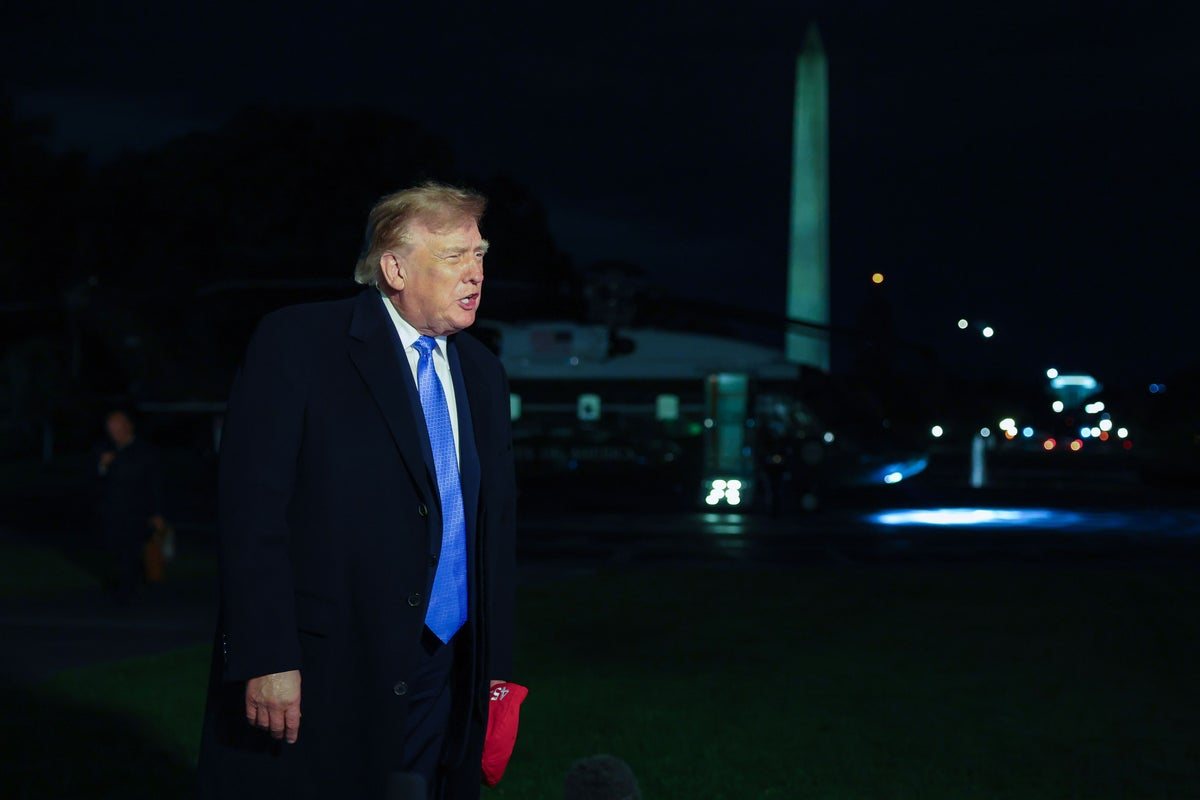
President Donald Trump has said the United States will win its conflict with Iran «very soon», even as his administration begins talks with peace negotiators. The remarks came as the White House publicly rejected a seven-day plan aimed at halting hostilities, according to officials familiar with the discussions.
Trump reportedly told staff that he expects to resume military operations after the November midterms, signalling that any diplomatic opening is likely to be short-lived. The president's comments suggest that Washington is not prepared to commit to a lasting ceasefire at this stage, despite the start of negotiations.
The development comes amid heightened tensions in the Strait of Hormuz, a critical chokepoint for global oil shipments. The waterway has been at the centre of the confrontation, with both sides trading warnings over freedom of navigation and the risk of disruption to energy supplies. Oil markets have been volatile as traders weigh the prospect of a wider conflict.
US officials have begun engaging with peace negotiators, though the exact composition of the mediating team and the venue for talks have not been disclosed. The White House has not confirmed whether the discussions are direct or indirect, or whether Iran has agreed to participate in the same format.
Trump's public rejection of the seven-day plan underscores the difficulty of securing even a temporary pause in hostilities. The plan, which would have halted strikes for a week to allow for humanitarian relief and further diplomacy, was dismissed by the president as insufficient. His reported expectation of resuming hostilities after the midterms suggests that domestic political calculations are shaping the timeline for any de-escalation.
The conflict has already had significant regional and global repercussions. Shipping in the Strait of Hormuz has been disrupted, and insurers have raised premiums for vessels transiting the area. Neighbouring states have called for restraint, while major oil importers are monitoring the situation closely.
Iran has not publicly responded to Trump's latest remarks. Tehran has previously said it would defend its territorial waters and would not bow to pressure. The lack of a direct response leaves open the possibility that back-channel communications are continuing.
Analysts note that the start of talks with peace negotiators does not necessarily indicate a shift in US strategy. The administration may be seeking to buy time or to demonstrate diplomatic effort while maintaining military pressure. The president's comments about winning «very soon» suggest that he views the conflict as winnable and is not inclined to make concessions.
The November midterms are a key factor. Trump's political allies have urged him to avoid a prolonged war that could dominate the news cycle and affect voter turnout. By indicating that hostilities could resume after the elections, the president appears to be signalling that he wants to keep his options open.
For now, the situation remains fluid. The talks with peace negotiators are at an early stage, and no breakthrough has been announced. The rejection of the seven-day plan means that any ceasefire would have to be negotiated on different terms, likely involving longer timelines and more comprehensive guarantees.
International observers are urging both sides to exercise restraint. The United Nations has called for dialogue, and European allies have offered to facilitate talks. However, the US has not indicated whether it would accept third-party mediation.
The coming weeks will be crucial in determining whether the conflict escalates further or moves towards a negotiated settlement. Trump's public stance suggests that he is in no hurry to end the confrontation, and that any diplomatic progress may be contingent on developments on the battlefield and in the domestic political arena.
3