MP and Councillors Challenge Security Response After RAF Fairford Bomb Plot Arrests
Local representatives demand answers over how suspects reached residential areas of Whelford before five men were arrested and later released on bail, as Donald Trump questions the decision.
An MP and councillors representing residents of a Gloucestershire village evacuated during a suspected terror plot have raised serious concerns about the security response, questioning how suspects were able to enter residential areas before their arrest. About 85 properties in Whelford, near RAF Fairford, were cleared on Sunday morning after five men were detained on suspicion of explosives offences.
The men were subsequently re-arrested on suspicion of terror offences and released on bail on Monday, a decision that has prompted further scrutiny from local representatives and international figures alike. The suspects are all British nationals from London and remain under police investigation.
Local representatives have expressed scepticism over the official account of events, demanding clarity on how the suspects were able to reach the village's residential streets before security forces intervened. The evacuation of Whelford residents has left the community seeking reassurance about their safety and the effectiveness of protective measures around the military base.
The arrests followed threats made by Iran, according to statements surrounding the case, adding a geopolitical dimension to what began as a local security incident. RAF Fairford, a key military installation, has long been a focal point for strategic operations, and the suspected plot has drawn attention to the vulnerabilities surrounding such sites.
The release of the five men on bail has intensified the debate. Assistant Commissioner Laurence Taylor said the suspects «absolutely remain under investigation as we explore multiple lines of enquiry», indicating that the case is far from closed despite their release.
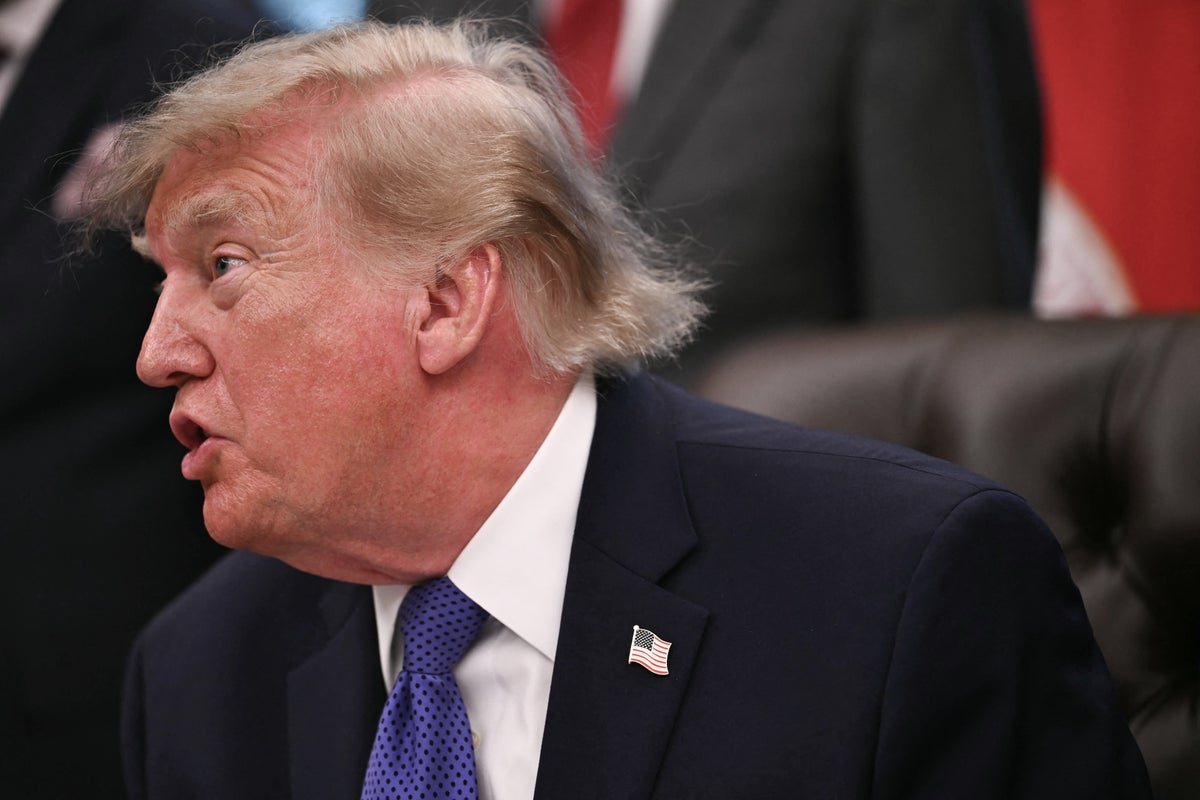
Former US President Donald Trump, speaking from the Oval Office, said he was «surprised» by the decision to release the suspects on bail, stating he would not have done so. His comments have amplified the political sensitivity of the case, though British authorities have stressed that the investigation continues.
The conflicting statements and the rapid sequence of events — arrest, re-arrest, and bail — have left residents and their representatives demanding a fuller explanation. Councillors have echoed the MP's call for answers, pointing to the disruption caused to the community and the need for transparency about the threat assessment and the operation that led to the arrests.
As the investigation proceeds, the focus remains on multiple lines of enquiry, with police yet to provide a comprehensive timeline of how the suspects were tracked and why the decision to release them on bail was taken. For the people of Whelford, the priority is understanding what happened and whether adequate measures are in place to prevent similar incidents.
5