
Healey Tells Labour Conference Welfare Bill Must Fall as 'Hope Again' Slogan Divides Party
Chancellor John Healey used his Labour conference speech to signal a return to welfare reform and a 'new age of industrialisation', as MPs privately tire of the party's relentless 'Hope Again' branding.
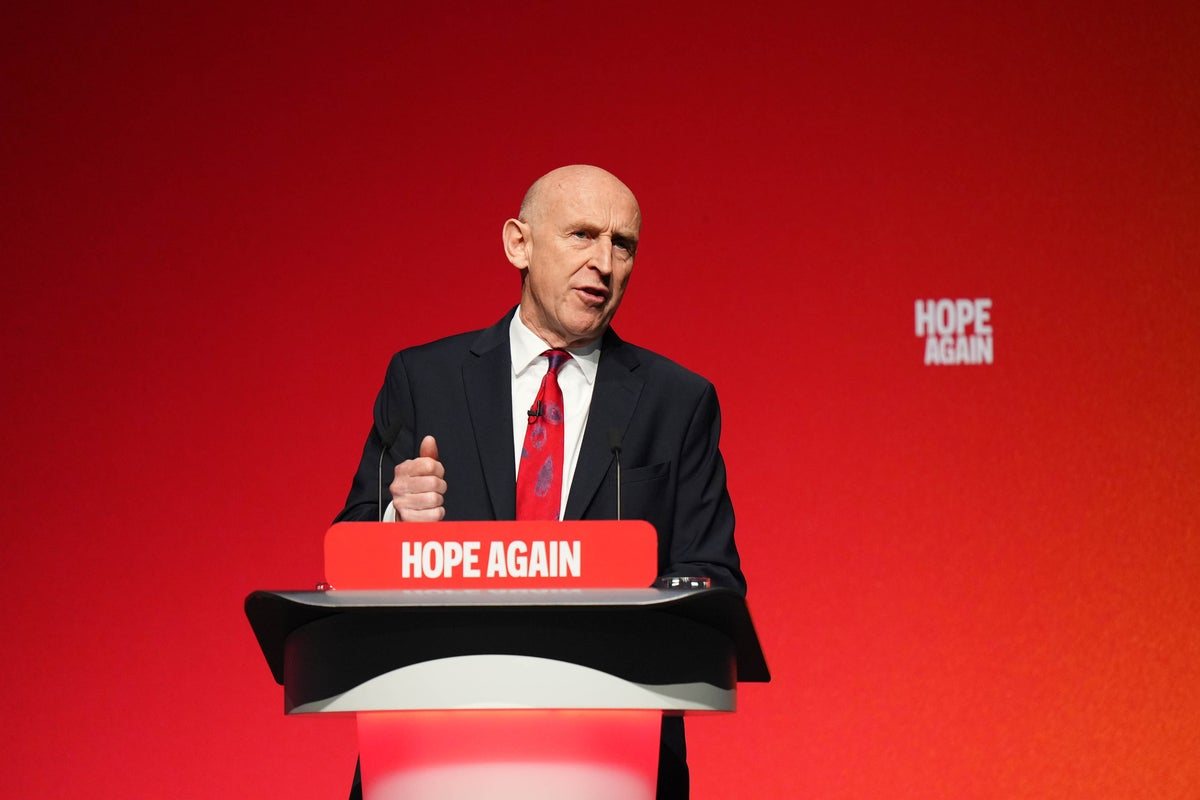
Chancellor John Healey has told the Labour party conference that the benefits bill must be brought down, describing it as neither progressive nor moral to allow welfare spending to spiral while young people remain locked out of work. In a speech intended to revive confidence in the UK economy, he set out what he called a new age of industrialisation, arguing that growth rather than dependency was the route to sustainable public finances.
The intervention marks a return to welfare reform as a central theme of Labour's economic message, and it lands at a conference where the leadership has sought to project optimism under the slogan «Hope Again». That phrase is everywhere in Liverpool — on screens in the main hall, on banners across the exhibition area, and on T-shirts, balloons and coffee mugs. But the mood among many MPs is more brittle than the branding suggests. Several are said to be visibly straining under the requirement to maintain an optimistic perma-grin, and the conference is only into its second day.
The chancellor's own tone cut against the official optimism. Where the conference apparatus offers hope, Healey offered a warning about the public finances and the cost of inaction. His argument that it is immoral to leave young people on welfare dependency positions the benefits bill as both an economic and a moral problem — a framing designed to give the government political cover for difficult decisions in the coming budget.
The «Hope Again» slogan has itself become a source of quiet irritation. Its meaning is unclear to many delegates: is it an instruction, an admission that previous hope was unsatisfactory, or an invitation to remedial classes in optimism? The phrase carries distinct echoes of Samuel Beckett's instruction to fail again and fail better, only reworked for Liverpool as hope again, hope better. For MPs who have spent the year managing expectations rather than raising them, the relentless cheerfulness risks looking like overkill.
Healey's speech to the Confederation of British Industry audience at conference was framed as an attempt to steady business confidence after a turbulent period for the government's economic credibility. The industrialisation plan is intended to show that Labour has a growth strategy beyond fiscal restraint, linking investment in domestic capacity to the wider goal of reducing the benefits bill by moving people into work.
Welfare reform is politically delicate for Labour. The party's own supporters are divided over whether tightening eligibility is a necessary response to fiscal pressure or a retreat from the principles that distinguish it from the Conservatives. Healey's language — bringing the bill down, ending dependency, protecting the young from a life on benefits — is calibrated to appeal to voters who believe the system is failing both those who pay for it and those who rely on it.
The conference continues through the week, with further speeches expected to flesh out the government's economic programme. But the gap between the official message of hope and the chancellor's warning about hard choices is likely to define how the gathering is remembered. For now, the banners stay up, the mugs keep selling, and MPs keep smiling — at least until Wednesday.
3