The 2026 Vote Will Rewire the 2028 Presidential Map
Congress is on the ballot this November, but the deeper strategic contest is over who can inherit the Republican coalition and which Democrat can prove battleground electability.
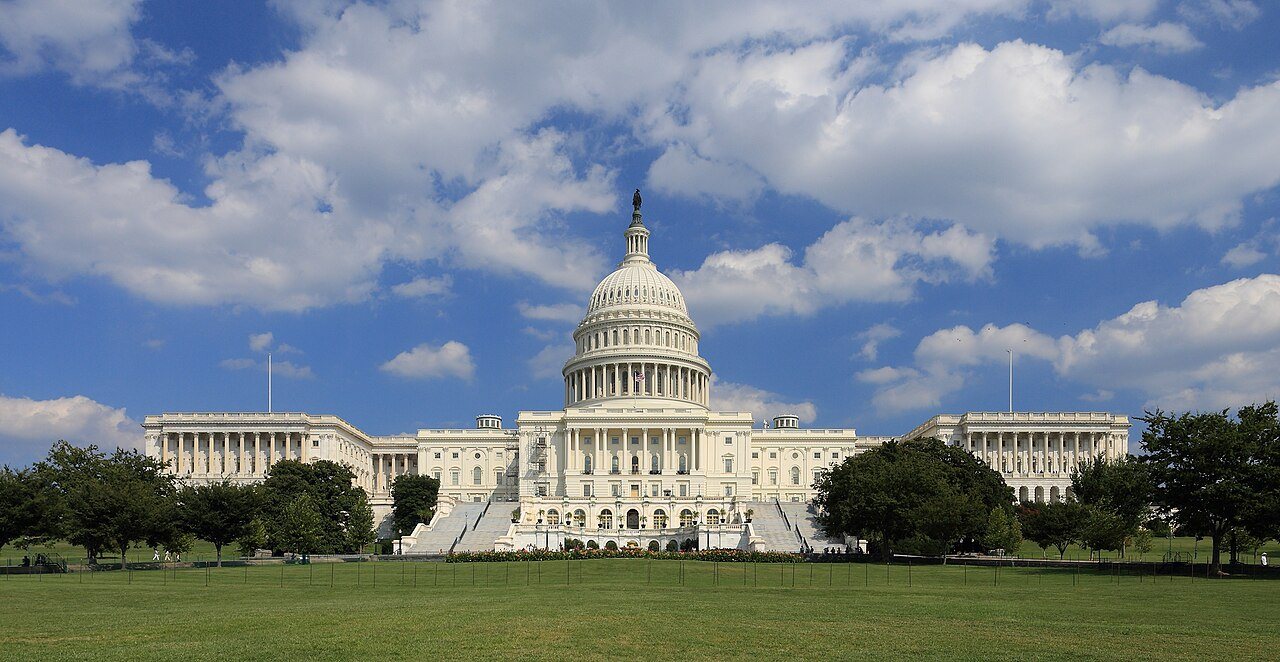
The United States will not elect a president in November 2026. Yet the midterms may be the moment when the 2028 presidential field stops being speculative and becomes a measurable competition.
The formal stakes are the entire House of Representatives and the Class II Senate seats. The strategic stakes are larger. Republicans control the federal government, Donald Trump is constitutionally barred from being elected to a third term under the rules as they stand, and both parties need evidence about what kind of coalition can succeed after him.
A new Cronkite analysis treats the emerging race as two separate gates: first, winning a party nomination; second, winning the general election. That framework explains why JD Vance can be the strongest Republican nominee-in-waiting without being an overwhelming favourite to become president.
Vance leads the RealClearPolling Republican average at 40.4%, almost 18 points ahead of Marco Rubio. He has the vice presidency, the clearest connection to Trump’s political base and a natural succession story. But Emerson’s August general-election tests show a more complex picture. Pete Buttigieg, Gavin Newsom and Jon Ossoff all led Vance, while Rubio performed better than Vance against Kamala Harris and narrowed several other Democratic margins.
The distinction creates a strategic fork for Republicans. A good midterm result strengthens the argument that the Trump coalition can be transferred intact to Vance. A poor result creates demand for adaptation, and Rubio is currently the best-positioned Republican to make that case.
Democrats face the opposite problem. They have no obvious heir. Harris leads the national primary average, Newsom is next and Buttigieg follows, but early-state polling is much less settled. Buttigieg leads in New Hampshire, and his return to South Carolina this month shows that potential candidates are already testing how to repair weaknesses from earlier campaigns.
The most consequential Democratic data may come from actual ballots rather than hypothetical 2028 polling. Jon Ossoff is defending a Senate seat in Georgia and currently leads Mike Collins in one recent survey. Josh Shapiro is seeking another term as Pennsylvania governor and leads Stacy Garrity 55%-39% in the latest Inquirer/New York Times/Siena poll. Both contests offer a simple asset: proof that a politician can win in a state a Democratic presidential nominee may need.
Gavin Newsom has a different advantage. California’s term limit means he is not running again for governor and can enter 2027 without a state re-election campaign. His national profile and fundraising network are already built. The unanswered question is whether a California record can be translated into a coalition that works in the industrial Midwest and the Sun Belt.
The midterms will therefore allocate more than congressional seats. They will allocate political credibility. A candidate who survives a hostile environment in Georgia or wins convincingly in Pennsylvania acquires evidence. A vice president who helps his party outperform expectations acquires inheritance. A party that loses badly acquires an incentive to change direction.
That is why 3 November should be read as the first major routing event of the 2028 cycle. The presidential campaign will not formally begin that night. The viable paths to it will.
65