
Console Sales Hit New Lows as AI Data Centres Drive Up Memory Prices
US console hardware sales have fallen to levels not seen since the early 1980s, according to analyst Mat Piscatella, as AI data centres consume memory components and push up the cost of PlayStation 5 and Xbox Series X/S consoles.
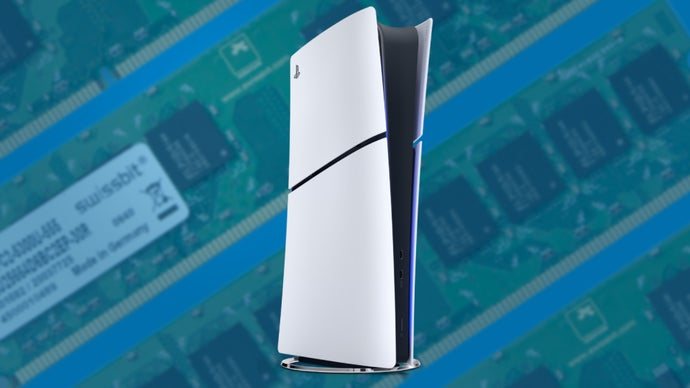
US sales of PlayStation and Xbox consoles have dropped to their weakest point in more than four decades, according to the analyst Mat Piscatella, who warned that the American hardware market has not been in such a precarious position since the early 1980s. That earlier period coincided with the North American video game crash, a collapse that reshaped the industry and wiped out a generation of console makers.
The immediate cause of the current squeeze is the rising cost of memory components. AI data centres have been absorbing supplies of the chips used in consoles, driving up prices for manufacturers and, in turn, for consumers. As a result, the PlayStation 5 and Xbox Series X/S are now more expensive than ever in most markets, reversing the usual pattern in which console hardware becomes cheaper as a generation matures.
Piscatella's warning focuses on the United States, where the combination of high prices and weak demand has left the hardware sector in a position it has not occupied for roughly forty years. The early 1980s comparison is a pointed one for the games industry: that era ended with retailers clearing shelves of unsold consoles and publishers collapsing, before Nintendo and others rebuilt the market on new terms.
The current situation is different in important respects. The global console business is far larger and more diversified than it was in 1983, and both Sony and Microsoft have built revenue streams around subscriptions, digital storefronts and services that do not depend solely on selling boxes. Even so, the hardware figures matter because consoles remain the entry point for the wider ecosystem, and a sustained slump in sales can ripple through software, accessories and online spending.
Memory prices have become a broader pressure point across the technology sector. The expansion of AI infrastructure has created intense competition for components, and consumer electronics manufacturers are among those feeling the effects. For console makers, that means either absorbing higher costs, passing them on to buyers, or adjusting production plans. All three options carry risks in a market where demand is already soft.
The analyst's comments suggest that the problem is not simply one of consumer appetite but of structural cost pressure. If memory remains expensive because of AI demand, the traditional console pricing curve may stay broken for longer than expected. That would leave Sony and Microsoft with difficult choices about how aggressively to discount, bundle or redesign their hardware.
For now, the US market is the focal point of the concern. A hardware slump at this stage of the console cycle would be unusual, since the PlayStation 5 and Xbox Series X/S are still the current generation machines. The fact that sales are reaching new lows despite that position underlines how much the cost environment has changed.
The early 1980s reference is not a prediction of imminent collapse, but it is a measure of how seriously analysts are treating the trend. The console business has weathered downturns before, and both platform holders have deep reserves of software and services revenue. Whether that is enough to offset a prolonged hardware squeeze is the question now hanging over the market.
5