
US sanctions ICC as former judge Navi Pillay wins Nobel Peace Prize
Washington imposes sweeping sanctions on the International Criminal Court, calling it a «rogue court», hours after former ICC judge Navi Pillay receives the Nobel Peace Prize for promoting international law.
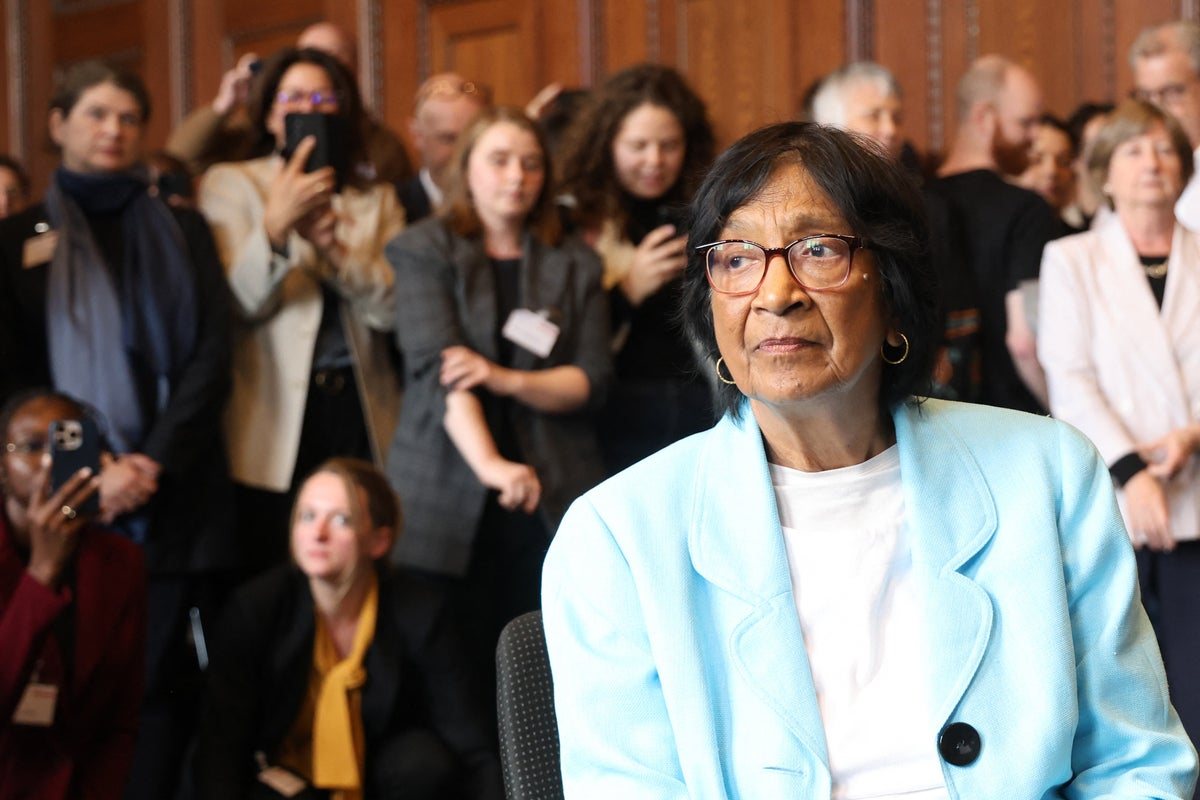
The United States has imposed sweeping sanctions on the International Criminal Court, with Secretary of State Marco Rubio declaring that President Donald Trump will «never allow» the tribunal to prosecute Americans. The move, announced hours after a former ICC judge won the Nobel Peace Prize, has drawn sharp criticism from key US allies and deepened a growing rift over international justice.
Rubio branded the ICC a «rogue court» as he unveiled the measures, which target the institution and its personnel. The sanctions represent an escalation of Washington's long-standing opposition to the court's jurisdiction over American citizens, particularly in relation to investigations involving US military personnel and officials.
The timing of the announcement placed the sanctions in stark relief against the Nobel Committee's decision to honour Navi Pillay, the South African former UN human rights chief who currently serves as a judge at the International Court of Justice. Pillay, who previously served as a judge at the ICC, was recognised for her work promoting international law and accountability.
The Norwegian Nobel Committee said Pillay had «shown that legal measures can help prevent acts of war and violence». Her career includes chairing a UN commission that concluded Israel was guilty of genocide in Gaza — a finding that has been fiercely contested and which underscores the politically charged nature of international legal institutions.
The sanctions have provoked a rare public rebuke from America's closest allies. The remaining G7 nations — the United Kingdom, Canada, France, Germany, Italy and Japan — along with Denmark and the Netherlands, issued a joint statement expressing regret and strong disagreement with the US measures.
The allies said they «regret and strongly disagree with» the sanctions on the International Criminal Court, signalling a coordinated pushback against Washington's approach. The statement reflects mounting concern among Western governments that targeting the ICC could undermine the broader system of international justice at a time when accountability for war crimes and atrocities is already under strain.
The ICC, based in The Hague, was established by the Rome Statute to prosecute individuals for genocide, crimes against humanity, war crimes and crimes of aggression. The United States has never been a party to the statute, but previous administrations had largely tolerated the court's work, even as they opposed any assertion of jurisdiction over American nationals.
The Trump administration's decision to impose sanctions marks a significant departure from that uneasy coexistence. By directly targeting the court and its staff, Washington risks alienating allies who view the ICC as an essential pillar of the rules-based international order.
For the court itself, the sanctions pose practical challenges. They could restrict the ability of ICC officials to travel, access financial systems or cooperate with international partners. The measures may also deter cooperation from countries that fear US retaliation, potentially hampering ongoing investigations and prosecutions.
The juxtaposition of the sanctions with Pillay's Nobel award has amplified the symbolic weight of the moment. While the Nobel Committee celebrated legal measures as tools for peace, Washington simultaneously moved to weaken the very institution Pillay once served.
The joint statement from the UK and other allies suggests the sanctions will become a point of friction in transatlantic relations. It remains unclear whether the measures will be expanded or whether diplomatic pressure could lead to a reconsideration. For now, the ICC finds itself caught between its mandate to pursue accountability and the geopolitical power of a superpower determined to shield its citizens from its reach.
5