
UN Condemns US Plan to Livestream Firing Squad Execution of Fort Hood Shooter
The United Nations says the planned public execution of Nidal Hasan by firing squad would amount to torture, as UK minister Bridget Phillipson calls the decision disturbing and JD Vance says he will not watch the livestream.
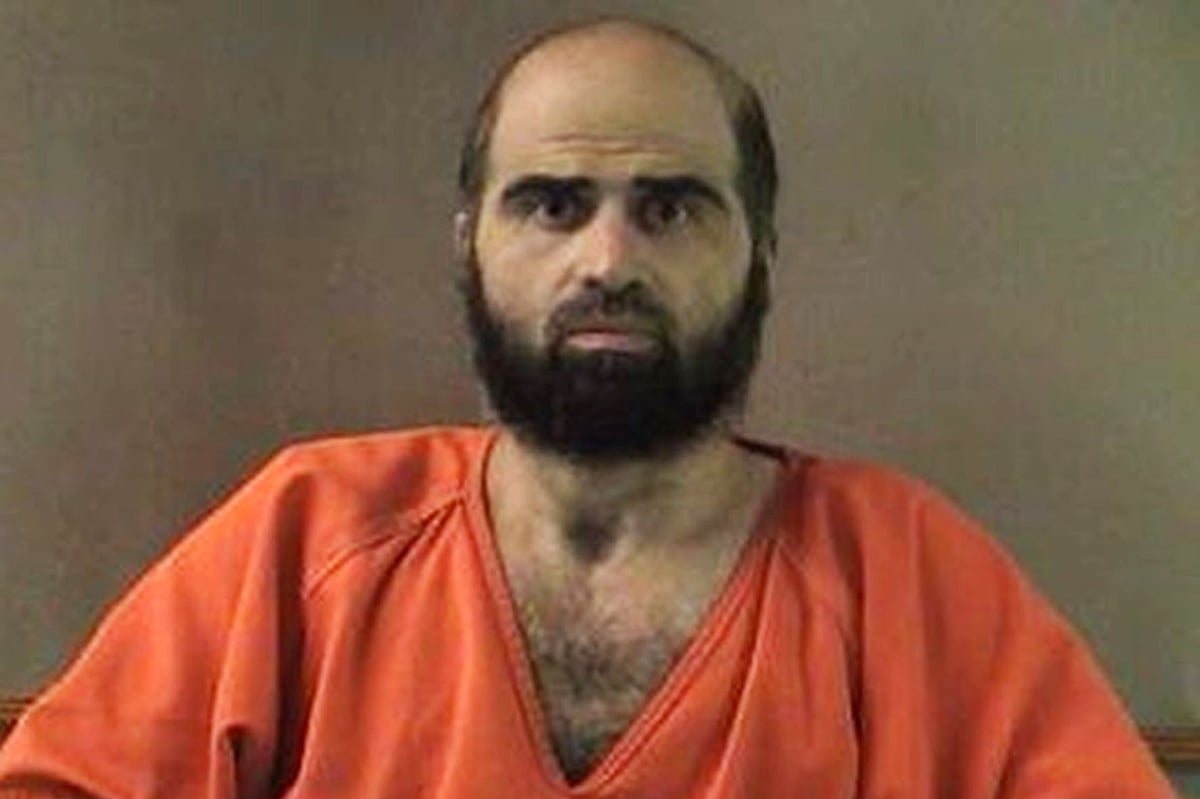
The United Nations has condemned a US decision to livestream the execution by firing squad of Nidal Hasan, the former army psychiatrist convicted of killing 13 people at a military base in Texas in 2009. The UN said the public broadcast of the killing would amount to torture, adding its voice to a growing international outcry.
US Defence Secretary Pete Hegseth has said the execution will be a public event, a move that has drawn widespread criticism from human rights advocates, foreign governments and political figures. The UN's intervention marks one of the most significant objections to the plan, which would see a US military execution broadcast to the public for the first time in decades.
Hasan was sentenced to death after the shooting at Fort Hood, now known as Fort Cavazos, in which 13 people were killed and 32 others were injured. He was convicted of the attack on the military base, which remains one of the deadliest mass shootings on a US military installation.
The decision to carry out the execution by firing squad and to allow it to be viewed publicly has prompted criticism from across the Atlantic. UK government minister Bridget Phillipson described the plan as disturbing, reflecting unease among British officials about the precedent it would set.
American armed forces have not carried out an execution by firing squad since World War II, according to available records, making the planned procedure highly unusual in modern US military justice. The method itself, along with the decision to livestream it, has intensified the debate over capital punishment and the role of public exposure in state killings.
Vice-President JD Vance has cast doubt on the livestream going ahead and said he will not watch the killing. His comments suggest that even within the US administration there is hesitation about the public broadcast, though Hegseth has continued to frame the execution as a public event.
The case has drawn attention from capital punishment specialists. Austin Sarat, a US academic and author of Life After Death: Surviving Execution, has spoken about the implications of the decision, which raises questions about the treatment of those sentenced to death and the psychological impact of public executions on victims' families, witnesses and the wider public.
The UN's statement that the livestream would amount to torture reflects long-standing international legal concerns that public and prolonged executions can constitute cruel, inhuman or degrading treatment. The organisation has repeatedly urged states to move away from capital punishment, and its intervention in this case places the US plan under global scrutiny.
For the families of those killed and injured at Fort Hood, the renewed attention brings back the events of 2009, when Hasan opened fire at the base. The shooting shocked the US military and led to reviews of security and threat assessment procedures on military installations.
The execution is expected to proceed under military jurisdiction, with the livestream making it accessible to a global audience. Critics argue that broadcasting a killing serves no legitimate public interest and risks normalising state violence, while supporters of the decision present it as a matter of transparency and accountability.
The dispute has become a diplomatic as well as a legal question, with the UN and a British minister both weighing in. How the US proceeds will be watched closely by governments and human rights organisations, particularly given the rarity of firing squad executions in the American military system since the Second World War.
3