
Trump Announces Deal for Russian Diesel as Fuel Prices Dominate Midterm Run-Up
President Donald Trump says Russia will immediately supply 300,000 tons of diesel to the United States, with millions more to follow, in a reversal of US pressure on Moscow that Kyiv warns will be repaid with terror.
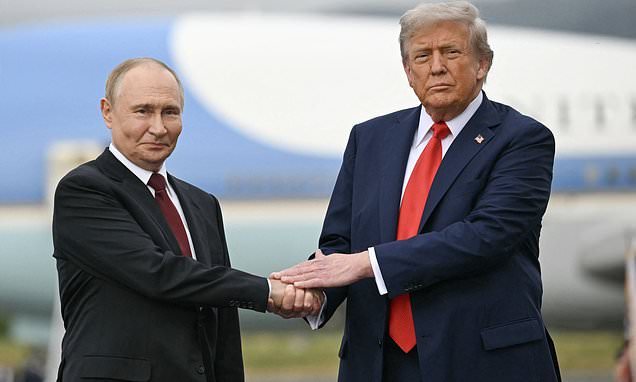
President Donald Trump has announced an agreement with Vladimir Putin under which Russia will immediately supply the United States with 300,000 tons of diesel, with millions more to follow, in a striking reversal of Washington's pressure on Moscow over its war with Ukraine.
The move is aimed squarely at soaring fuel costs that have become a central political vulnerability for the White House ahead of the midterm elections. Americans have seen petrol and diesel prices climb sharply, and the administration is under pressure to deliver visible relief at the pump before voters go to the polls.
Trump presented the arrangement as an immediate injection of supply. According to his account, the first 300,000 tons will arrive without delay, and further shipments running into millions of tons are expected to follow. The scale of the commitment, if delivered, would mark one of the largest single energy flows from Russia to the United States in recent years.
The deal represents a significant shift in the US posture towards Moscow. Washington had spent years leading efforts to isolate Russia economically and to squeeze its energy revenues in response to the invasion of Ukraine. By turning to Russian diesel to cool domestic prices, the administration is effectively prioritising short-term consumer relief over the sanctions architecture it helped build.
The political timing is difficult to ignore. Fuel costs have emerged as one of the most tangible measures by which households judge the economy, and they carry outsized weight in midterm campaigns. A visible drop in diesel prices would ease costs across transport, farming, haulage and retail supply chains, offering the administration a concrete economic talking point.
But the announcement has drawn immediate criticism from Ukraine and its supporters. President Volodymyr Zelensky said the arrangement amounted to a gift to Putin that would be repaid with terror, framing the diesel flow as a reward for a leader whose forces continue to strike Ukrainian cities. His warning reflects a broader fear in Kyiv that Western resolve is eroding as the war grinds on.
Ukrainian negotiators travelled to the United States for talks with their American counterparts, with the diesel agreement now certain to feature in those discussions. Kyiv has consistently argued that any easing of economic pressure on Moscow undermines its battlefield position and strengthens Russia's ability to sustain its war effort.
The agreement also raises practical questions about logistics, pricing and the durability of the arrangement. Delivering 300,000 tons of diesel requires tanker capacity, port access and commercial terms that have not been publicly detailed. Whether the shipments materialise at the promised pace, and whether they translate into lower prices for American consumers, will determine the deal's political value.
For European allies, the development is awkward. European governments have spent years reducing their own dependence on Russian energy, often at considerable cost to households and industry. A US pivot back towards Russian fuel supplies complicates that collective effort and could weaken the unity that has underpinned sanctions policy.
Russia, for its part, gains both revenue and a measure of legitimacy from the arrangement. Any large-scale energy trade with the United States undercuts the narrative that Moscow has been economically isolated, and it gives the Kremlin a new point of leverage in its relations with Washington.
The White House has not set out how the diesel will be distributed or whether the volumes will be sufficient to move national prices meaningfully. Energy analysts caution that a single shipment, however large, may have limited effect on a market as vast as the United States, particularly if global crude and refining dynamics remain tight.
What is clear is that the announcement ties energy policy directly to electoral strategy. Trump has made cheaper fuel a headline promise, and the Russian diesel deal is now the most concrete expression of that pledge. Its success will be measured not in diplomatic language but in prices at the pump between now and polling day.
8